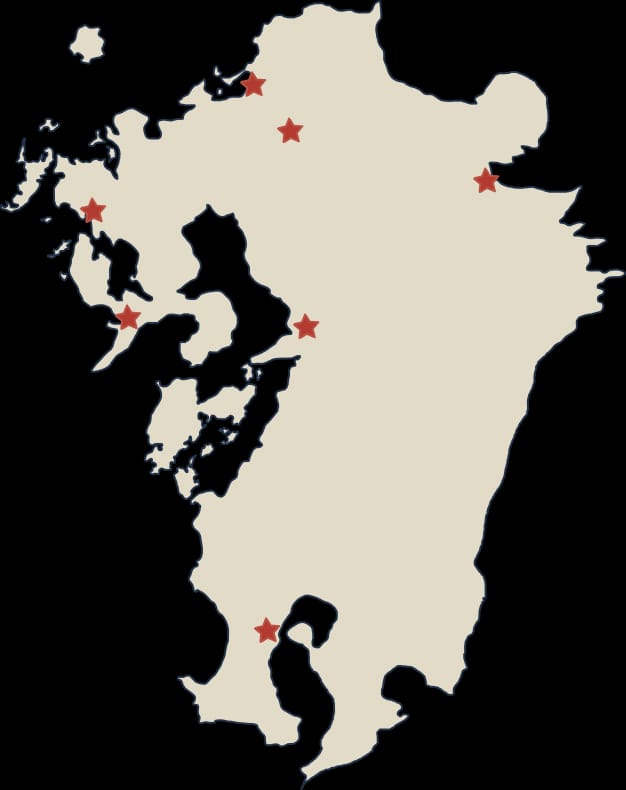
Kyushu is one of the four main islands of Japan, and the third largest. And that is the end of my geography lesson, because that is all I knew when I planned this trip.
There's also a much less geographical reason I ended up choosing Kyushu over anywhere else, and it doesn't fully make sense until a random port town called Sasebo shows up much later in this post. I'll let it unfold in order rather than spoil it here.
This blog contains skippable parts too, that are collapsed under an accordion. Feel free to skip them, or read them if they interest you or you like the longer version of things.
Planning phase
Fukuoka, the city of flowers
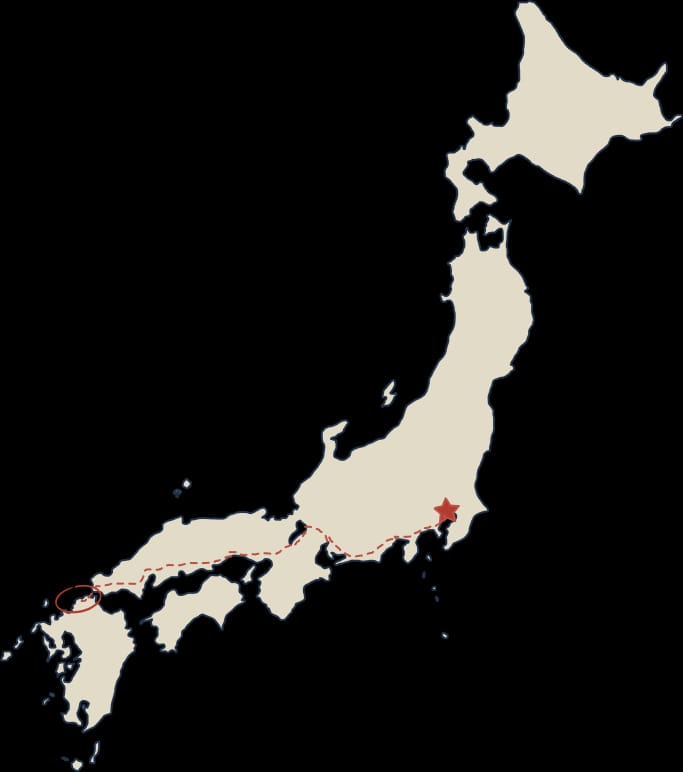
It didn't take long for me to realize that "trips" are for people who are comfortable waking up early. So naturally, I pulled off an all-nighter. I just packed a backpack, and headed towards the station. After reaching Tokyo station, I first bought a Bento box, and then headed straight to the platform. The train arrived at around 9, and I boarded it. From there, my destination was 5 hours away, and so I had a lot of time in hand to sleep, contemplate life, read a book, or get bored. I decided to take turns doing all of these.
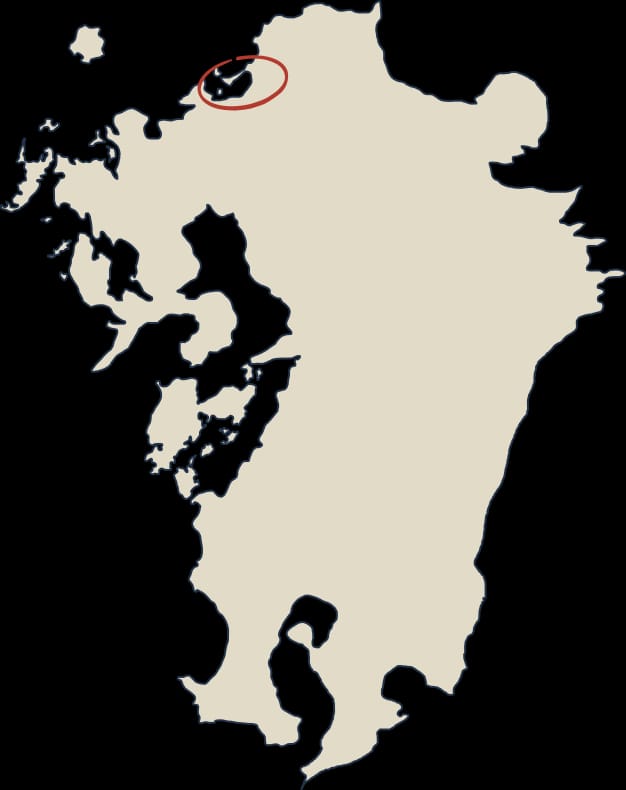
5 hours later, I was in Fukuoka, the first stop of the trip. It was a cloudy day in Fukuoka, so it was easy to walk around. Since I had some time before checking in, I went to the Apple Store to buy a MacBook Neo as a lightweight, travel-friendly laptop to manage my pics during the trip. As always, the Apple Store was crowded, but thankfully I was able to make a purchase quickly. Then I made my way to my hotel to check in, and then headed to my first destination.
Fukuoka castle ruins
A small 10 to 15 minutes away was the site of ruins of Fukuoka castle. My first reaction was that it did not fit the image of ruins at all. It looked to be in pretty good shape. But as I entered, I started seeing restoration works, and was then convinced that indeed that was a ruin. Inside, were a lot of stone structures that would have been the walls of the castle. Despite it being the golden week, there weren't many people, which was ideal for just walking around and enjoying the weather and the views.
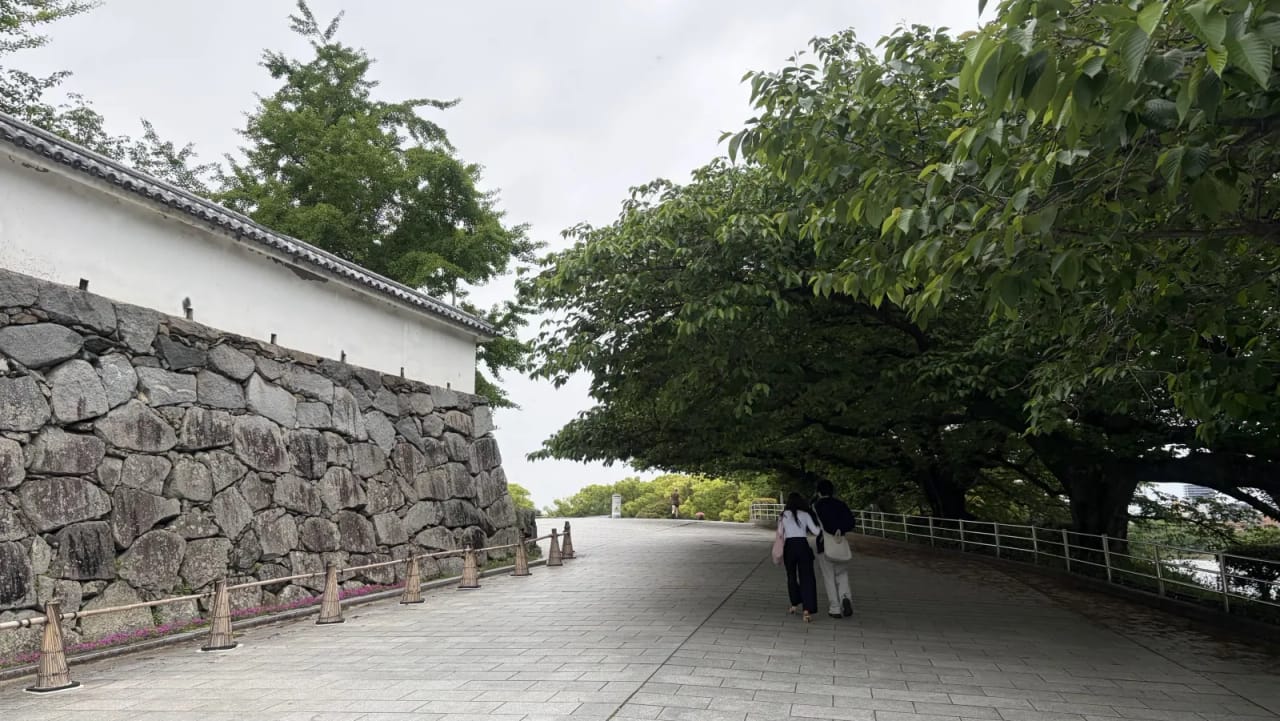
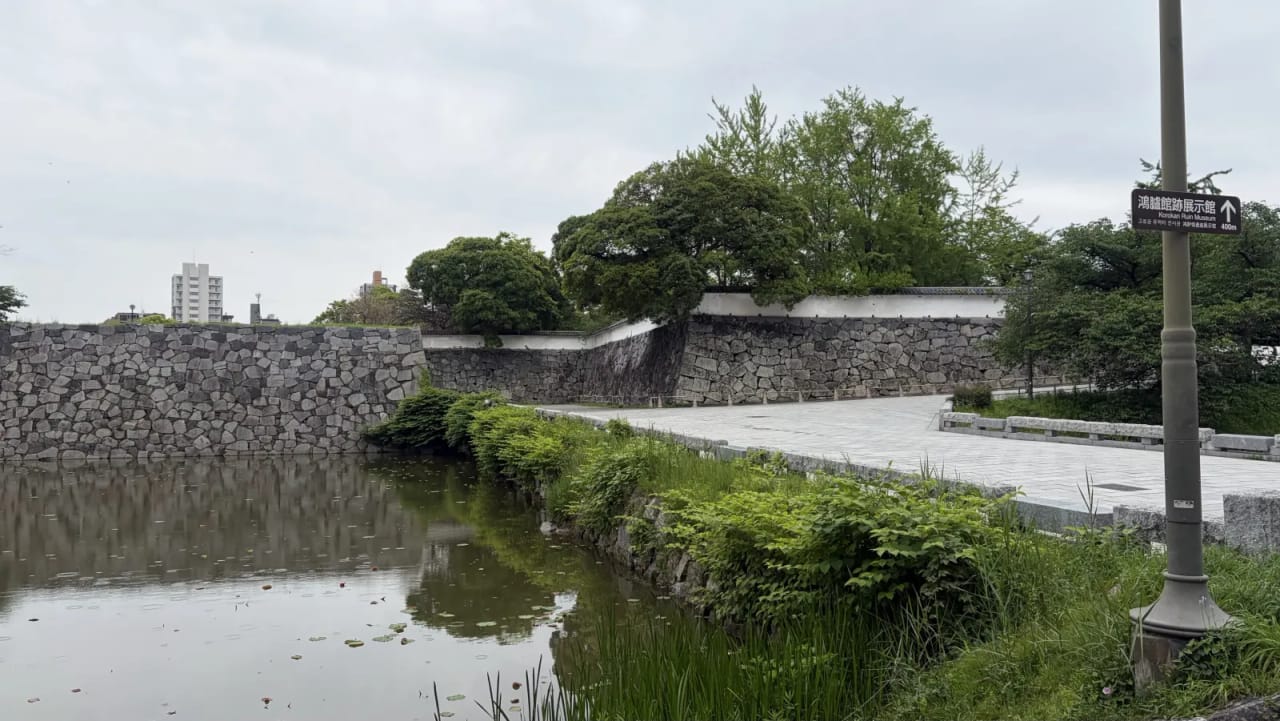
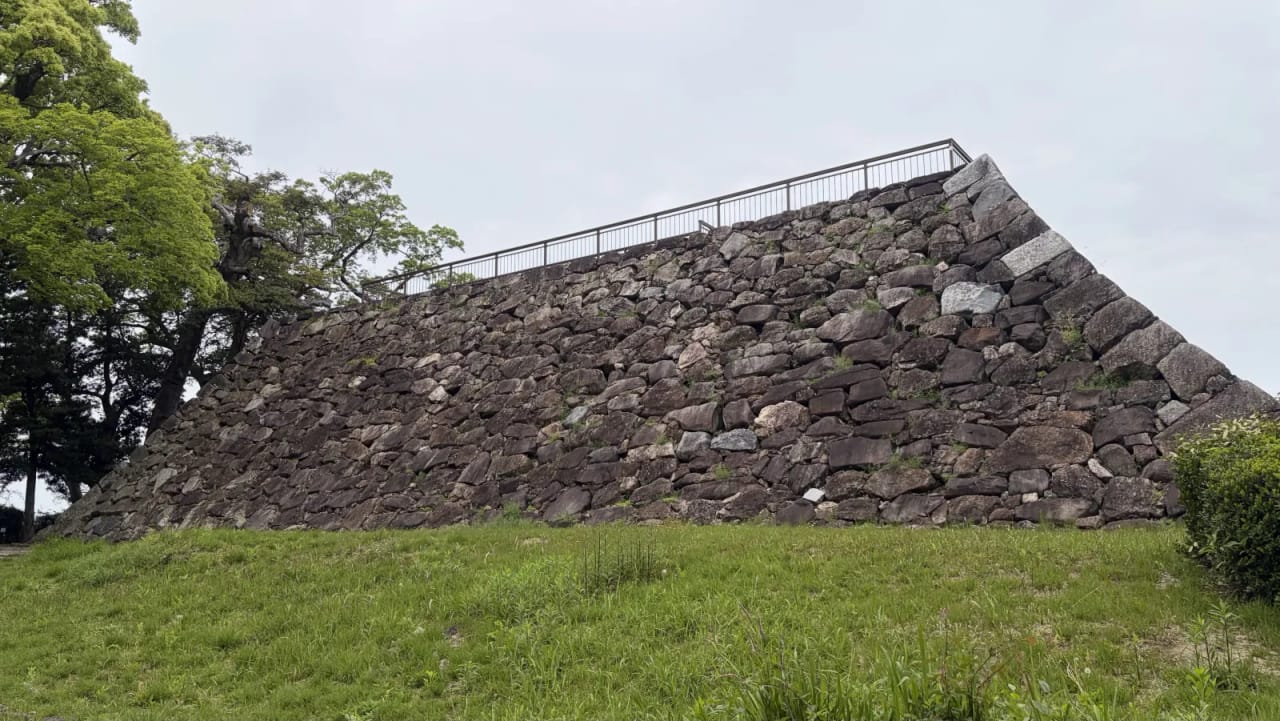
There was a stone sundial and small parks within too. The "main" ruin site was sealed off because of the ongoing restoration works. There was a high spot there from where the city skyline was visible.
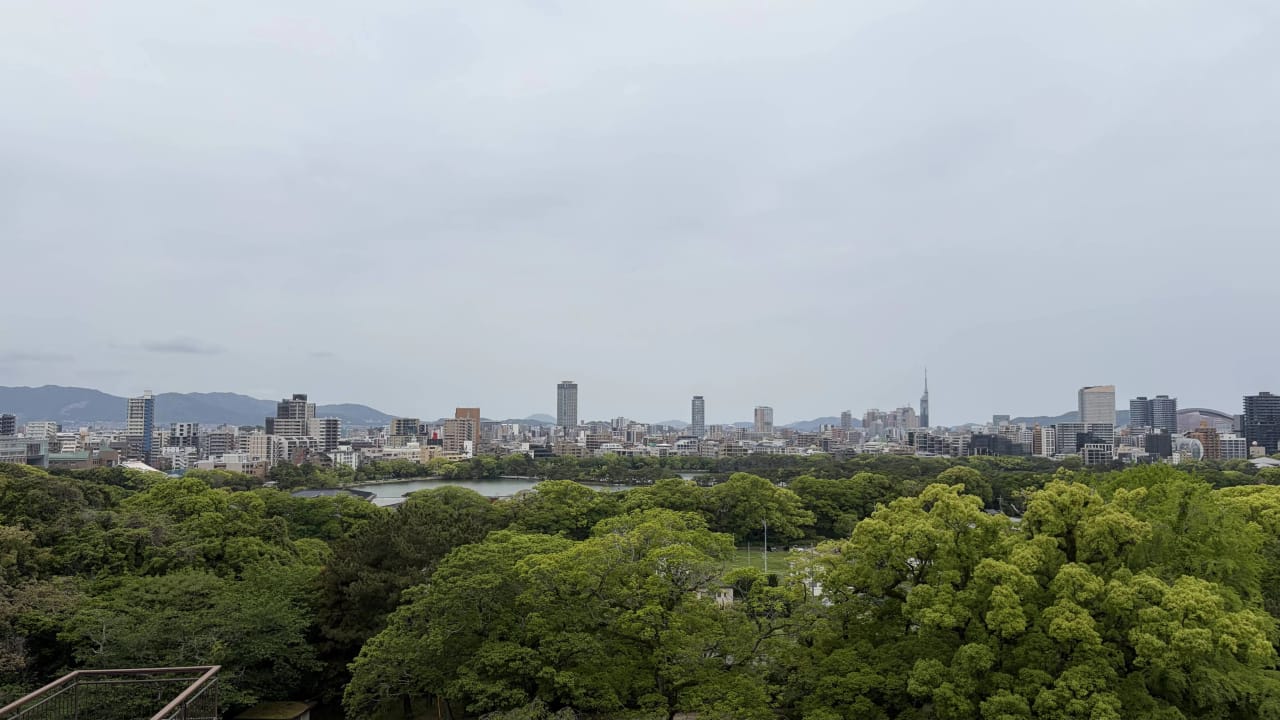
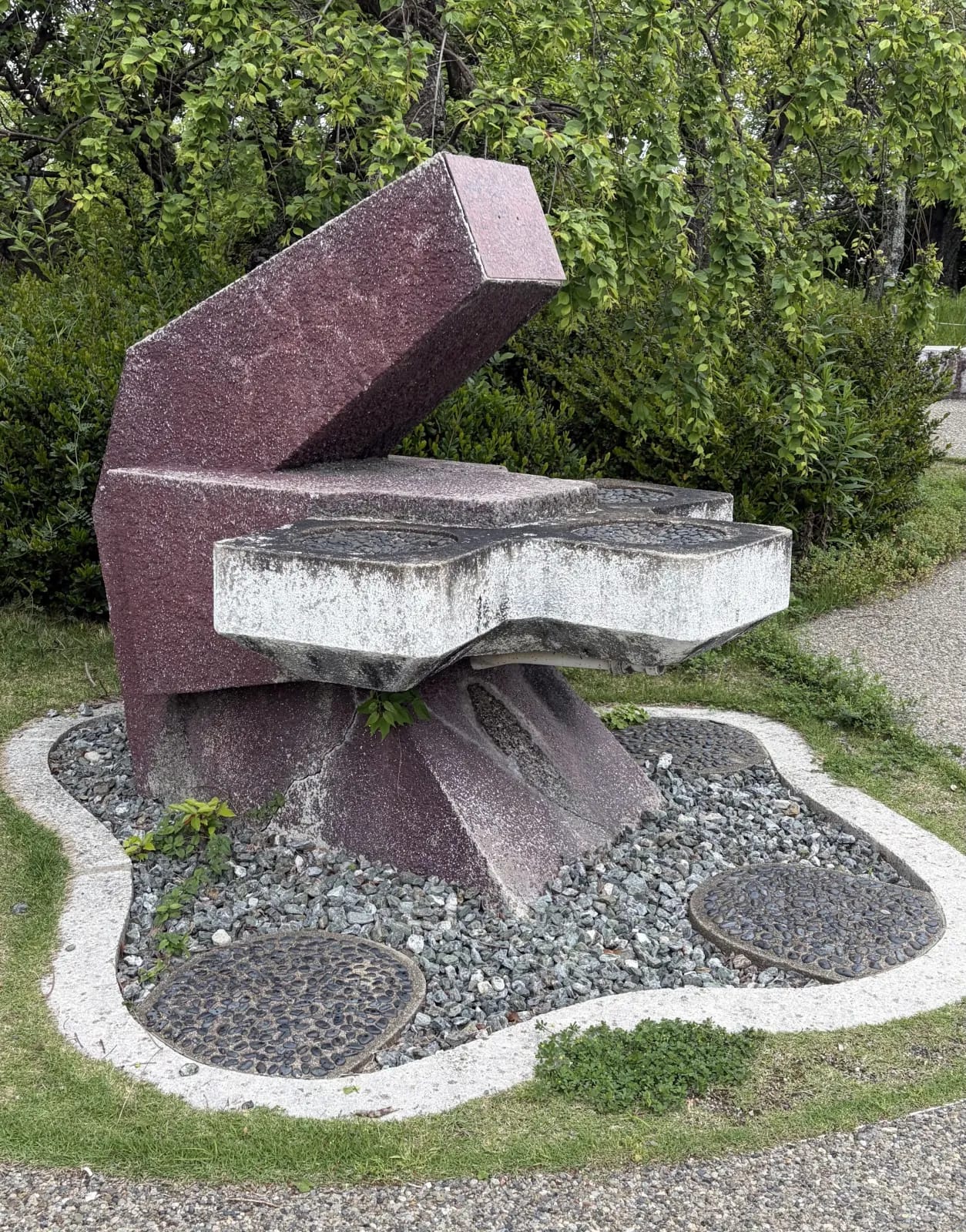
It was a relaxing view to take in. There were some flower gardens, and an artillery area as well. As I finished my walk, and headed towards the next area, I noticed a lot of flowers everywhere. This area was Maizuru Park, and it was a very charming place to sit and relax after all the walking. There was also a baseball field right next to the ruins, and there were kids practicing!
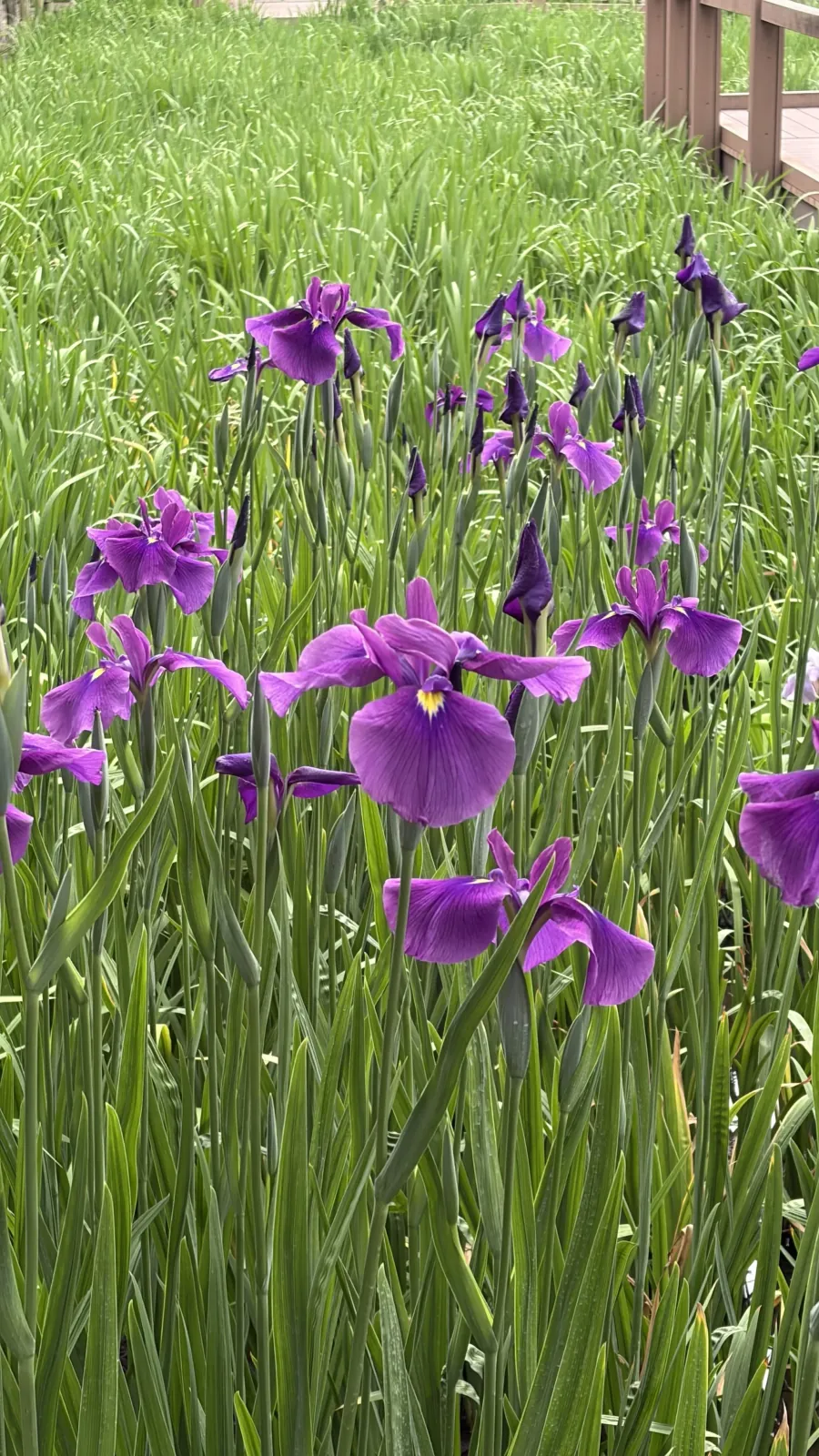
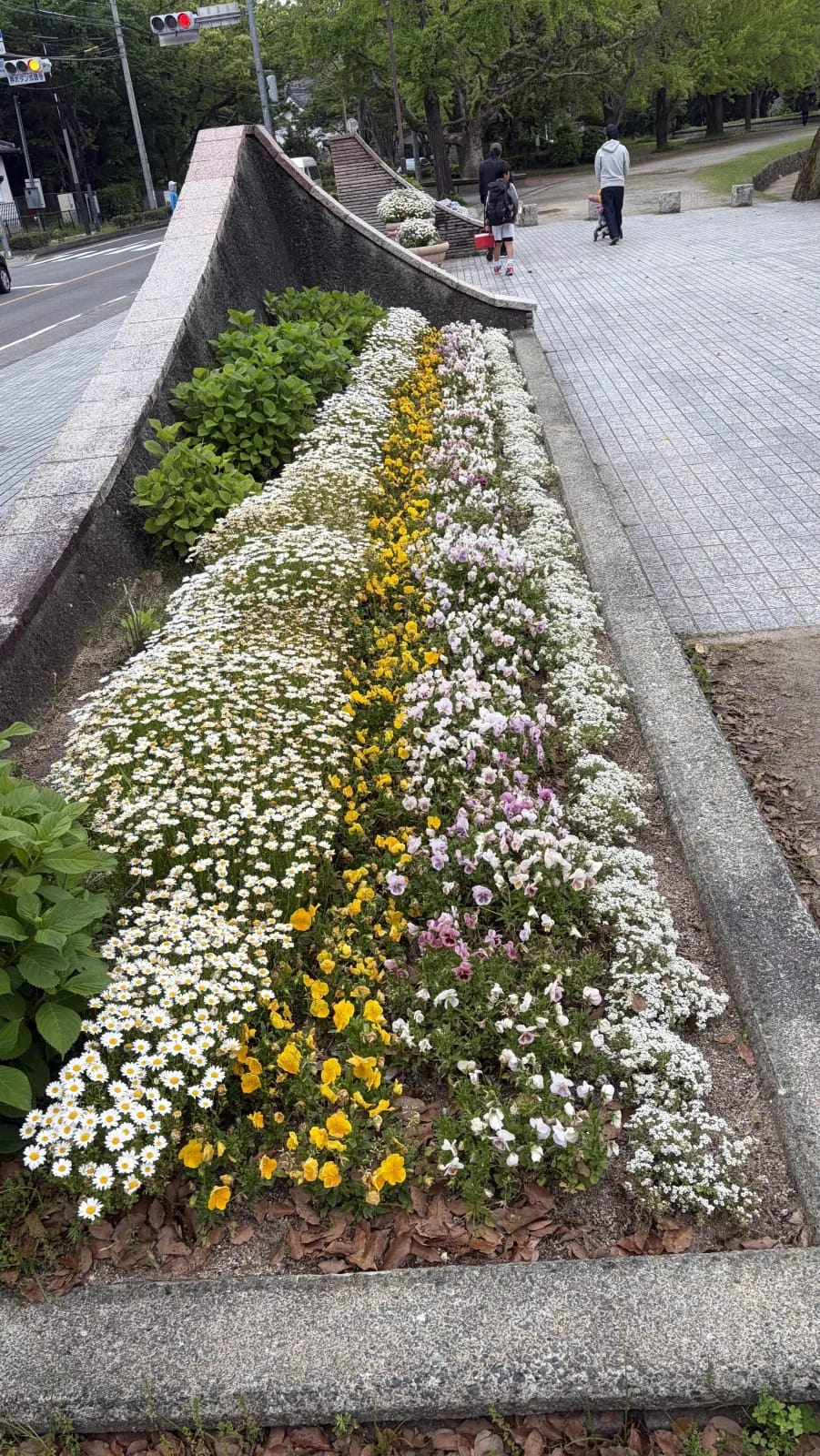
Flowers all around
Wherever you see, you may see a flower pot in this city. It was really beautiful. If you are someone who likes flowers, you'll love this city. And if you're someone who doesn't, then also there is a chance that its beauty will make you appreciate all the effort that goes into planting in general.
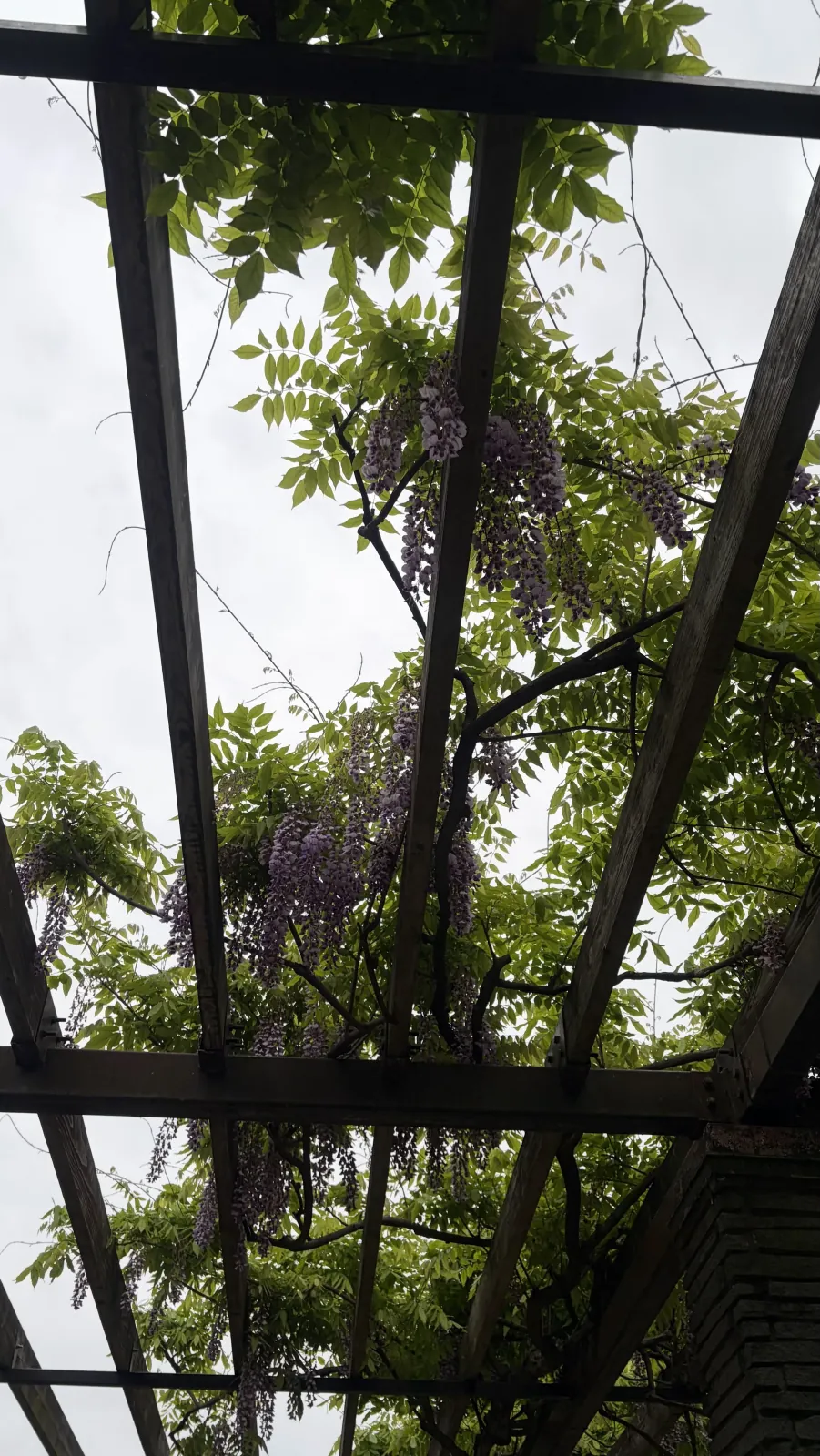
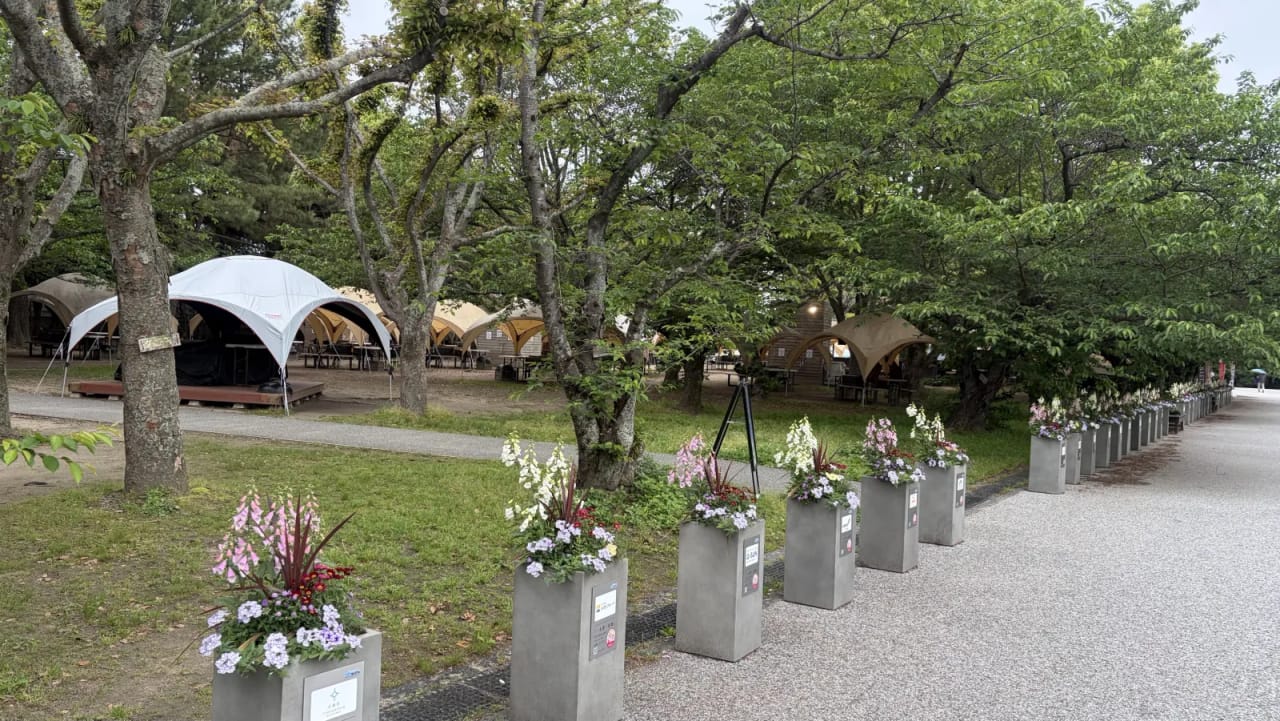
After I was done with Fukuoka castle, I went across the street to Ohori Park, which was equally beautiful with all the wisteria in its entrance. It was a huge park with lots of flowers, a massive lawn area, and a dedicated barbecue section. Attached to the park was a massive lake, with a jogging path around it. There were several boats in the lake too. The whole park area was a great place for families and friends to chill and enjoy.
Hakata Ramen and chill
As it grew dark, I returned to my hotel room, to get changed and head out to have dinner. Fukuoka is famous for its Hakata ramen. I went to a nearby small restaurant called Misogura Fukubee to have a bowl. After taking the ticket, I waited in queue, which wasn't that long and kind of expected in a small restaurant like this. When it was my turn, I was welcomed in. The ramen was delicious, and the broth tasted amazing too. The owner also talked to me about different things, like interests, home country, travel, etc. It was a really refreshing talk after all the times I messed up my conversation during the day.
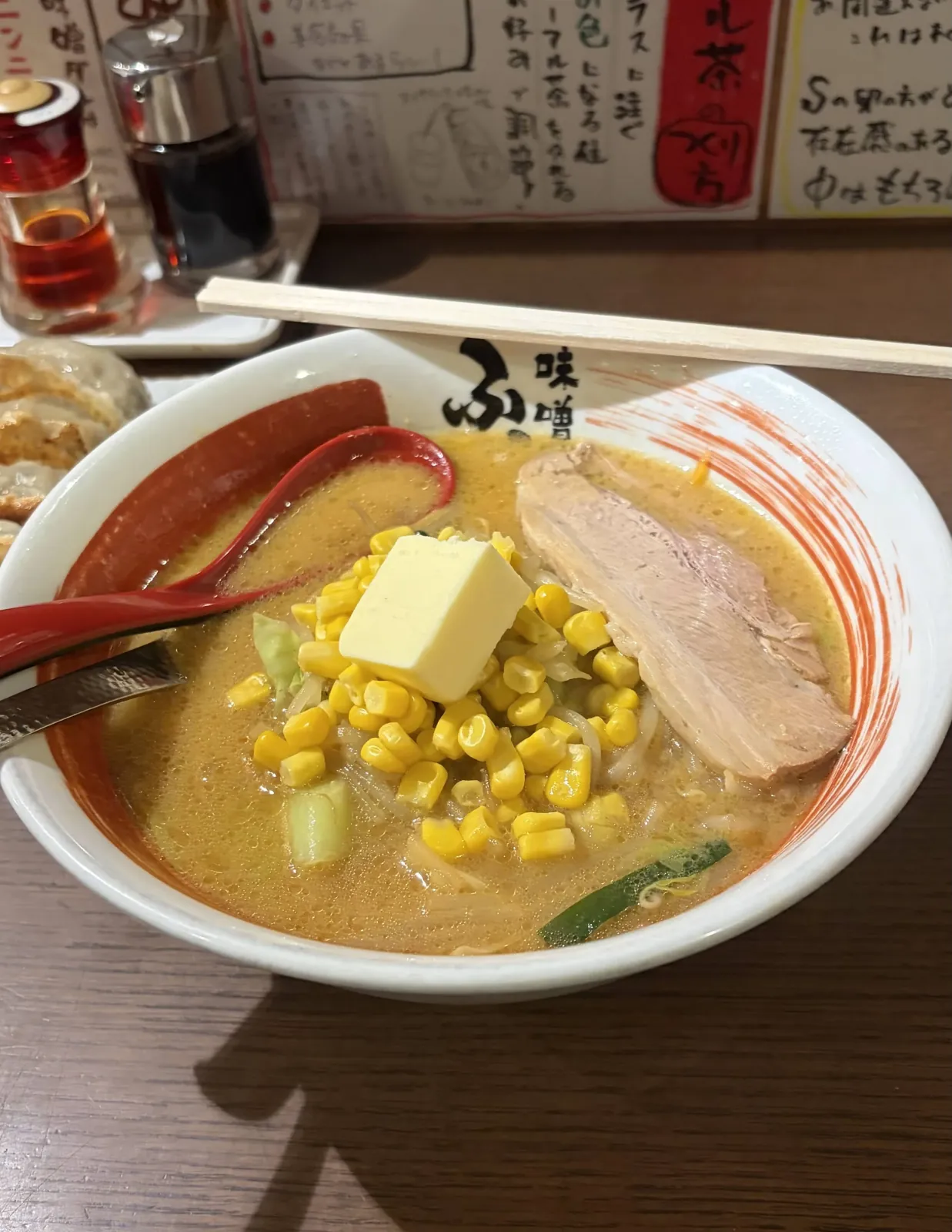
I ended my day 1 with a stroll around the area, and then sleeping early to recover from my sleep-deprived state.
Uminonakamichi Seaside Park
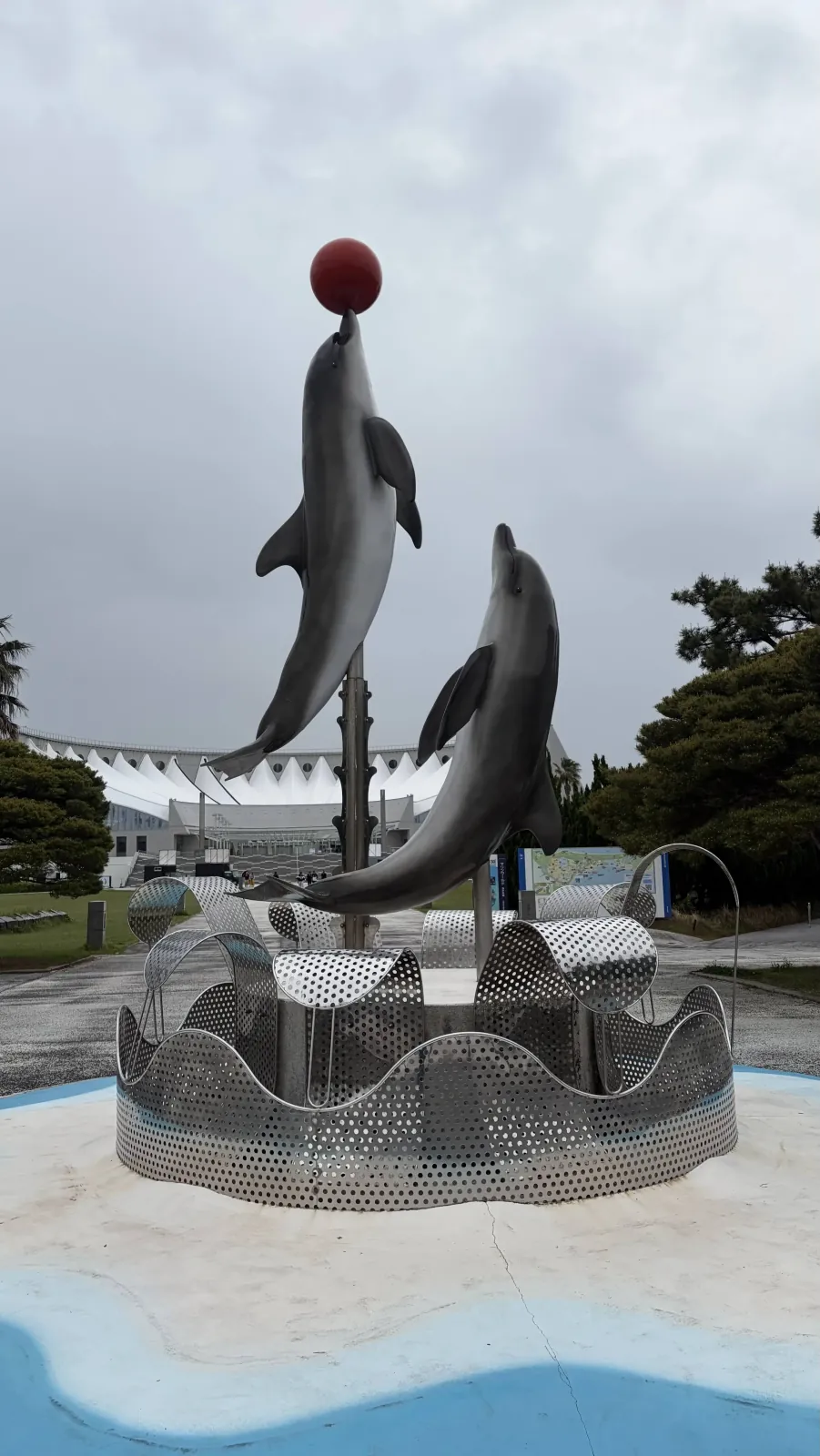
My day 2 started with my plan to go to Uminonakamichi Seaside Park. I had the option of taking a 20 minutes ferry, or a 75 minutes train. Getting there was a decently long train ride, but there were great views. After around 90 minutes of travel, I was there. Having not researched everything beforehand, I was faced with the choice to either take left or right from the station. I took right, and after walking for 5 minutes I was there, the Marine world in Uminonakamichi Seaside Park. The weather was cloudy, almost rainy, but there was a cool breeze that felt just right.
Marine world
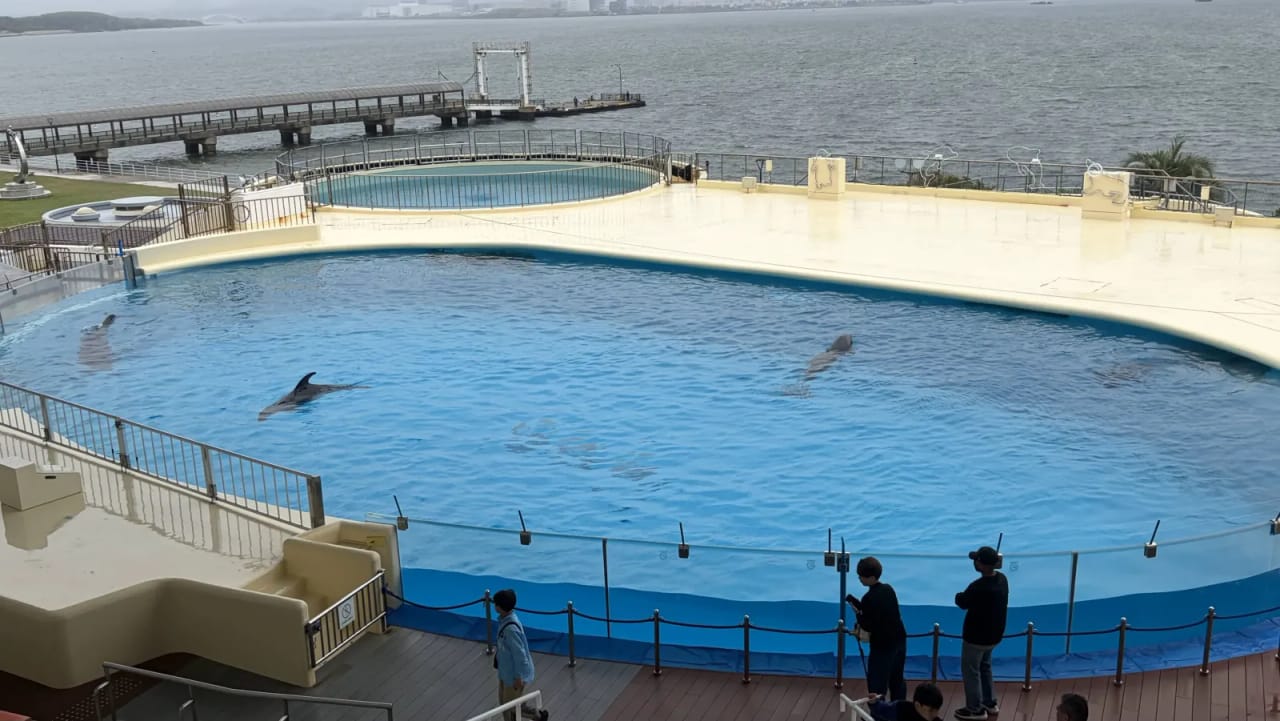
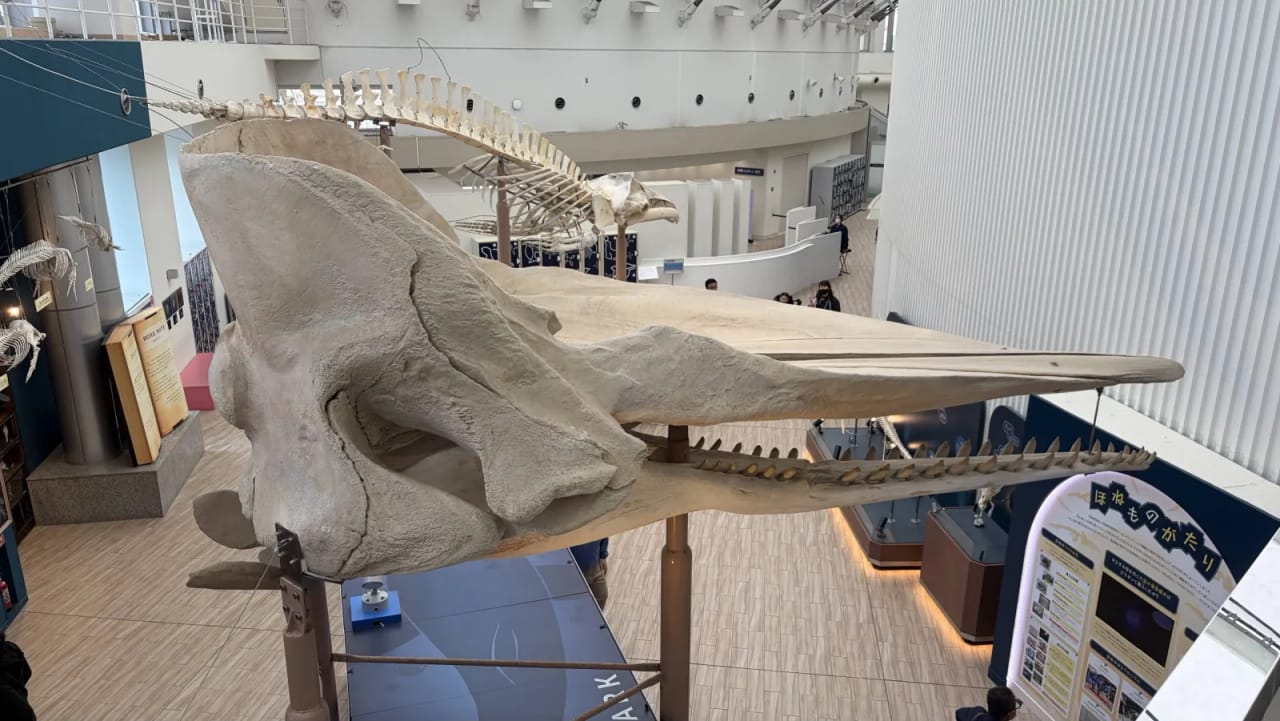
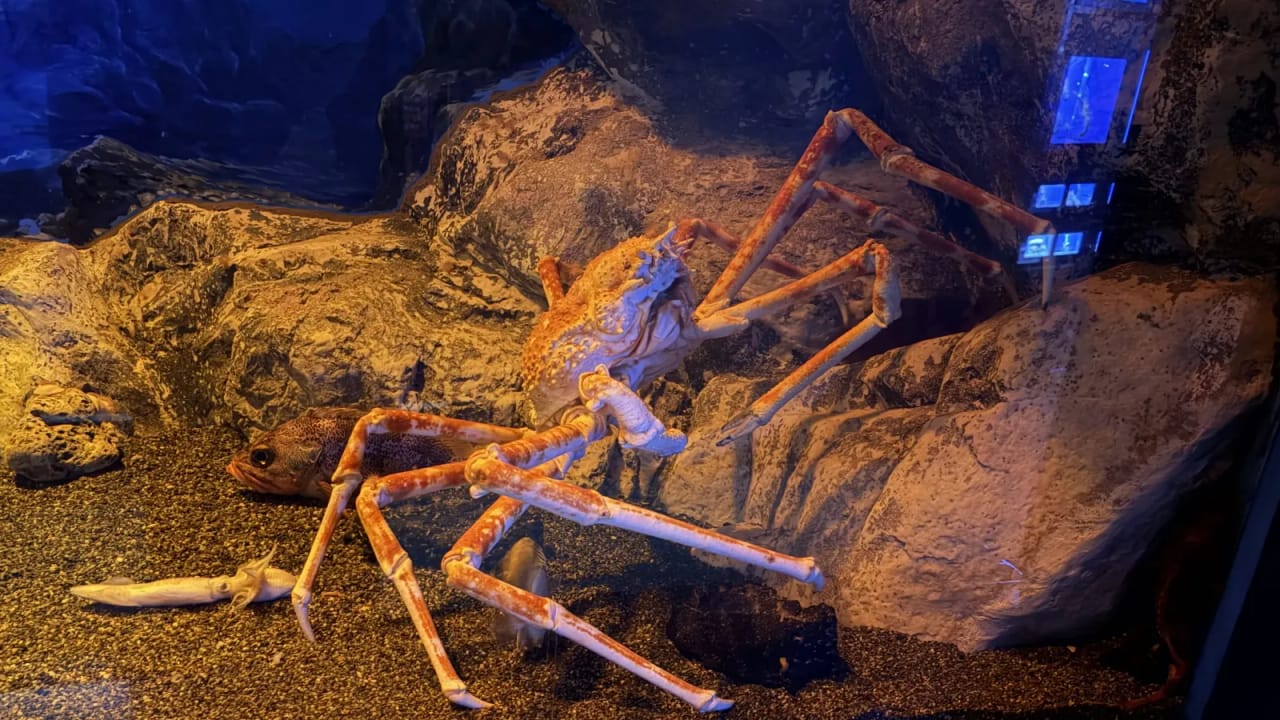
This wasn't my first time at a marine world, but definitely a first time seeing some of sea creatures like dolphins, penguins, seals, porpoises etc. There were many different kinds of fishes, sharks, crabs, jelly fishes, garden eels, frogs, snakes, salamanders etc. There were few fossils too, which I have no idea to which animal they belonged to. Also watched a show of feeding the penguins which was for the little children there. At the end of the tour, there was a cafeteria which was so tightly packed with families that there was a dedicated "stroller parking area" in it. At the exit, there was a souvenir shop too, which had a lot of marine related merch.
Bicycling in the park
After the marine world, I went back to the station where I turned left this time. It was the entrance to the humongous park area. It had both, a walking course and a cycling course. I went to the rental area. There was a kind old man, who suggested me to consider walking as there was a forecast for rain very soon. While I was considering, he and I had a little discussion about how he visited my home country a couple of years ago, and visited a couple of cities. It's always refreshing to talk to people, and more so, people talking to me. After considering, I decided not to rent the bicycle.
I scanned a nearby QR for the map of the park. I walked around the walking path which had a forest vibe. After around a few hundred meters, my first stop was a cafe to have lunch. Since it was pretty late, there weren't many people there. I ordered a curry meal, which was very satiating after walking a lot.
Vintage car museum
After the meal, my next stop was the vintage car museum in the park. There was no one but me, and just one staff there. He was also so chill and trusting, that he asked me not to touch anything, and left me unattended. As someone who does not have a lot of interest and knowledge about cars, the museum was very interesting. The cars were from very early 1950s all the way to the 90s. The nostalgic environment and the shiny cars were almost like a peek into the history of Japanese automobile.
After taking a look, I looked around at the seemingly abandoned souvenir store there. Seeing such a low footfall was kinda surprising. I took the item I wanted to get back to the ticket corner, where I paid for it.
Exploring flowers
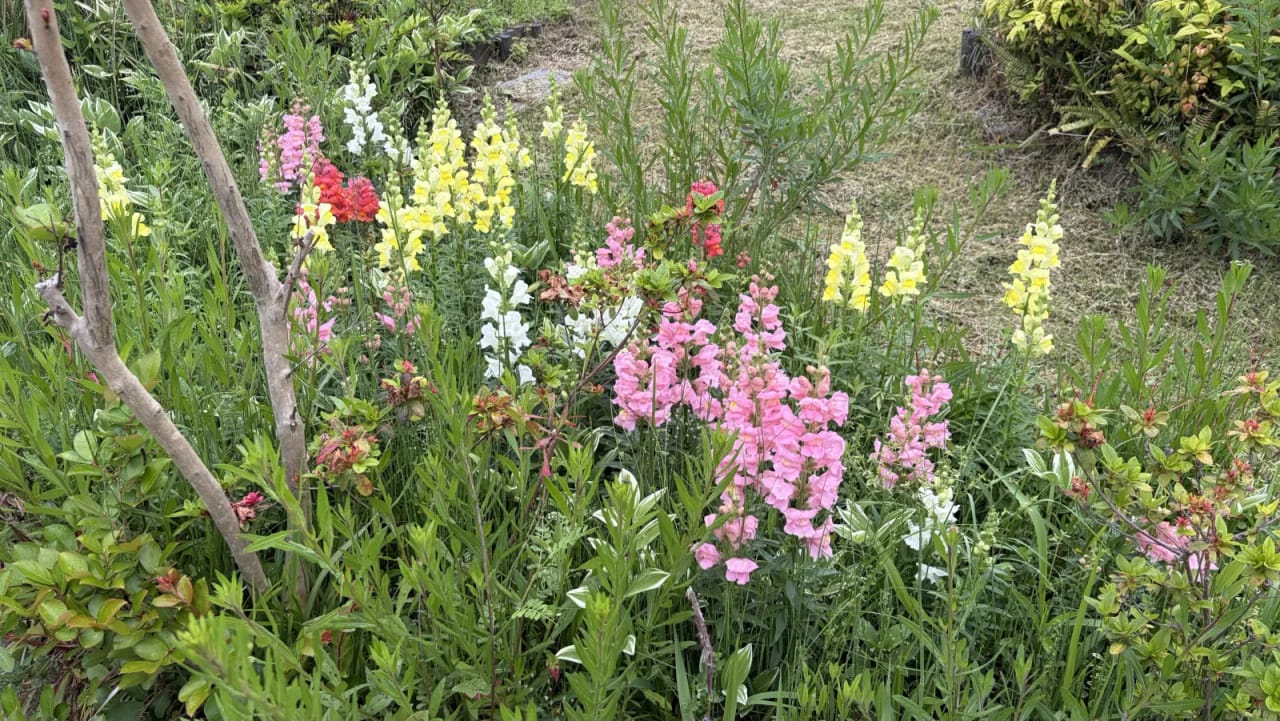
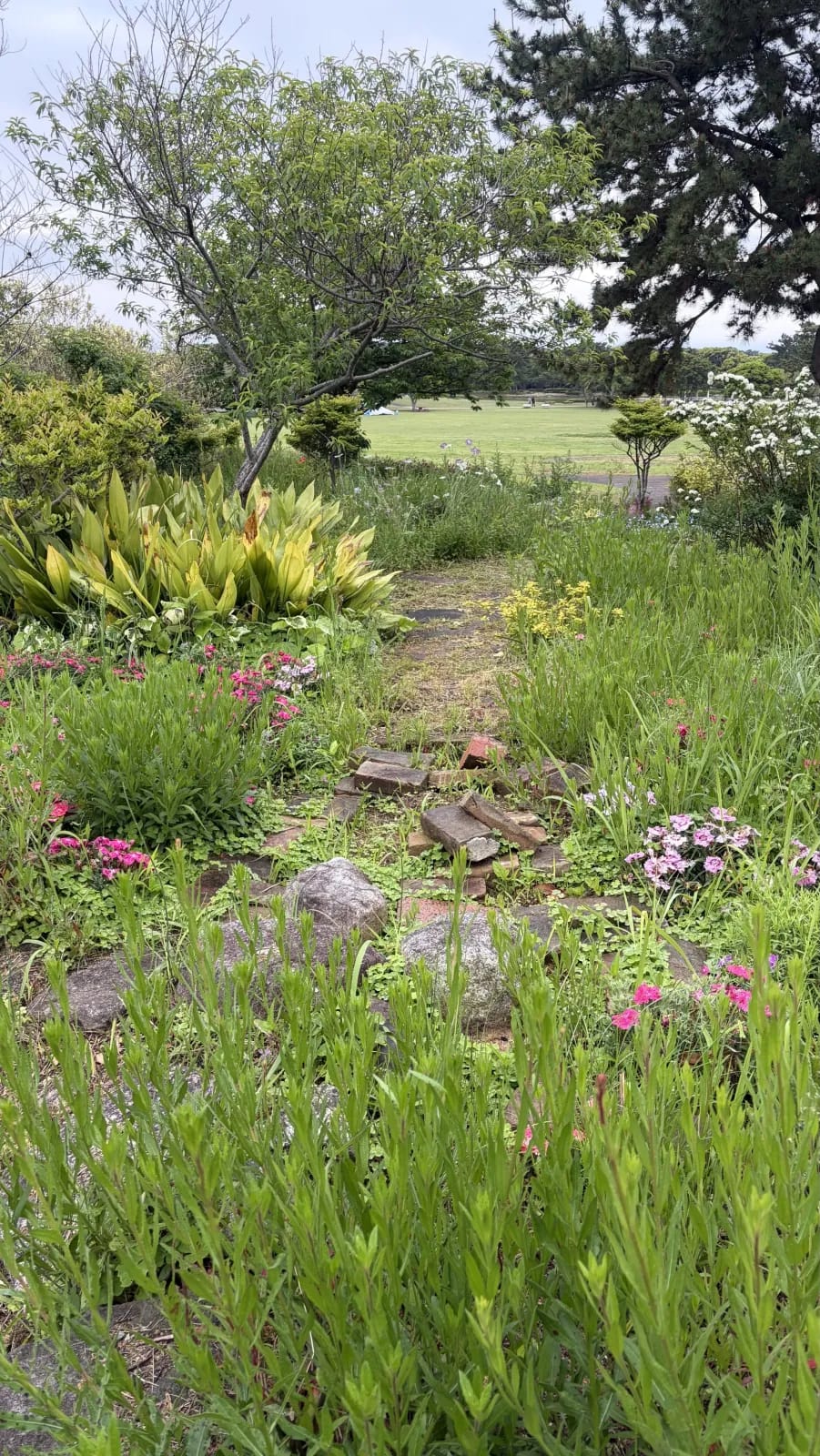
After the museum, I was back in the open, and now I started to explore different sections of the park that were marked for flowers. My first stop was a small section called the "Symphony Garden", which gave an impression of the symphony between a garden and a forest trail. There were several colorful flowers around the path that gave a sense of calmness to one.
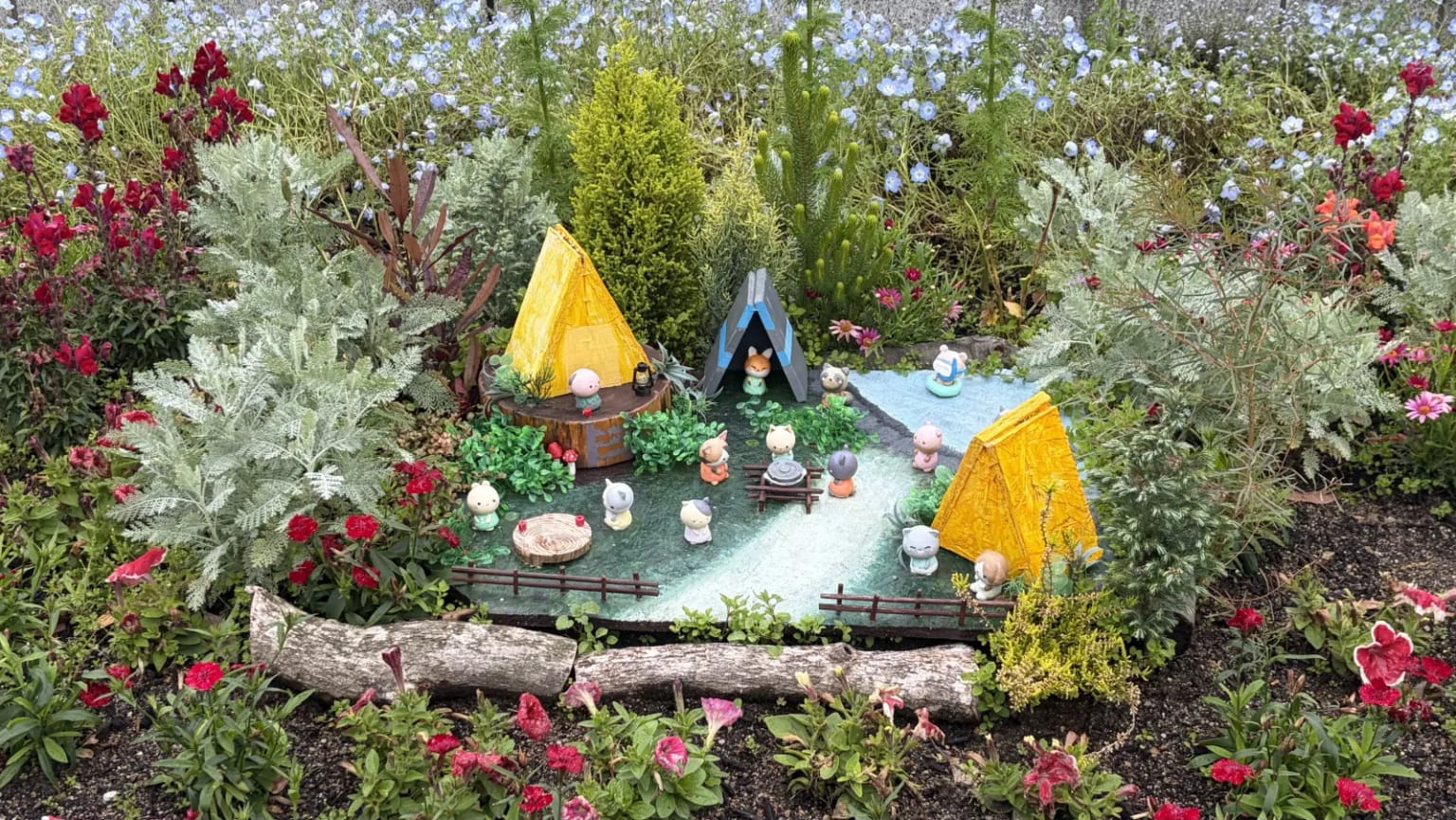
The next flower spot was near a lake. There were small sections that were decorated as whimsical, fairy-tale like miniature houses. It was almost like stepping into one's childhood fantasy. There was a sundial-like structure nearby which was also decorated with flowers and gardens for a miniature family of cute creatures.
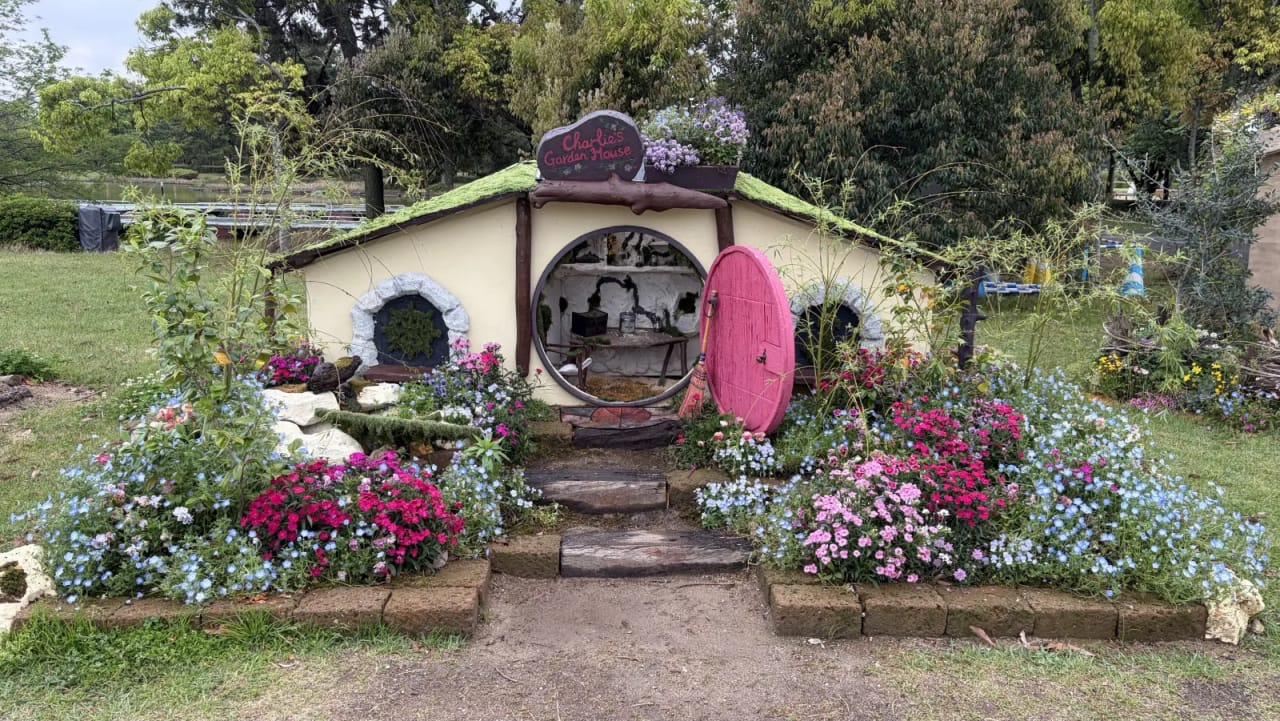
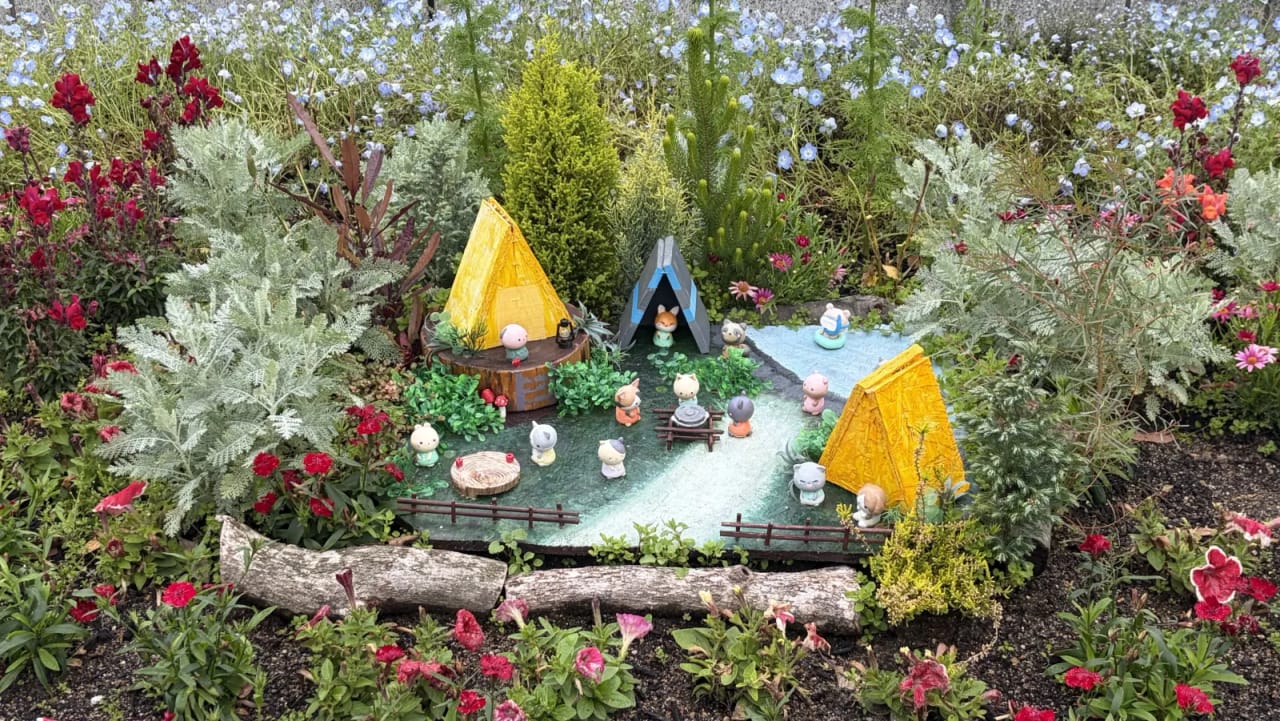
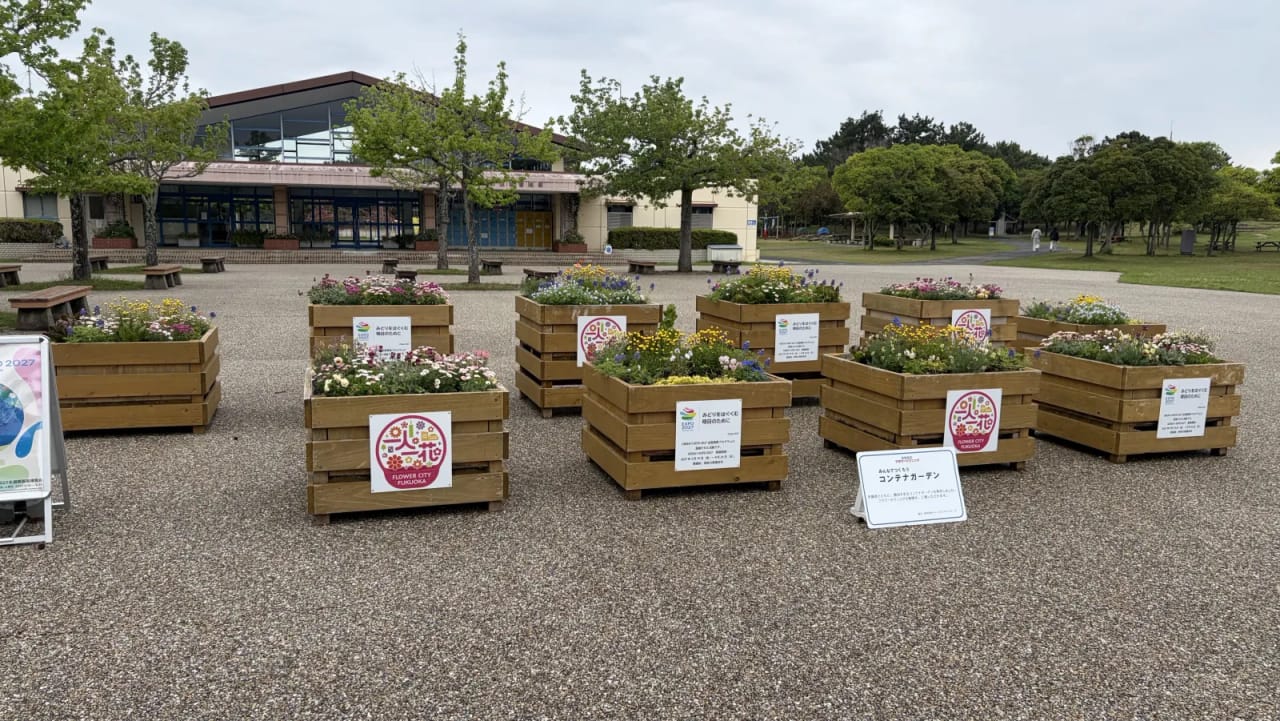
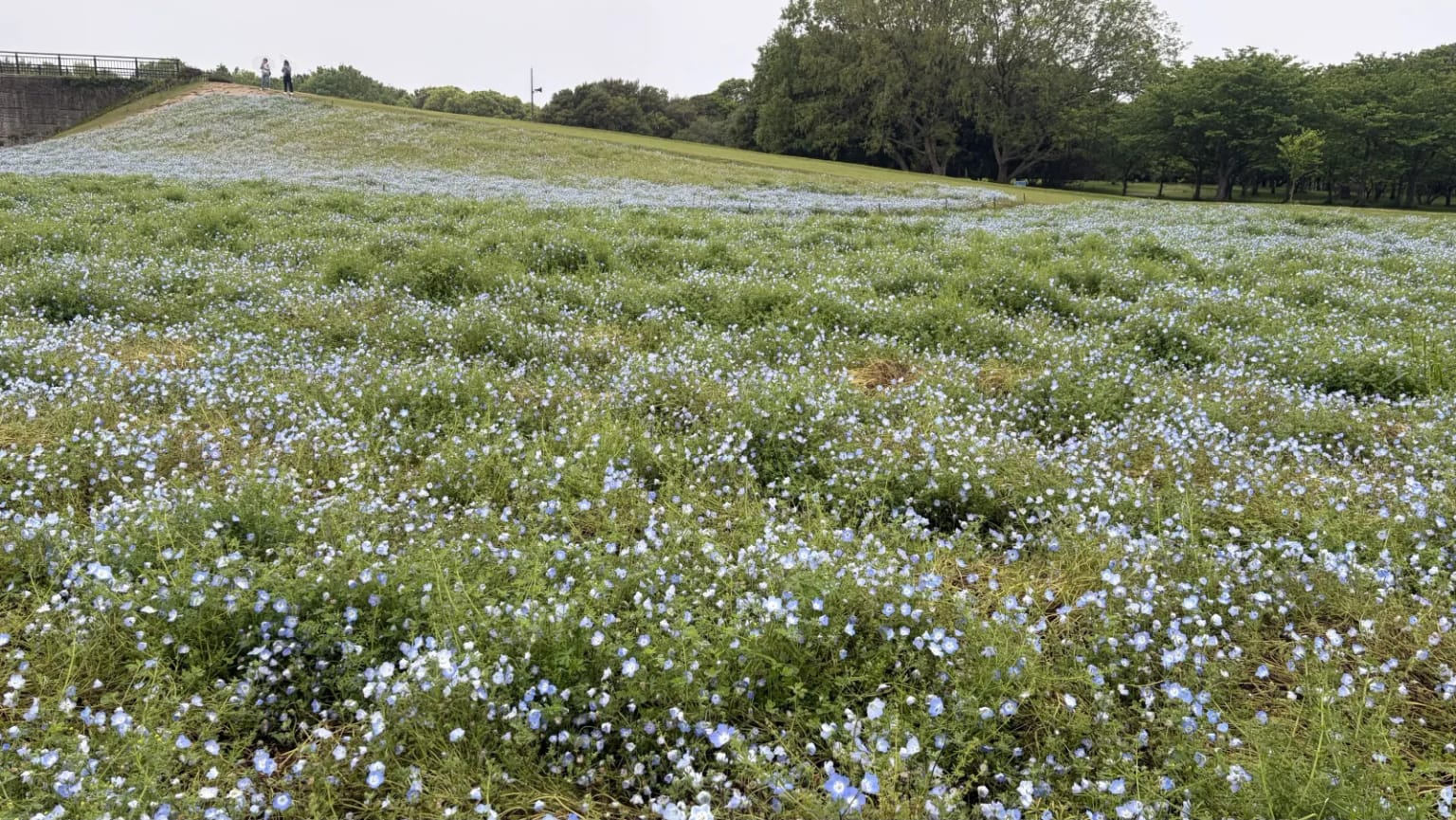
Exploring further, I came across a children's activity center, a lake, a bird-watching area, a field of sunflowers, etc. Finally I reached a field of nemophila (which is also called "baby blue eyes" apparently). Nemophila fields look very beautiful, almost like a sea of blue pearls. It was a great sight. This spot felt more popular (because of Frieren for people who are not familiar with it). There was also a couple who came there for their wedding photo shoot.
Zoo
My next stop was the zoo in the park. First I stopped to get an umbrella, as it had started to rain. Then I started exploring the zoo. There were several types of cockatoos, peacocks, monkeys, flamingos, llamas, ponies, tortoises, sheep, goats, cranes, mara, capybara, kangaroos etc. It was my first time seeing some of them, and I enjoyed my time here.
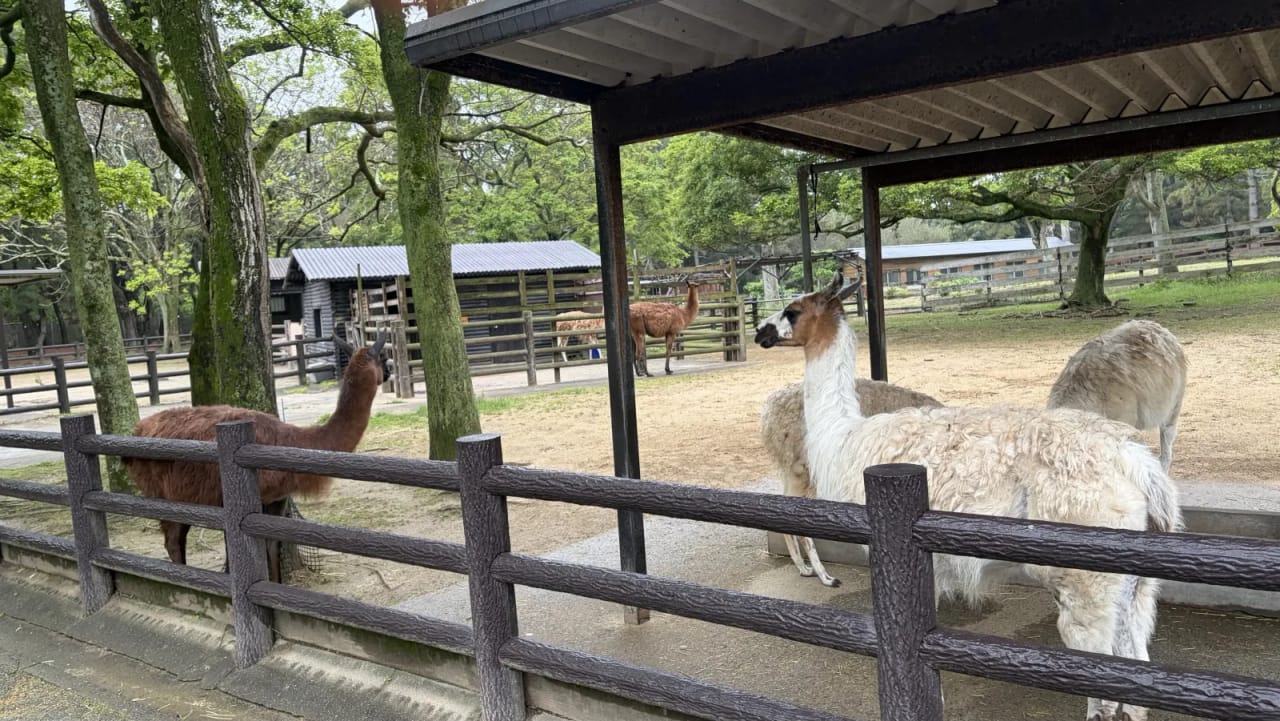
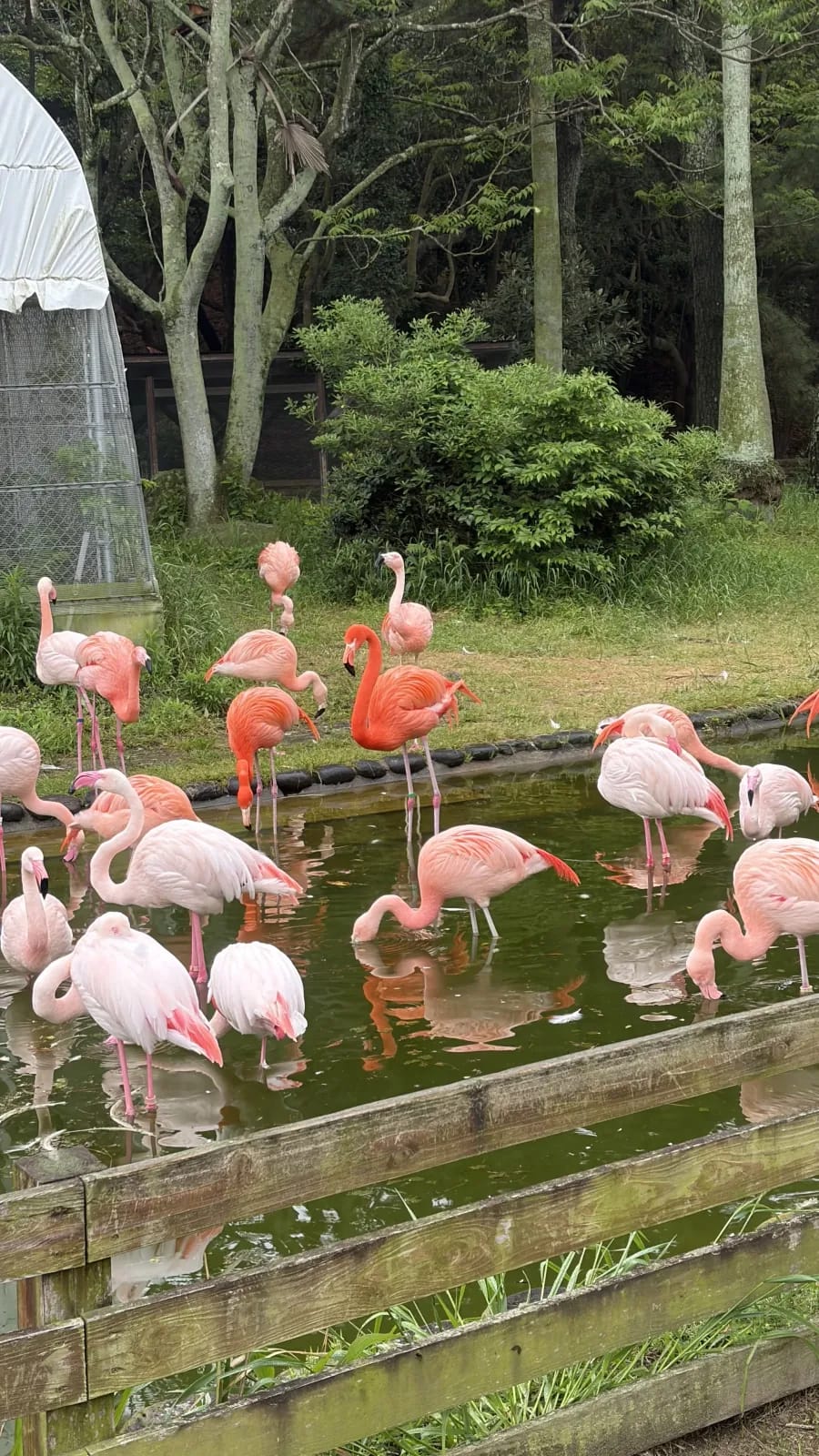
After I left the zoo, I had planned a couple more stops. But one of the elder staff told me that it's almost time for the park to close, and I may not be allowed to leave after that. I thought it was a bit weird, but I didn't want to take my chances. So that marked the end of my park visit. I rushed to the station to catch the train, which was about to leave.
Fukuoka Tower
My next stop was the famous Fukuoka tower. It had an observation deck at one of the higher floors. The view from there was pretty good. I could have been better if it wasn't raining during that time.
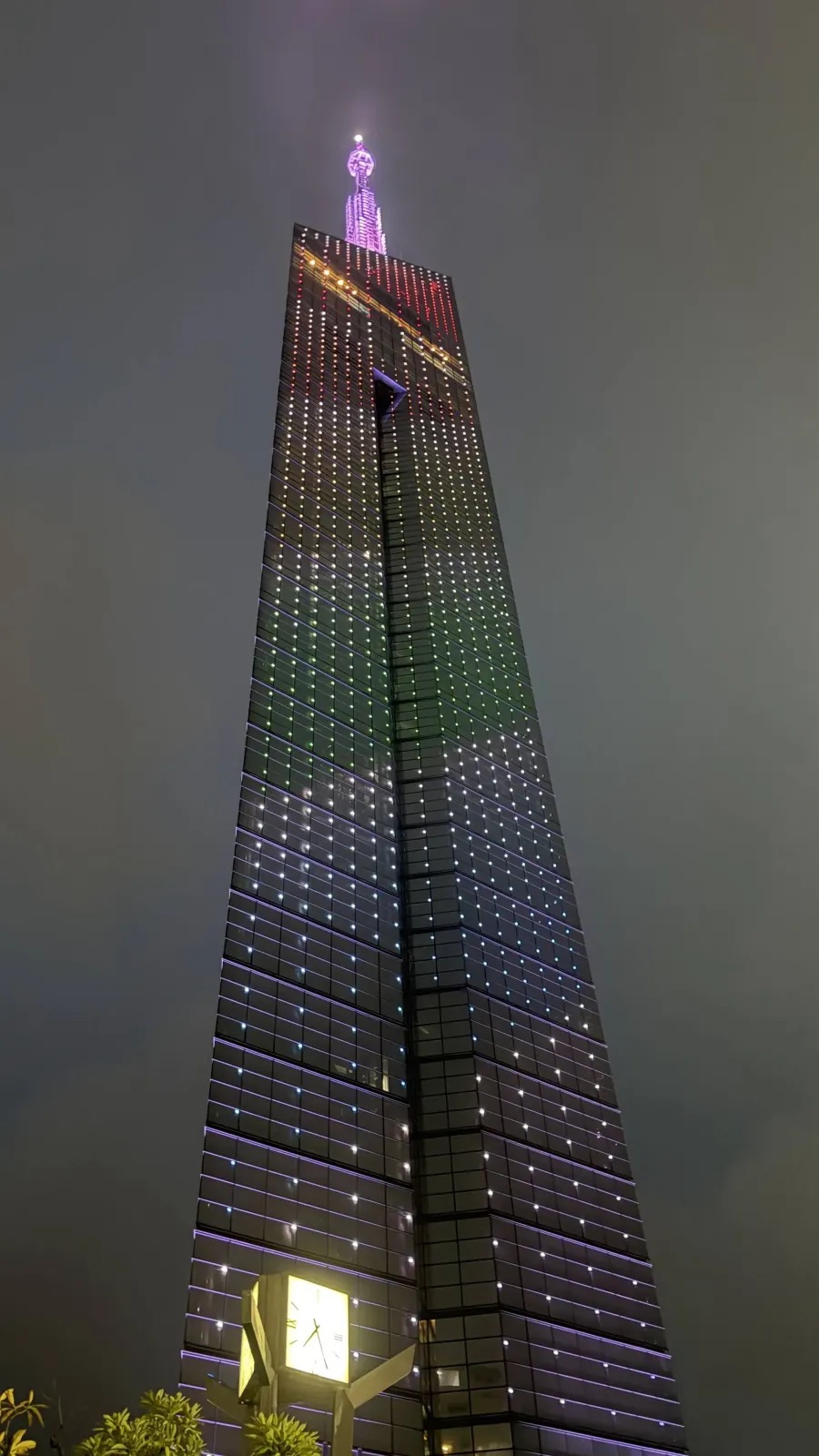
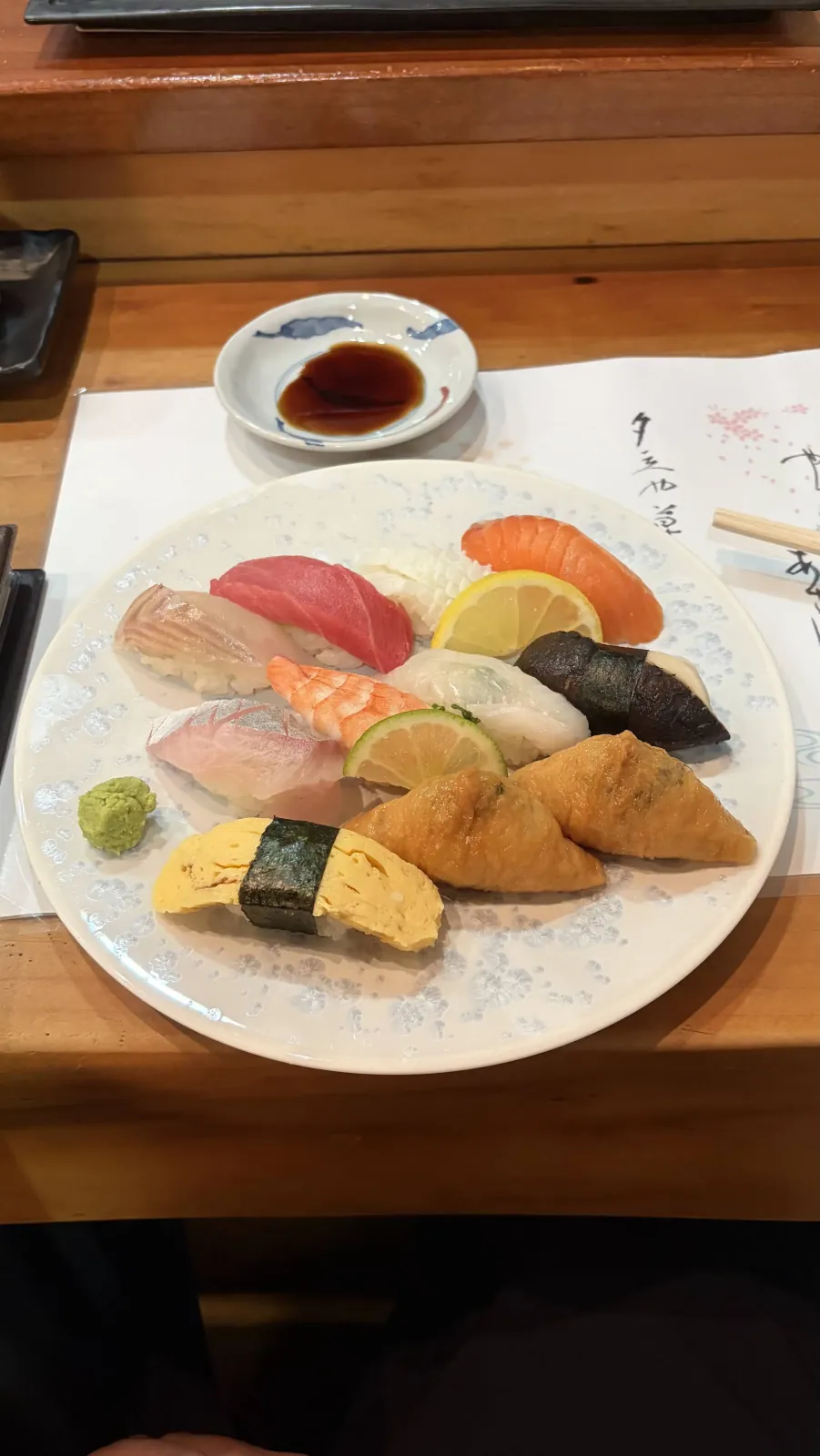
After enjoying the view, I had dinner nearby, at a sushi restaurant called まさ庄. The staff was an elderly lady who spoke good English, as well as two elderly chefs who were rolling out sushi. They made me feel very comfortable, and the sushi was amazing too. On the way home, I had to buy a new suitcase, as I was no longer able to fit everything in my bag after all the shopping in Fukuoka.
Tenmangu Shrine
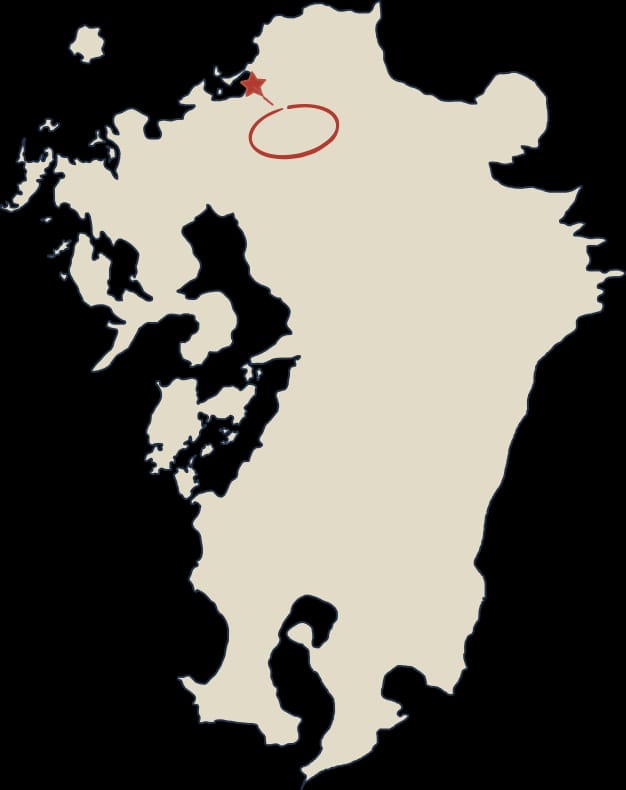
My day 3 started with waking up early to head to Dazaifu. I woke up, had combini breakfast, and went to the station. It was close to an hour away from Fukuoka, with all the trains I had to switch. The trains were a bit crowded as it was a school/work day.
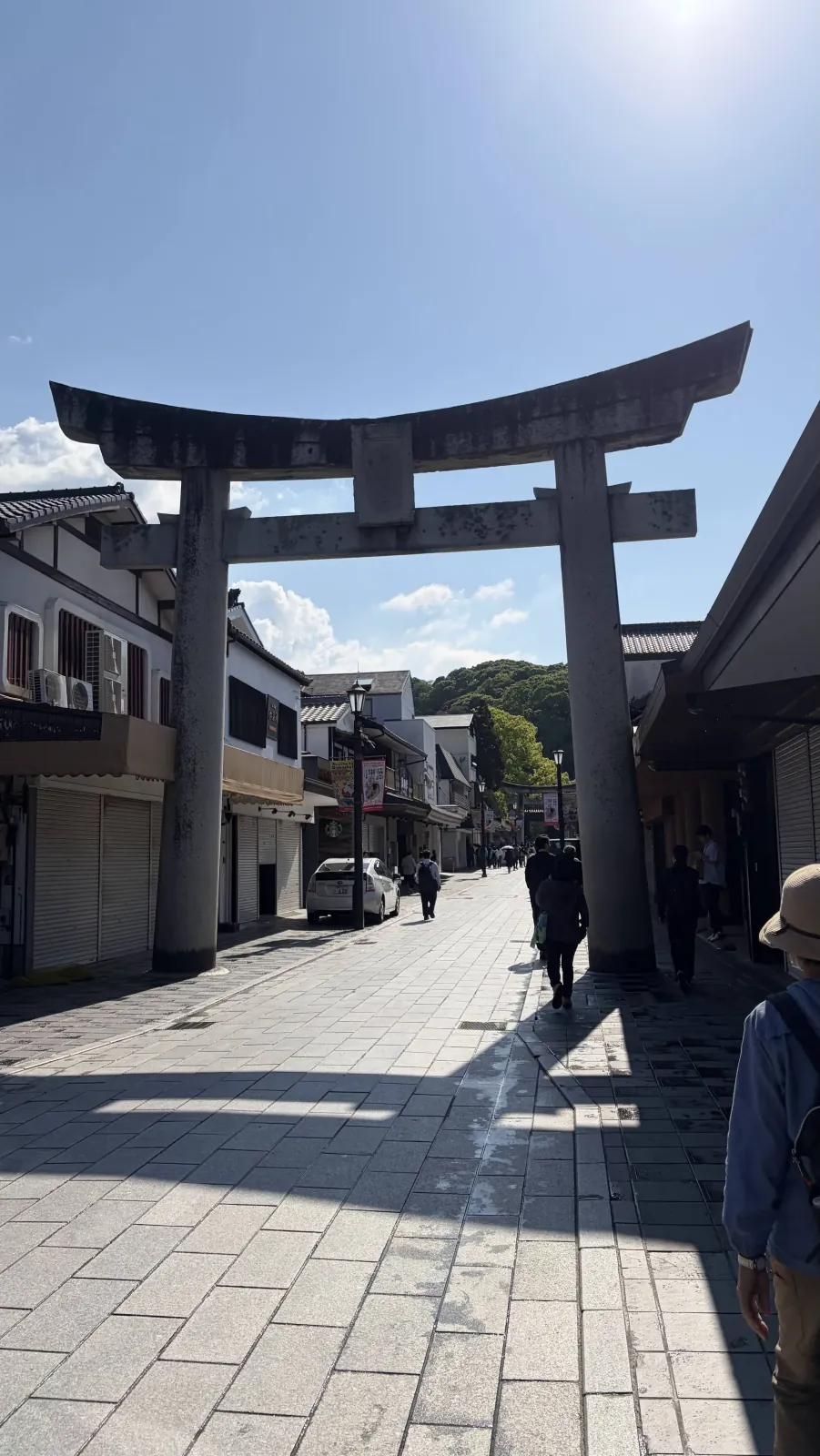
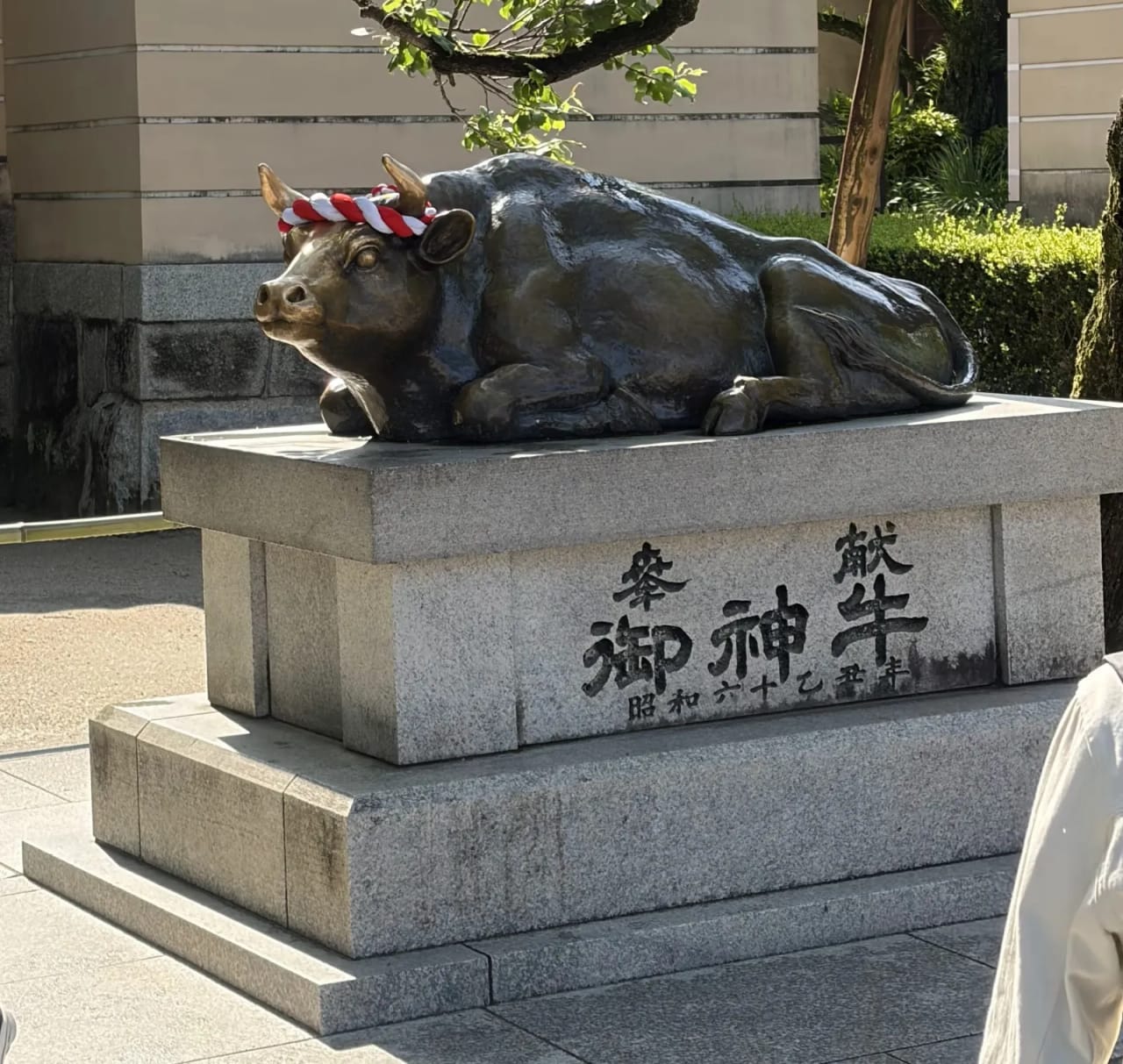
Exiting Dazaifu station, I saw the shopping street that led straight to Tenmangu shrine. Since it was still early in the morning, almost all the shops were still closed. So I went straight to the shrine. The shrine seemed to be very popular amongst the Chinese tourists, as there were a lot of them. Getting into the shrine through the torii gate at the entrance, the first thing I saw was a sitting bull statue. It was the first major attraction in the shrine, and there was a long queue of people getting their photos clicked with it.
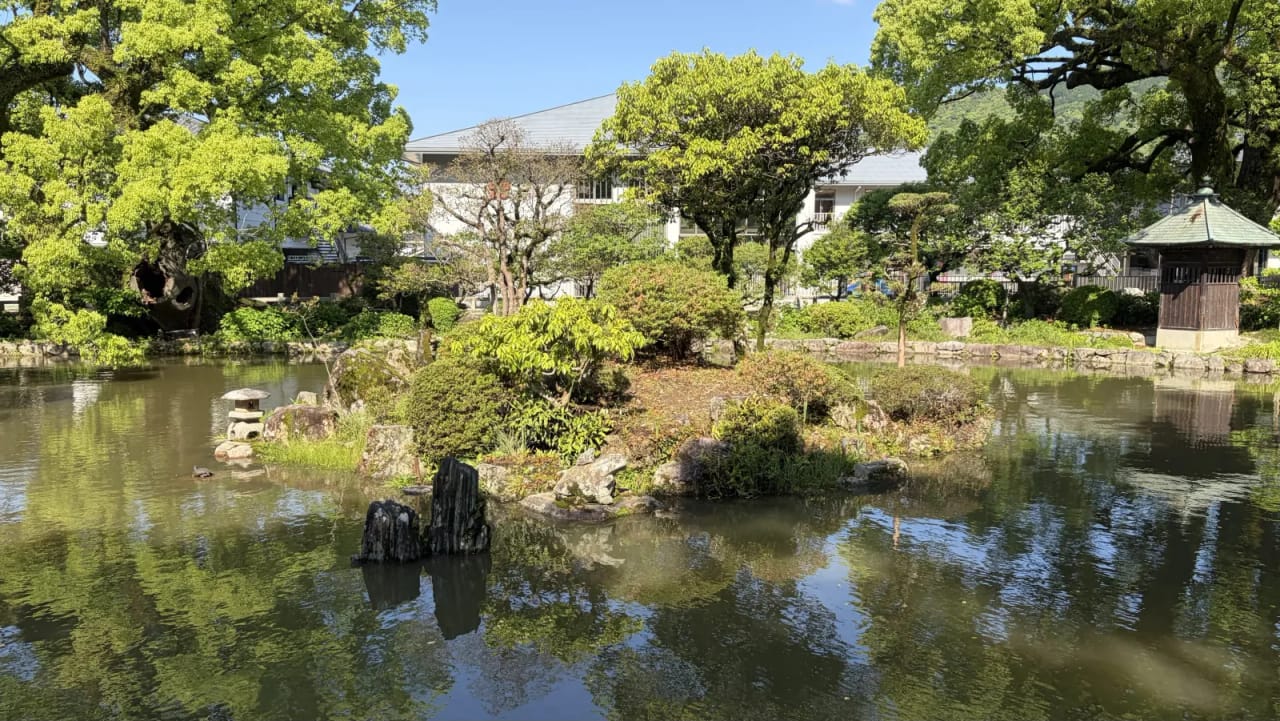
Walking past it, there was a lake, and a bridge that went across it. Across it was the shrine premises. The main shrine building was undergoing renovation during my visit. There was a temporary shrine built just in front of the real one, where some activities were taking place.
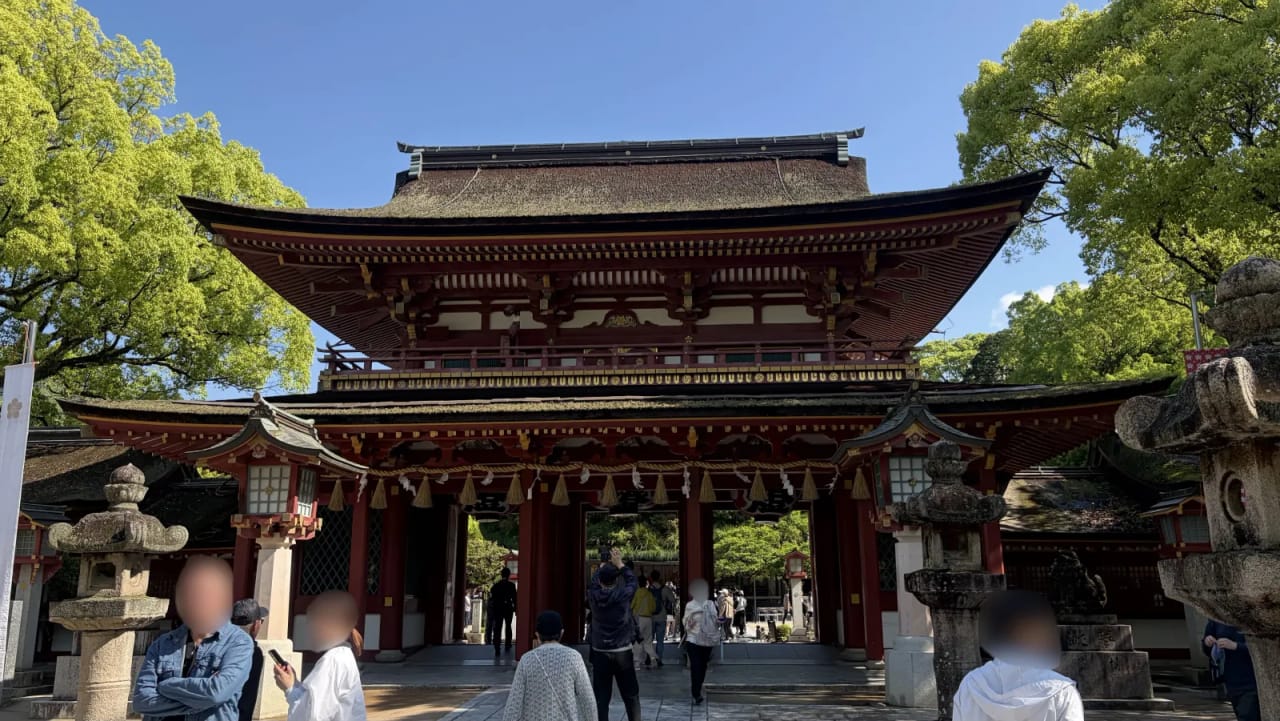
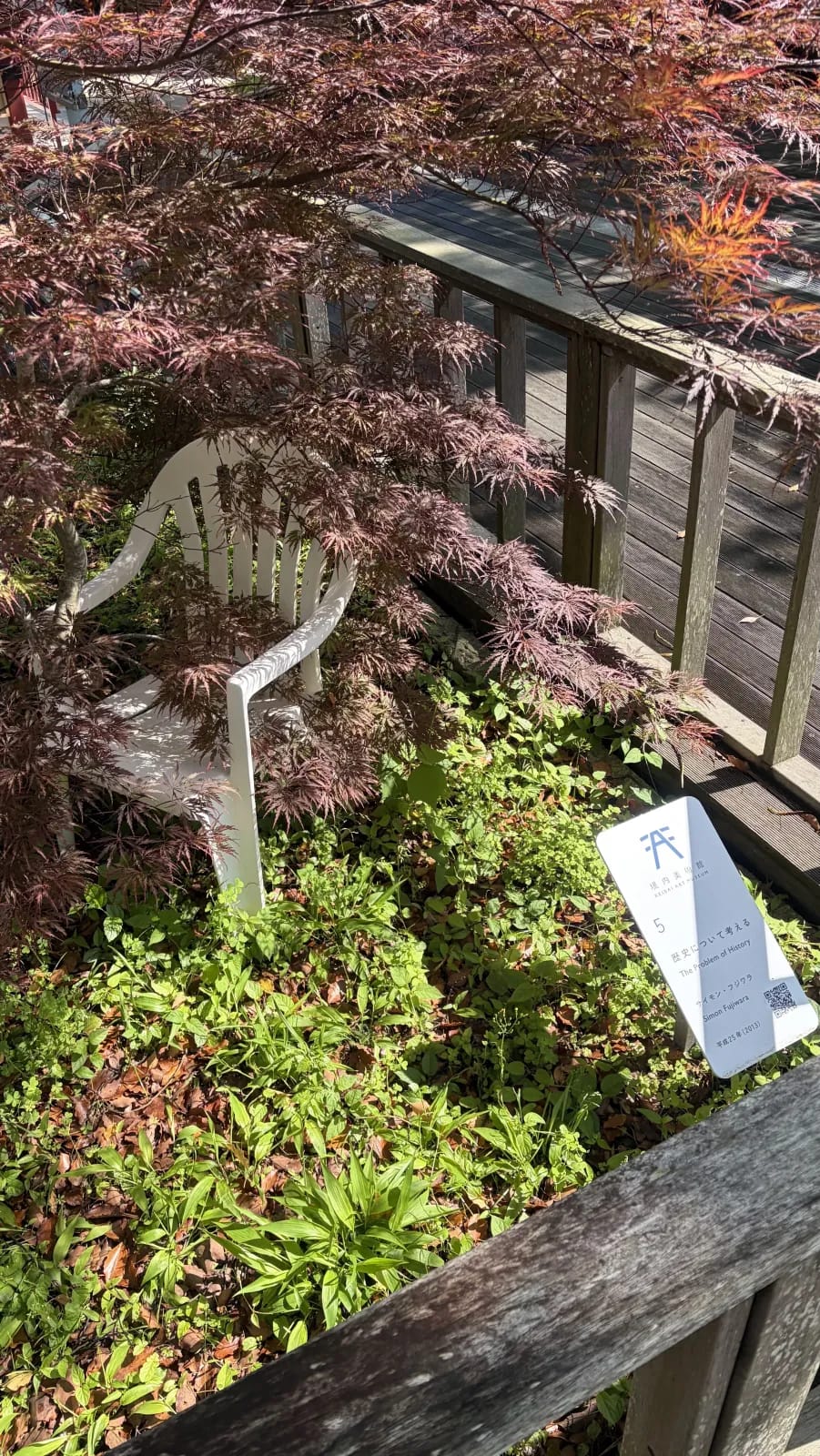
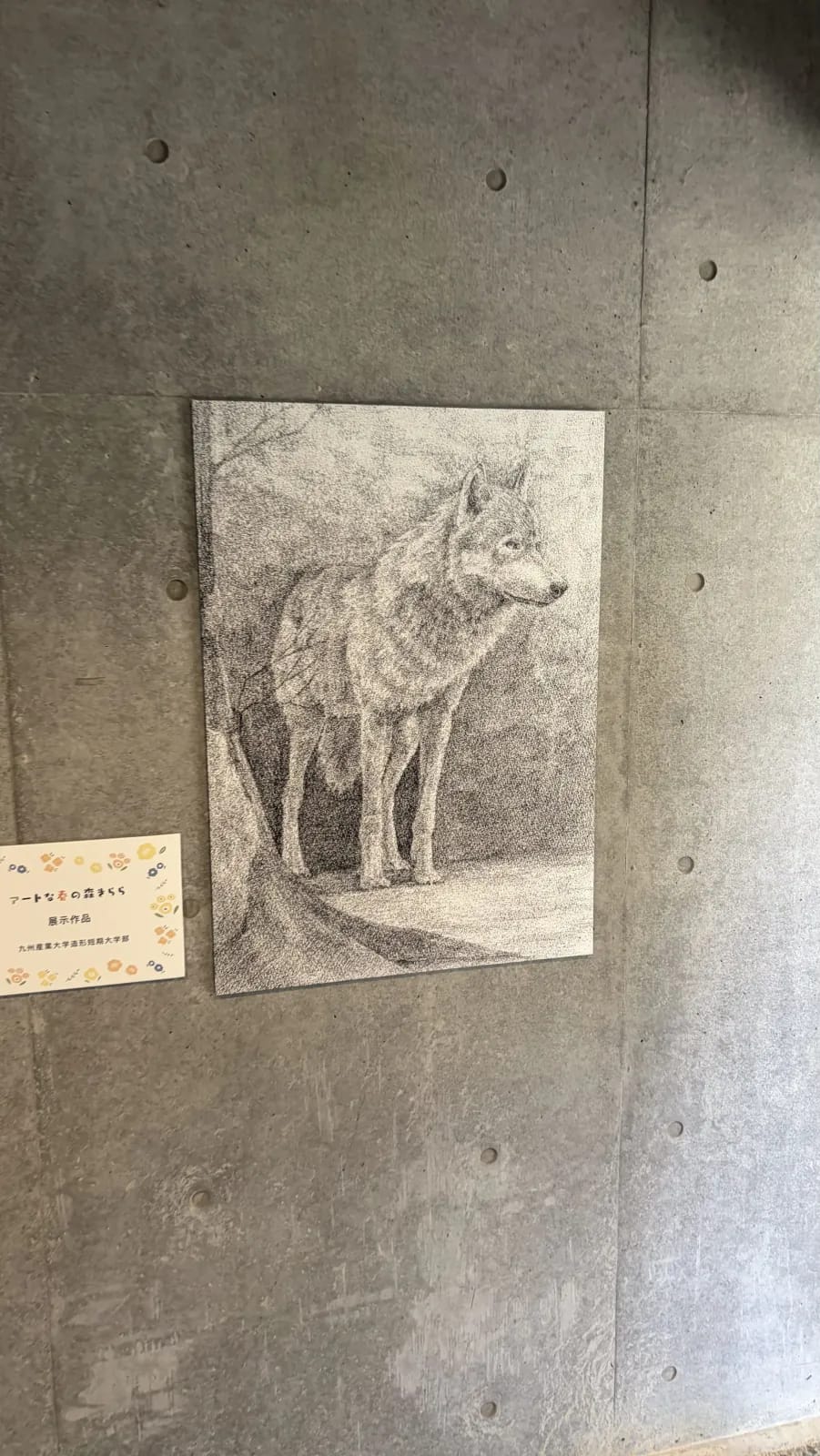
At the right side of the shrine were a few monuments. There was also an exhibition of abstract art by a university in the shrine which was not apparent, but one could identify them by the QR codes near them. Scanning the QR codes gave a description about that piece. There was also a museum which was about the history of Dazaifu and the Tenmangu shrine. Here I came to know that people come here to pray for their education here, and so is famous among students and artists.
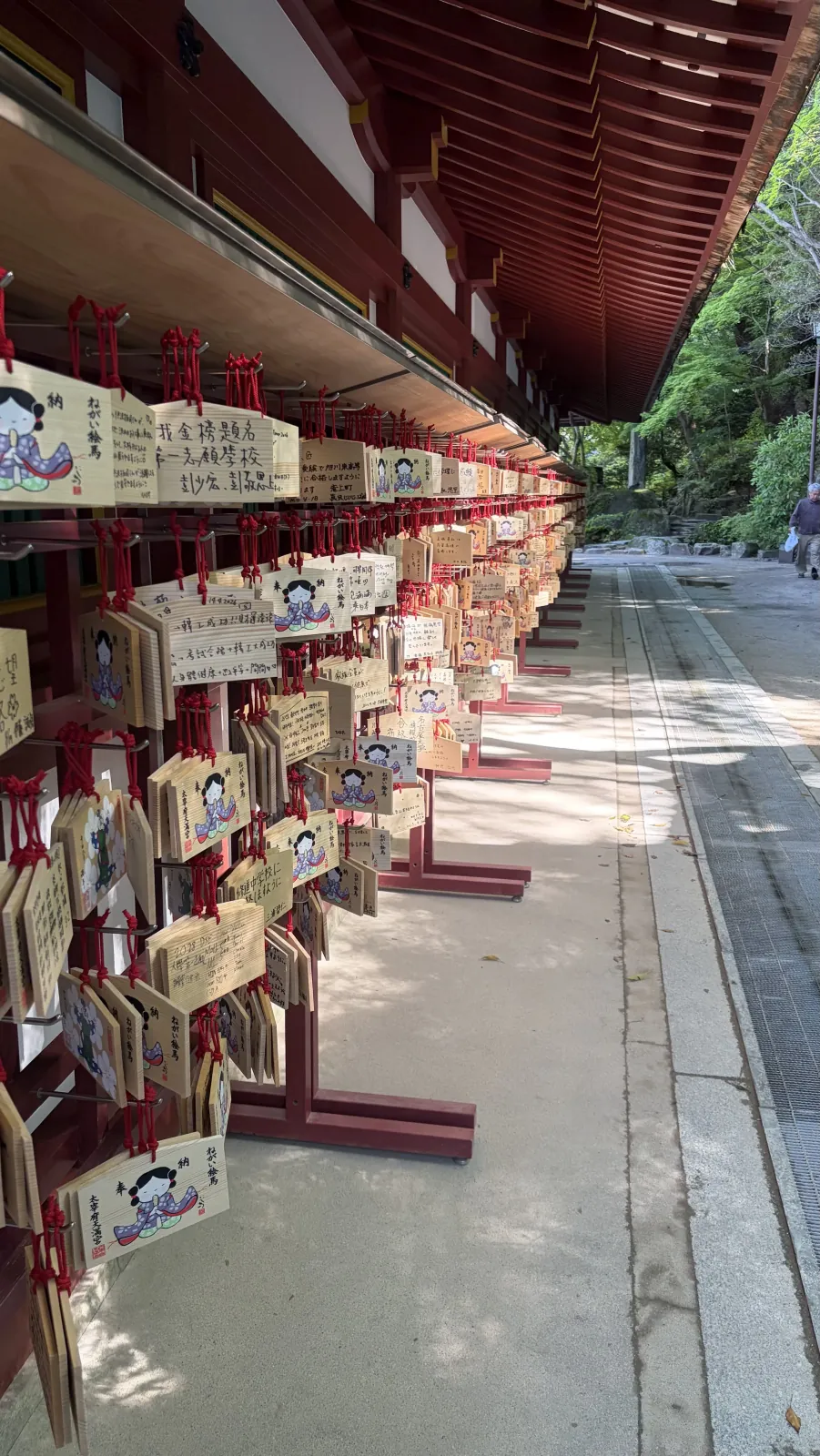
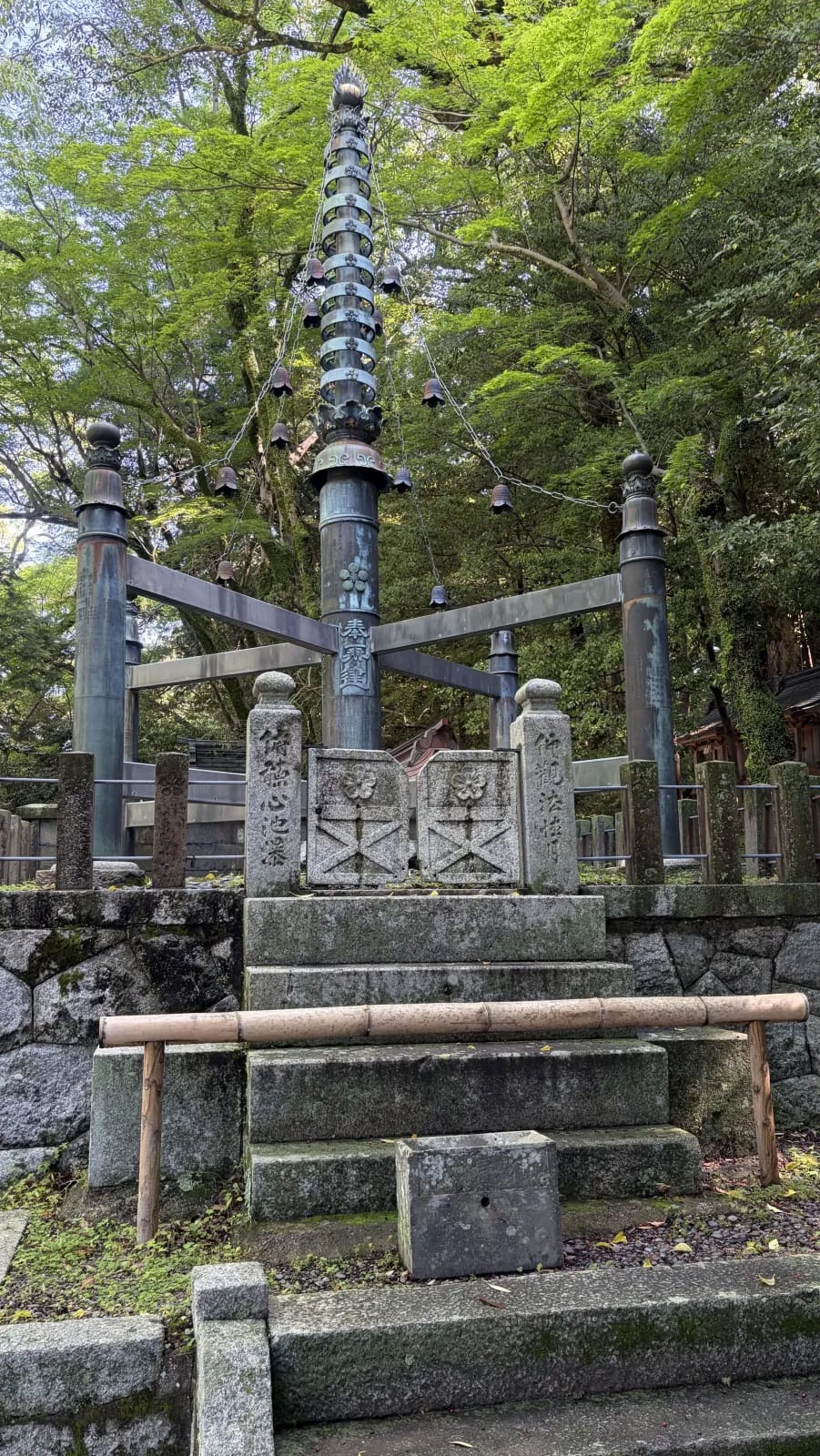
On the left side, there was a hall, and several huge camphor trees.
Kyushu National Museum
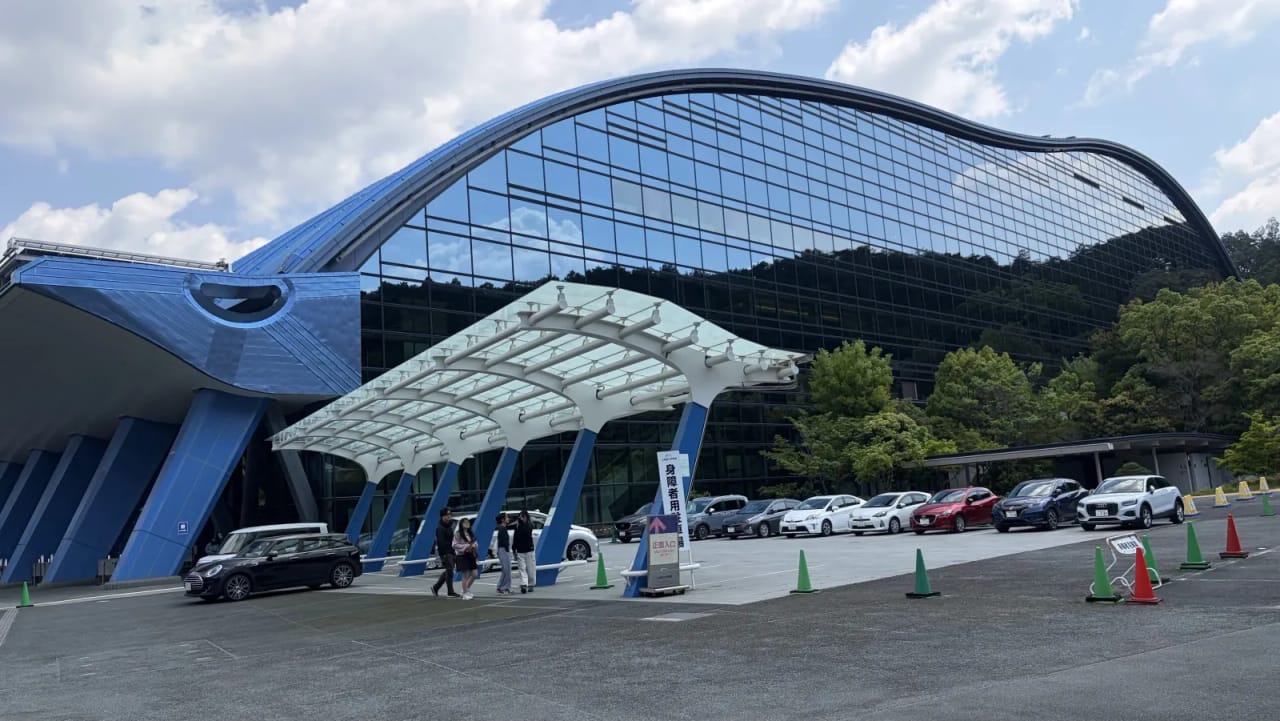
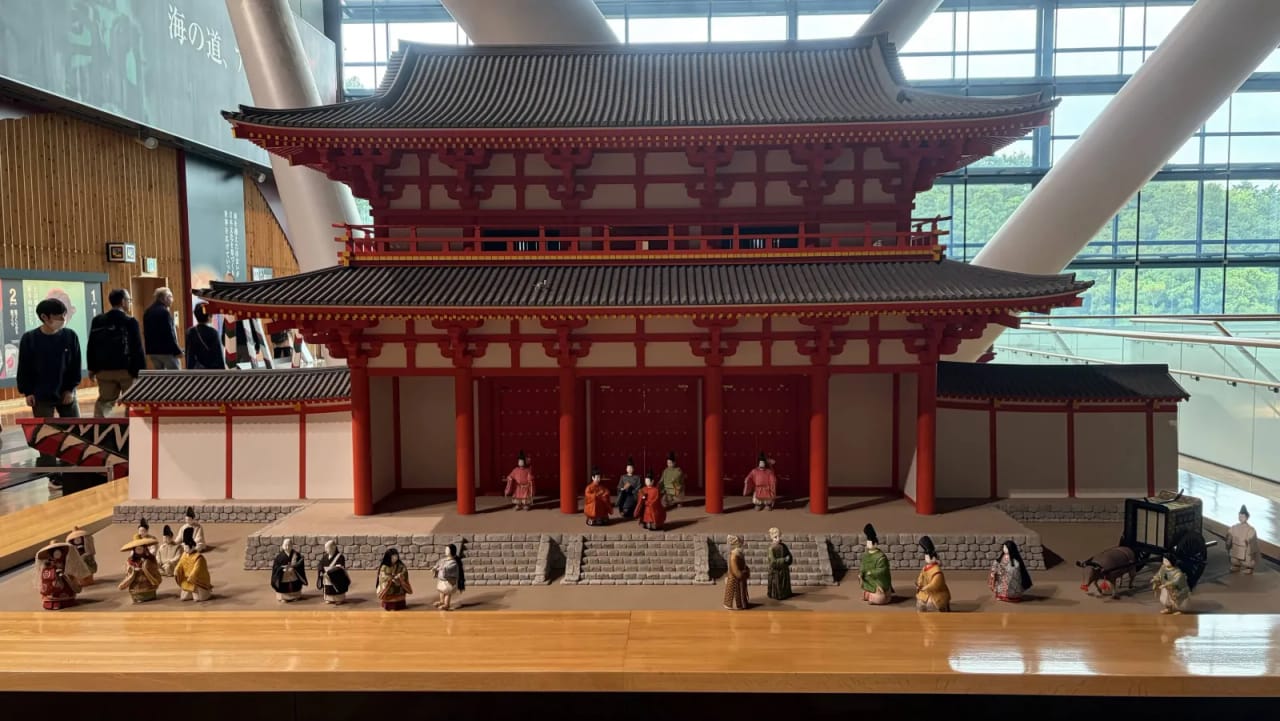
Just a small walk away was the Kyushu National Museum. This museum was one of the largest in Kyushu region, and known for its exhibits of Asian culture. It was huge. I took my time to explore it thoroughly. There were exhibits that were segregated by eras, starting from the pre-civilization period, all the way to 2000s. There were exhibits from various other parts of Asia too, along with Japan. The museum shop also had some souvenirs related to the exhibits there.
Shopping street
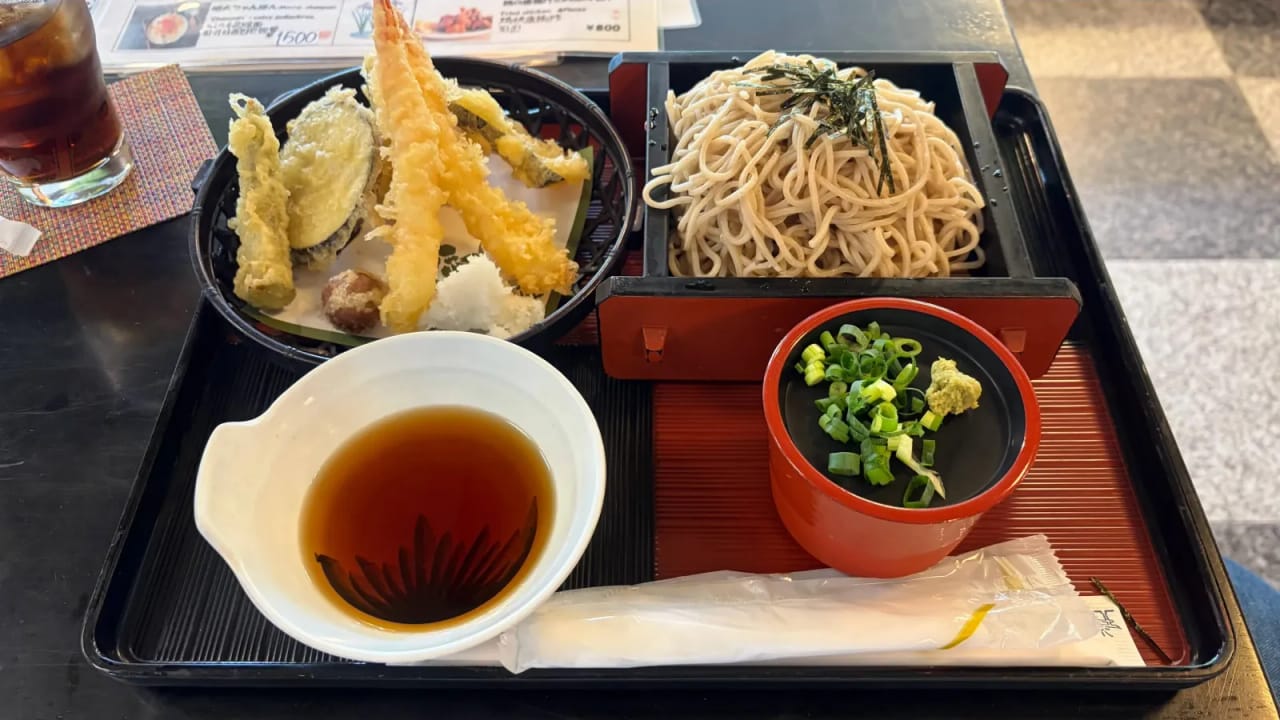
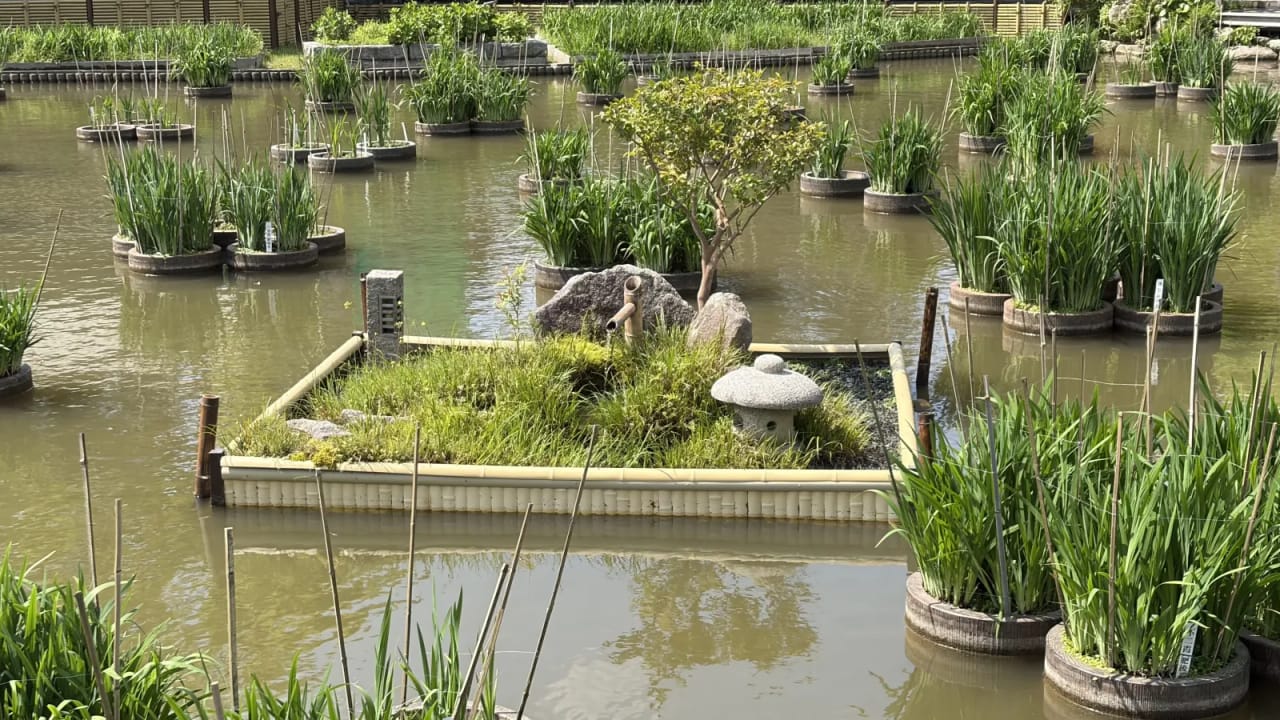
Being exhausted by all the walking I did till now, I was looking forward to have my lunch. Luckily, there was a small street even within the shrine area. I stopped at Uguisu Chaya and had a tempura set there, overlooking the Iris pond. It was a very satisfying meal.
After that, I left the shrine and entered the shopping street. Dazaifu is famous for its Umegae mochi, so naturally I had to try it. It was also a good choice after my meal. Most of the shops were making them fresh. I bought one with red bean jam. The taste you get for just ¥180 is absolutely insane.
For the interested, there were many other stores in the street, ranging from clothing, to accessory, to cafe etc. It was pretty packed during that time of the day. After strolling there for a while, I made my way back to the station, and back to Fukuoka.
Nakasu Yatai
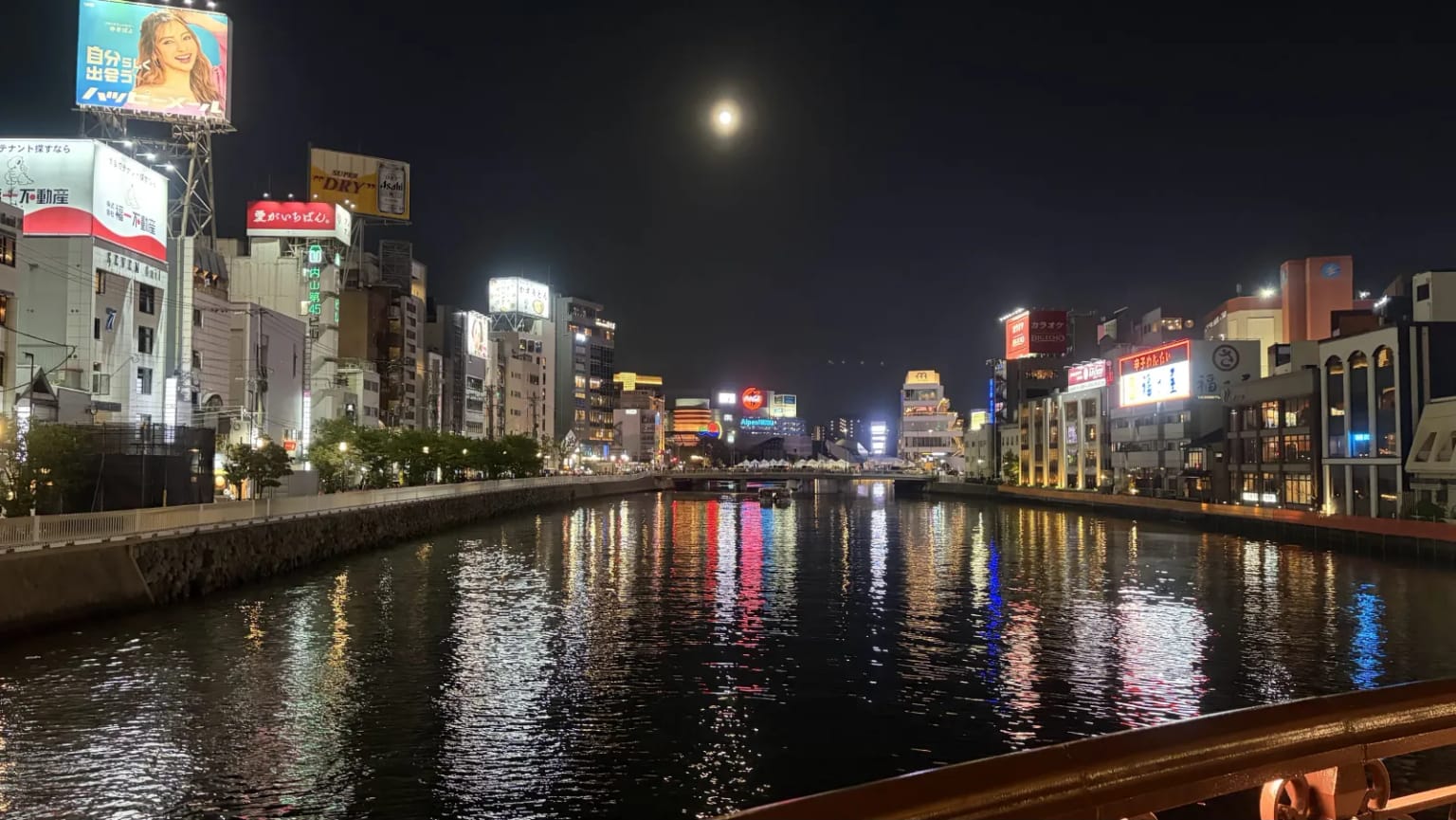
At night, I went to the banks of Naka river, where it was very lively. There were several live-performers there. A beer festival was also taking place there. But the highlight were the street stalls. There were all sorts of stalls with ramen, oden, yakitori, etc with a huge queue on each one of them. If waiting is not an issue, then you will definitely like the vibe and the atmosphere there.
Hells of Beppu
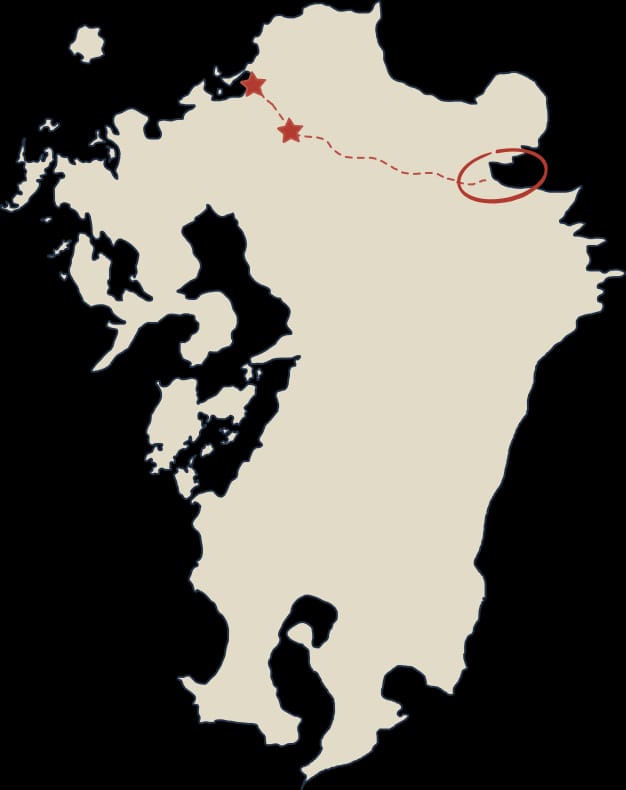
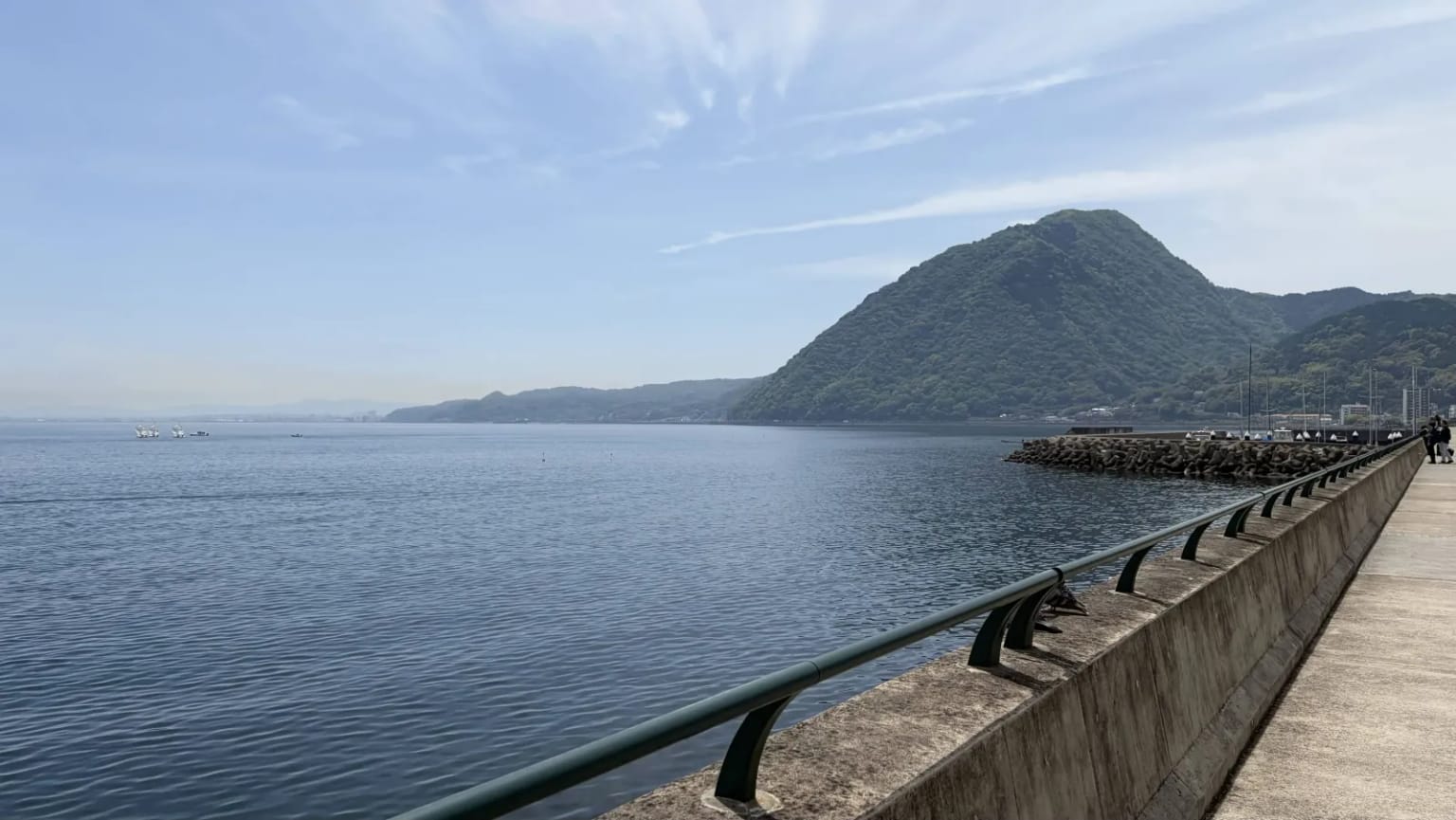
The next stop of my trip was Beppu. To get there, I checked out of my hotel and took the morning train from Fukuoka. It took a couple of hours to reach. Beppu is a city in Oita prefecture famous for, and not limited to, onsens. Upon arriving, I went to the hotel to drop-off my luggage, and headed to the shore, which was less than a 100 meters away. After chilling there for a while, I headed to the bus stop to start my sightseeing.
Seven hells of Beppu
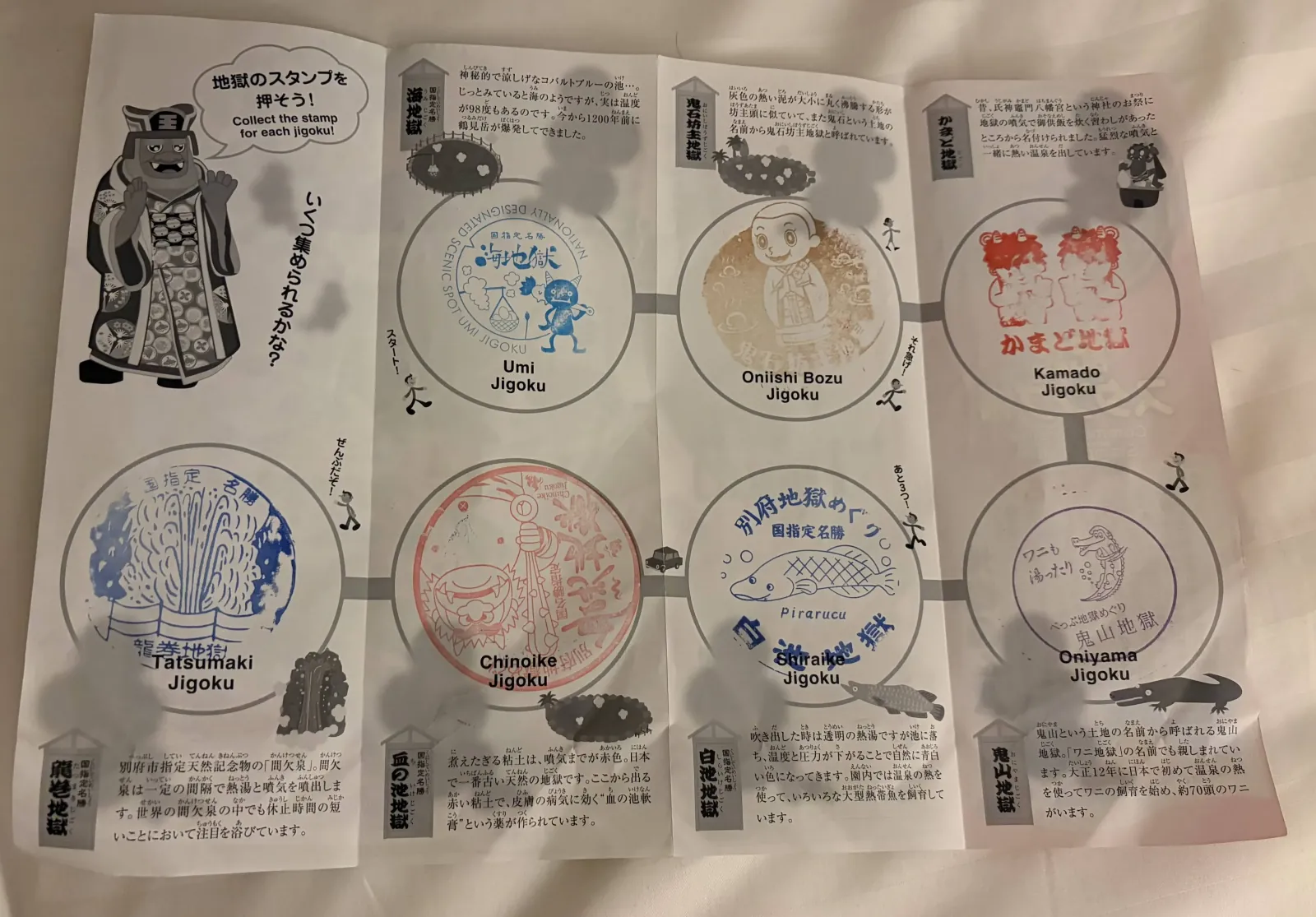
Beppu has these famous hot springs systems called Jigoku Meguri, that represented hell due to the escaping sulfuric steam, but in a scenic way. I had to get a ticket to visit all the seven hells. There were two types, first one was just for the first hell, while the other one was for all the hells. So it was pretty obvious which one I had to choose.
Along with the tickets, they also had a stamp rally and some quizzes whose answers were hidden in all the hells. Since my reading was still limited, I got the stamp rally sheet. The quizzes were also very popular with kids there, who were crazy about finding answers hidden. The questions were based on historical facts that were presented throughout.
Umi Jigoku
The first hell is called the Umi Jigoku, meaning the sea hell. Upon entering, there was a small bridge, and below it was water. Inside it was a bowl, and a sign which said if you toss a coin from the bridge and it goes into the bowl, it could be a sign of good luck (or something similar). It was pretty popular with families with little kids.
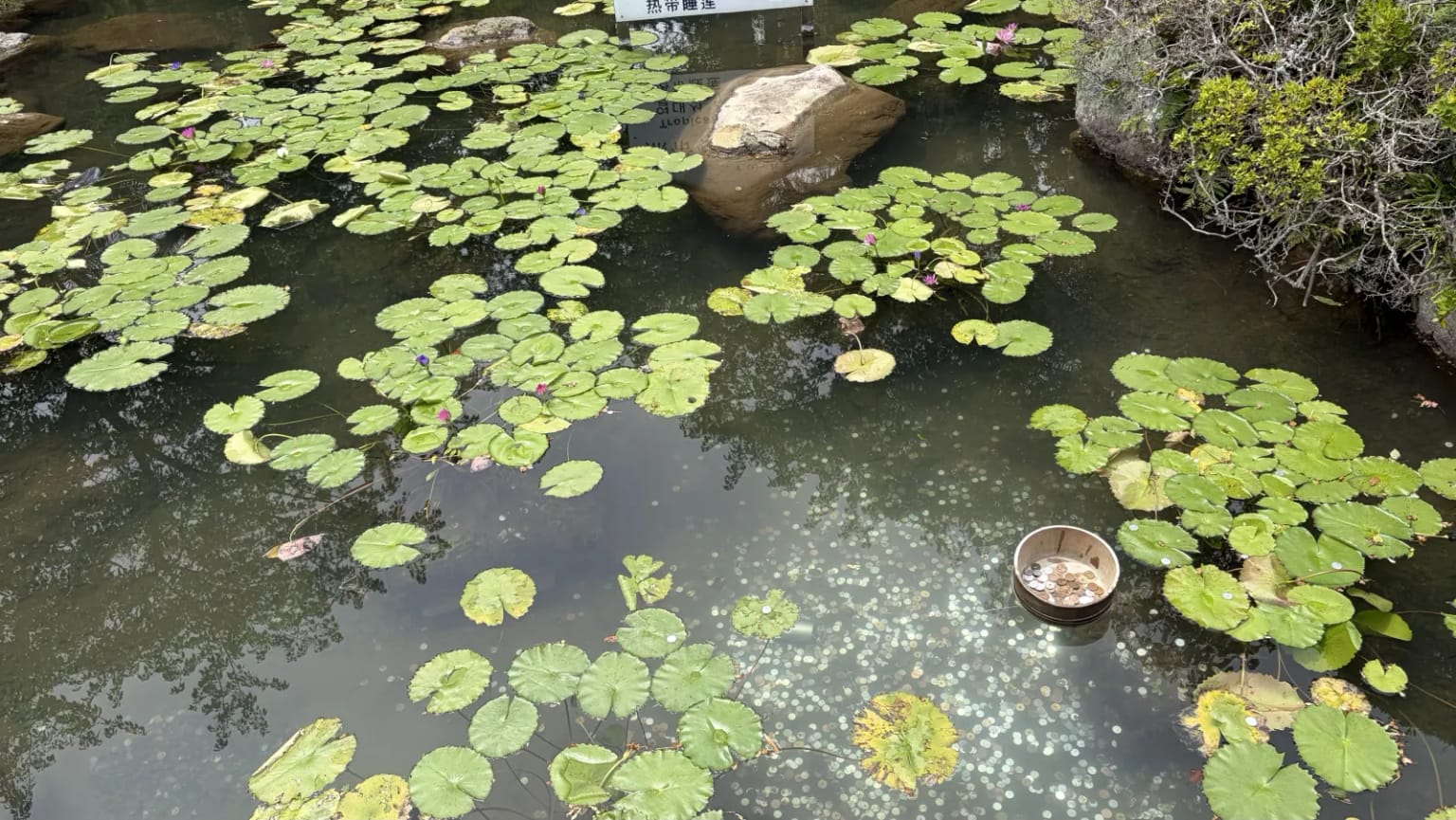
The hell itself was the deep, saturated blue you see in open seas, which is where the name comes from. Thick plumes rolled off the surface constantly, giving the whole pond a genuinely eerie, almost dangerous feel to anyone standing near it. There were a couple of parks, gardens, a lake, a shrine, a foot-bath, a greenhouse etc in the premises.
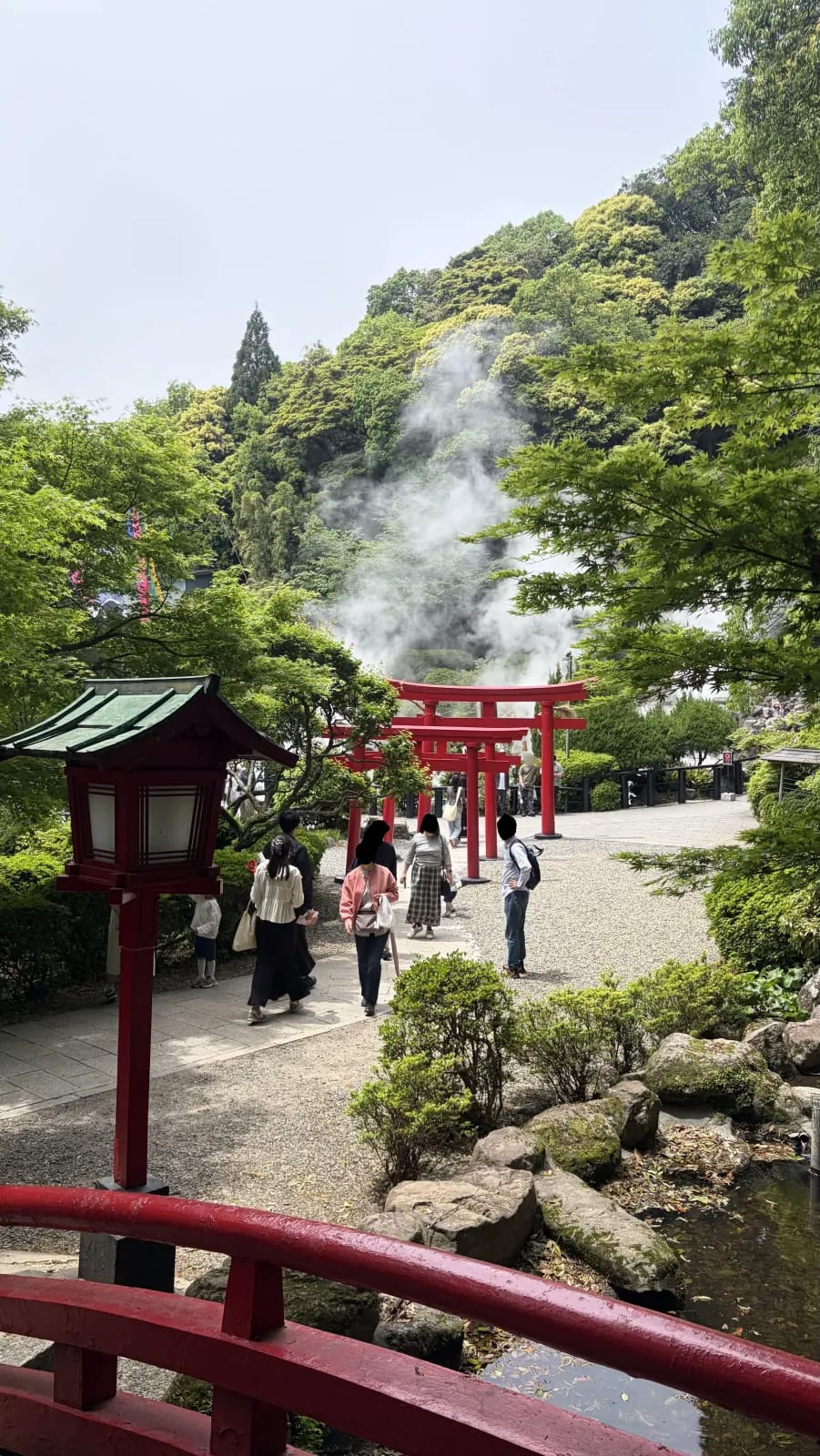
There was also a building, which had a souvenir store on the first floor (which is also called the ground floor in many other places), and a museum about the history of the hells on the next, which also acted as an observation deck of the surrounding area.
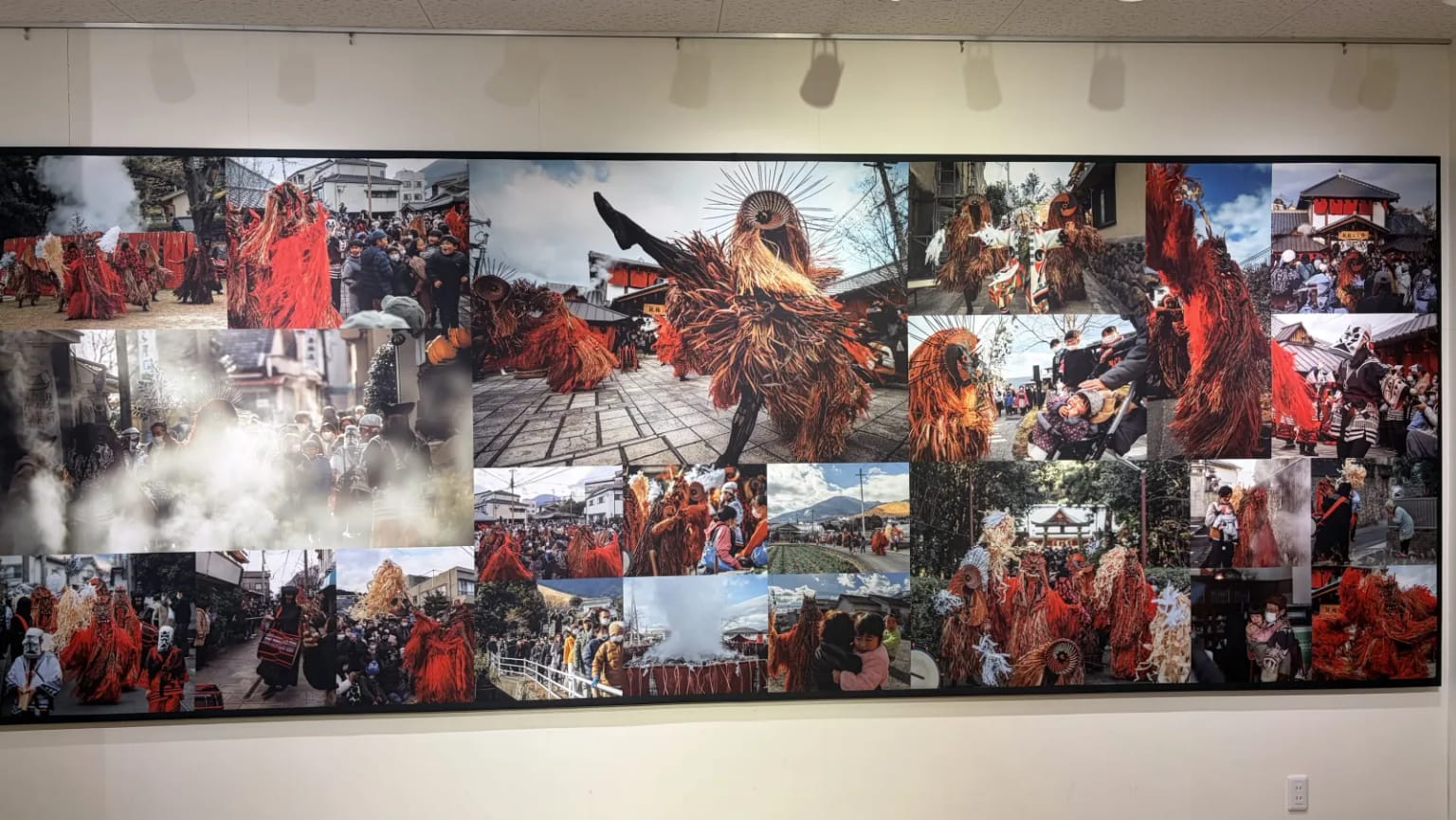
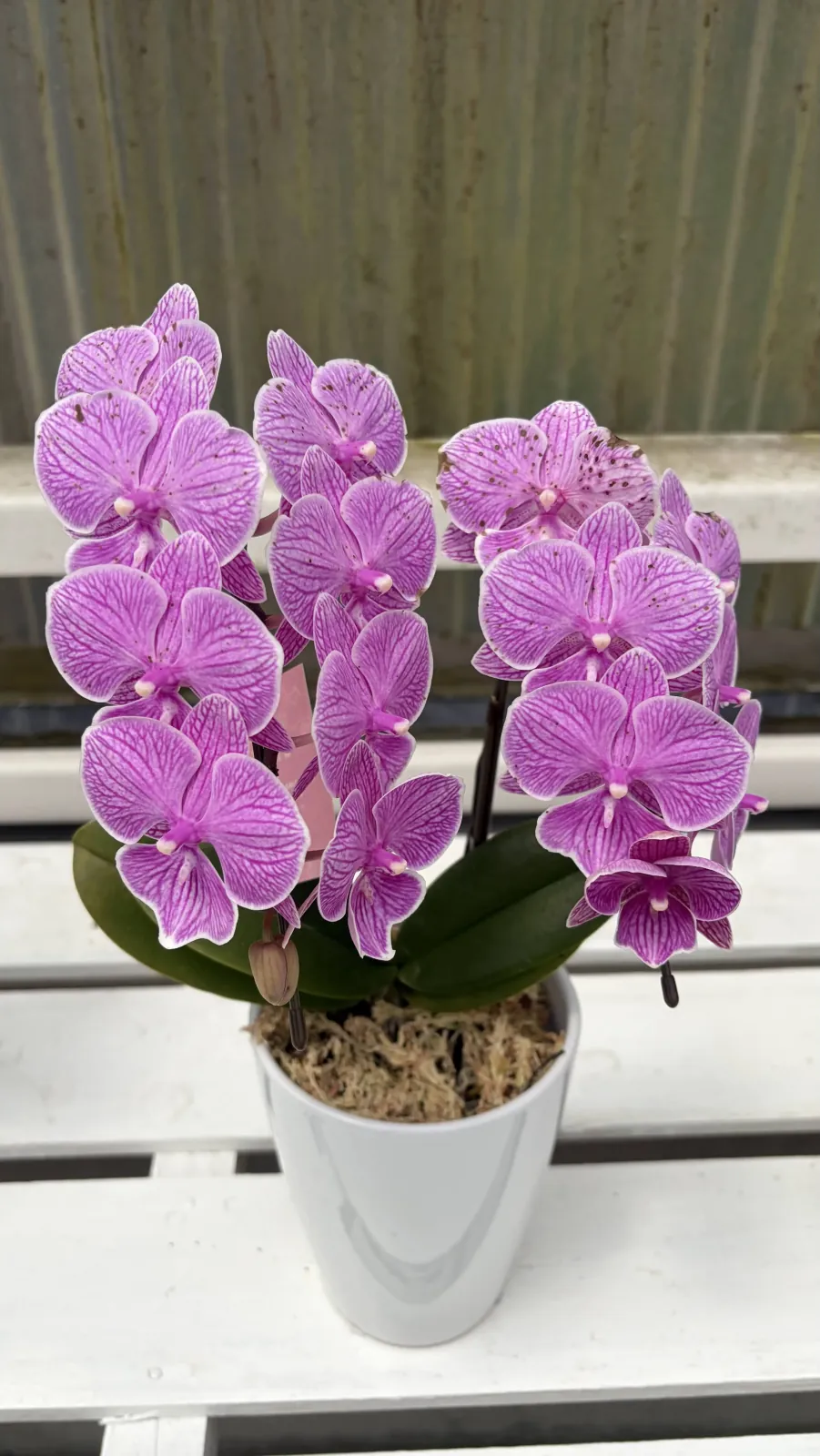
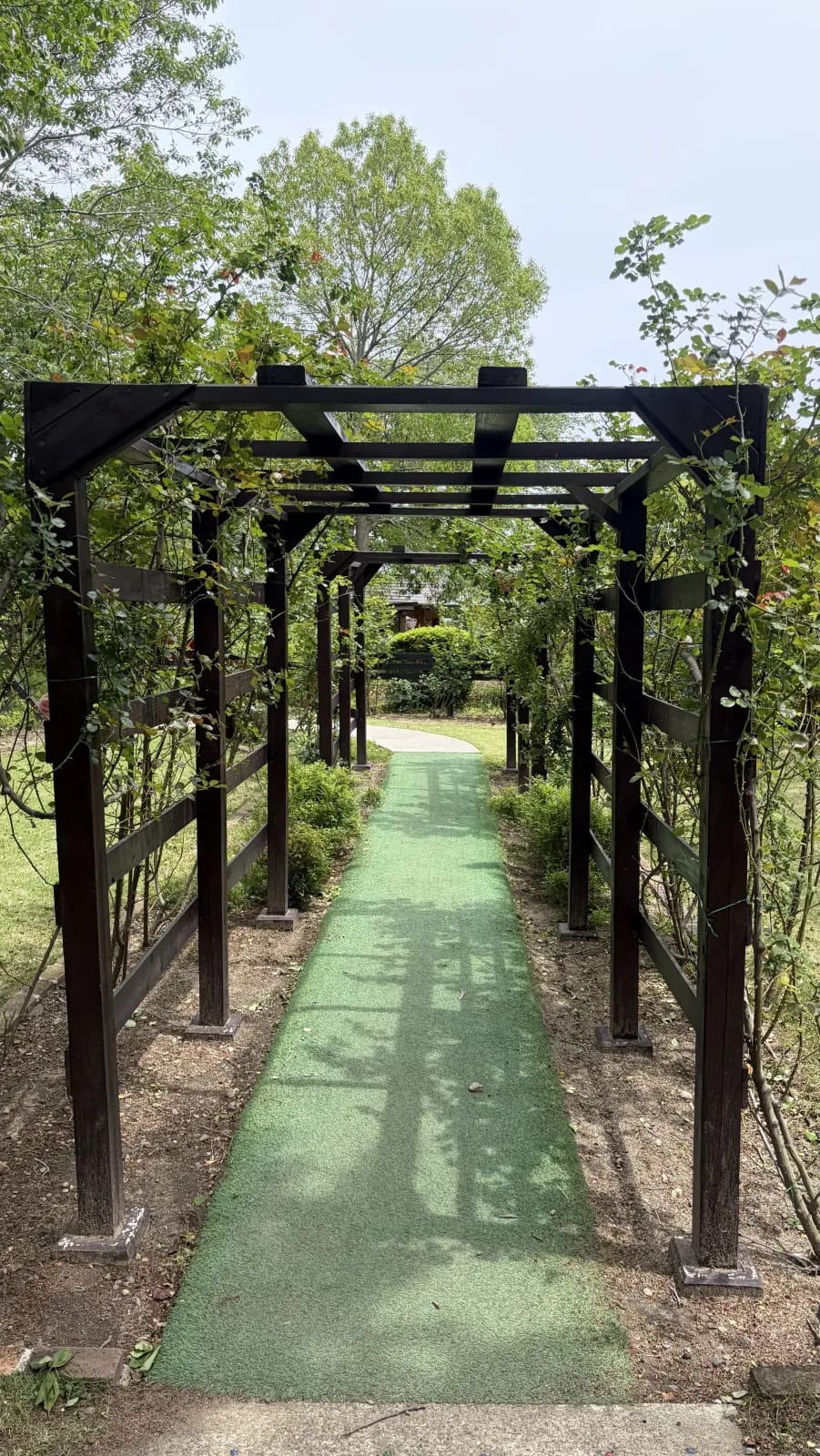
As this was the only area accessible by both types of tickets, it was packed elbow-to-elbow. The greenhouse had several fruits and flower plants in it. There was a rose garden, with many kinds of roses, most of them not in bloom during that time. The foot-bath area was just as busy, with people relaxing their feet in the warm water. At the exit, I ate a type of sweet, that I don't recall what it's called. It was cheap, and gave a quick boost to me to continue ahead. There were some restaurants too, but they were all packed solid, so I moved on to the next hell.
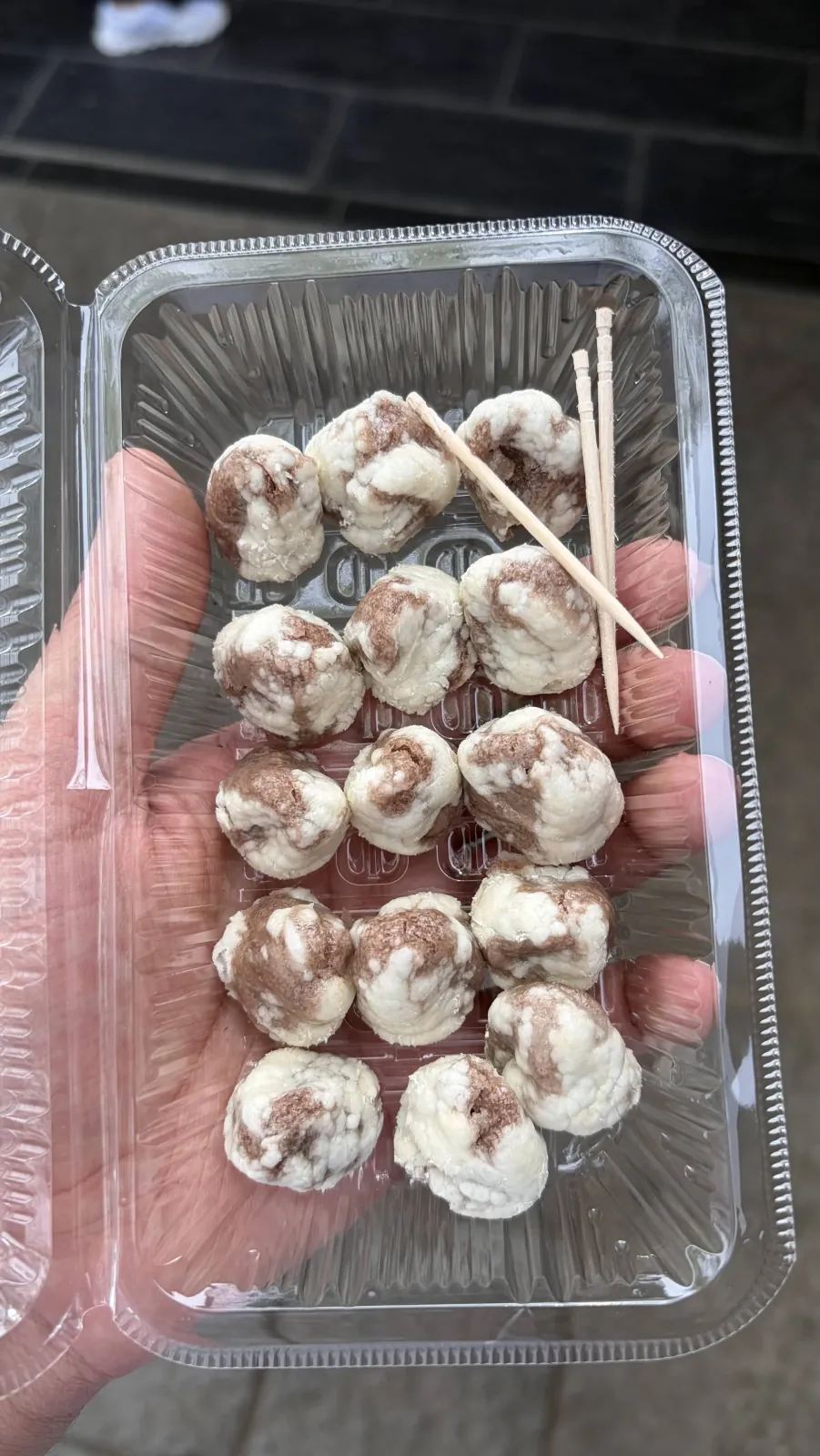
Oniishibozu Jigoku
My limited Japanese knowledge at that time thought it meant demon stone boy, but turns out it doesn't. It actually means bald head of a Buddhist monk, which now makes sense in hindsight. It drew a fraction of the visitors the first hell did, which was a breath of fresh air, figuratively. There were a couple of grey mud-filled ponds bubbling away from the heat below. There was also a small stream of water, and a foot-bath in this area.
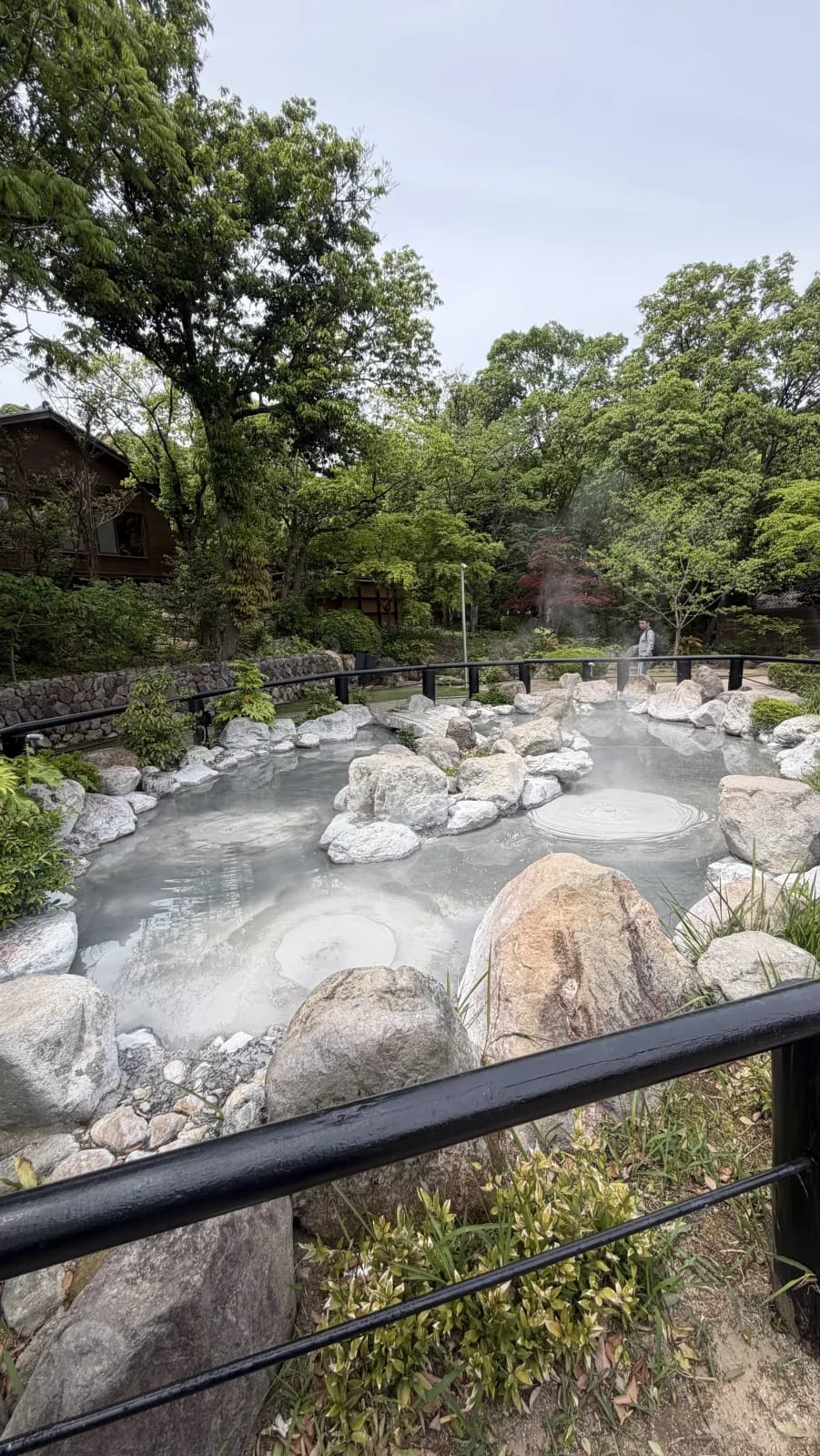
Kamado Jigoku
Fans of "Kimetsu no Yaiba" may know the famous Kamado Tanjiro, and this place did not leave a chance for marketing it too, as the protagonist shares his name with this hell. This one was a bit different than the previous hells in a way that it had a small forest-like trail with little shrines and rock samples leading to the actual hot spring. Along the way, there were also statues of demons. The hell itself looked very similar to the previous ones, but was said to change colors with weather.
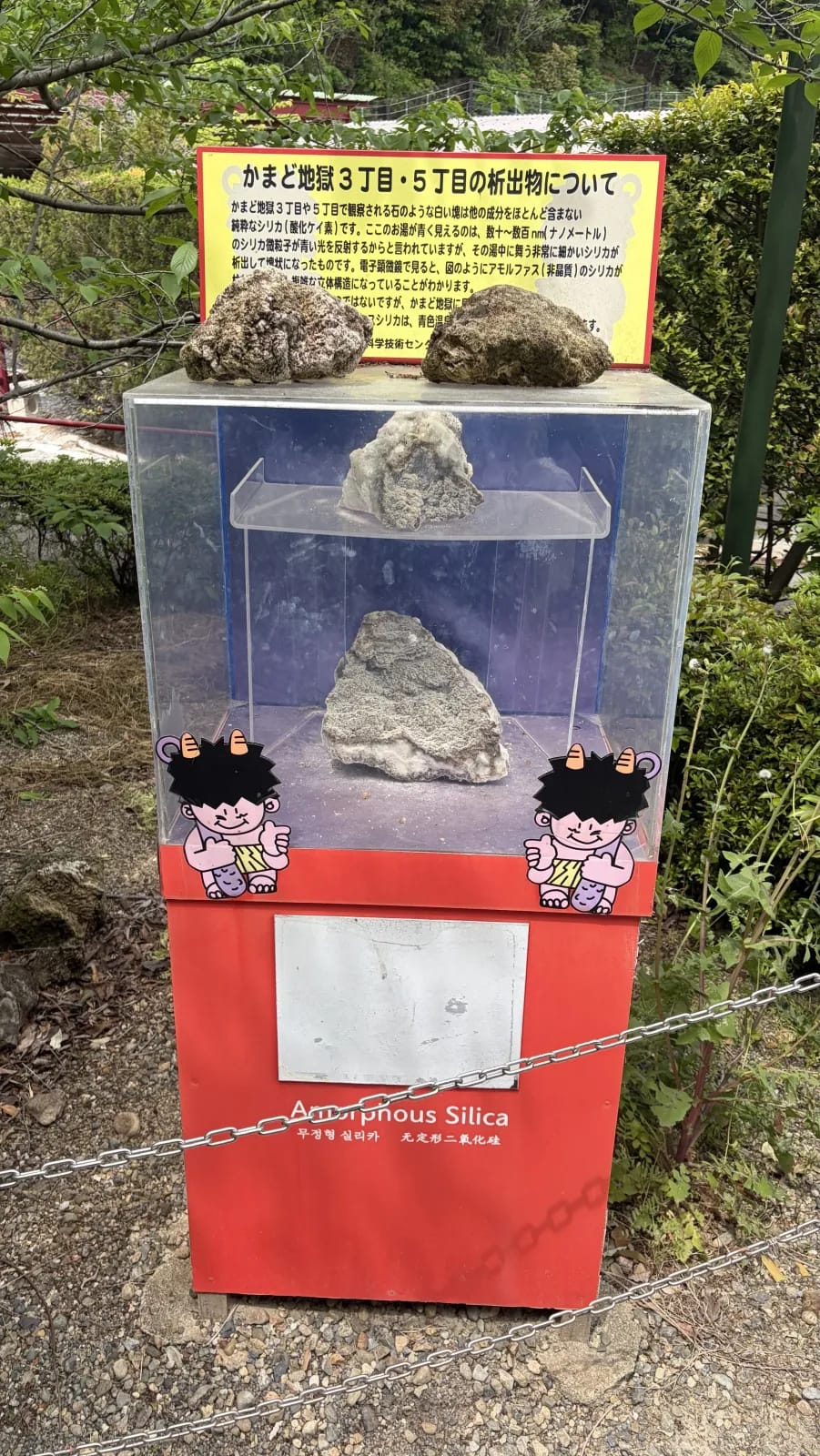
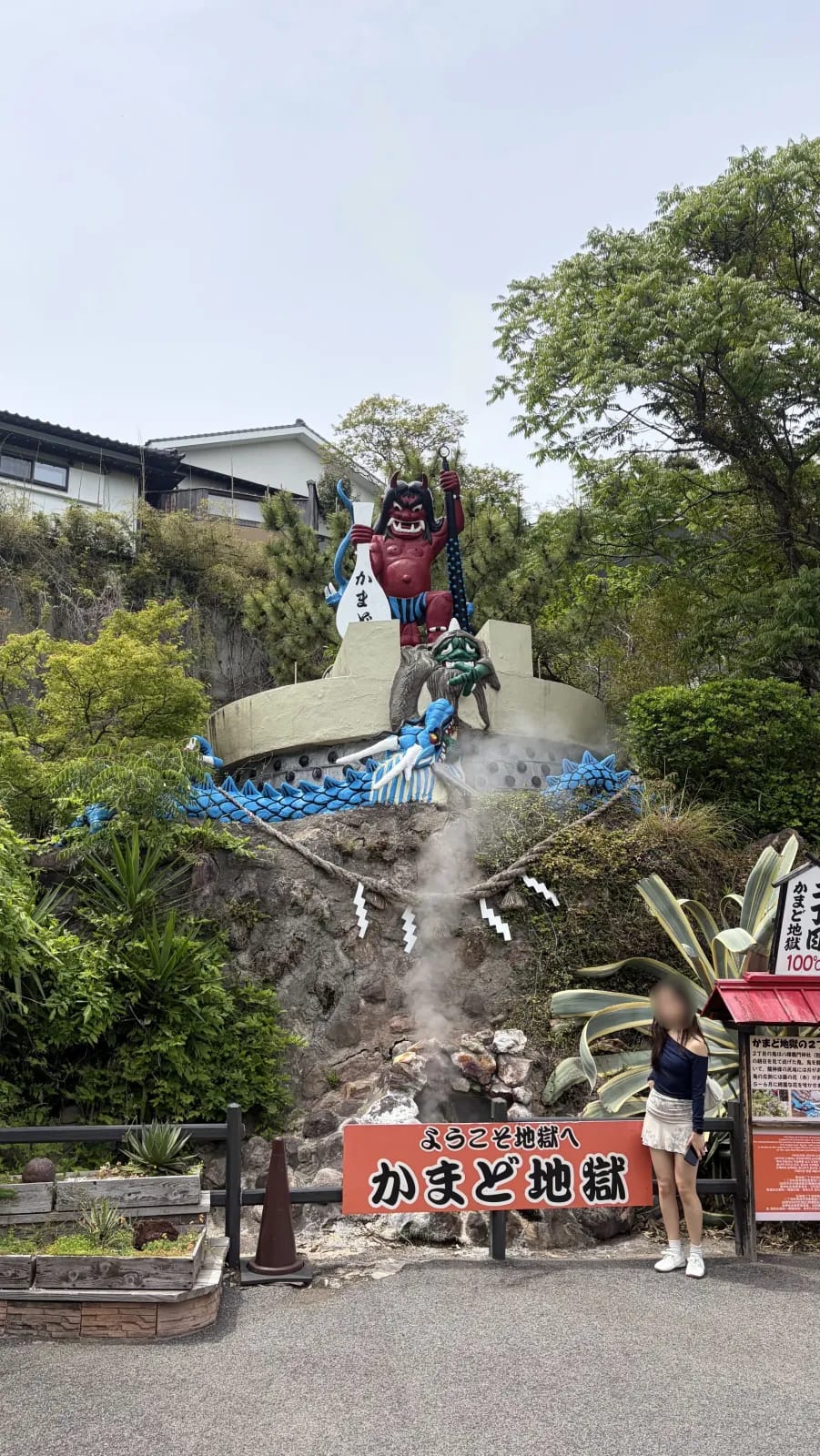
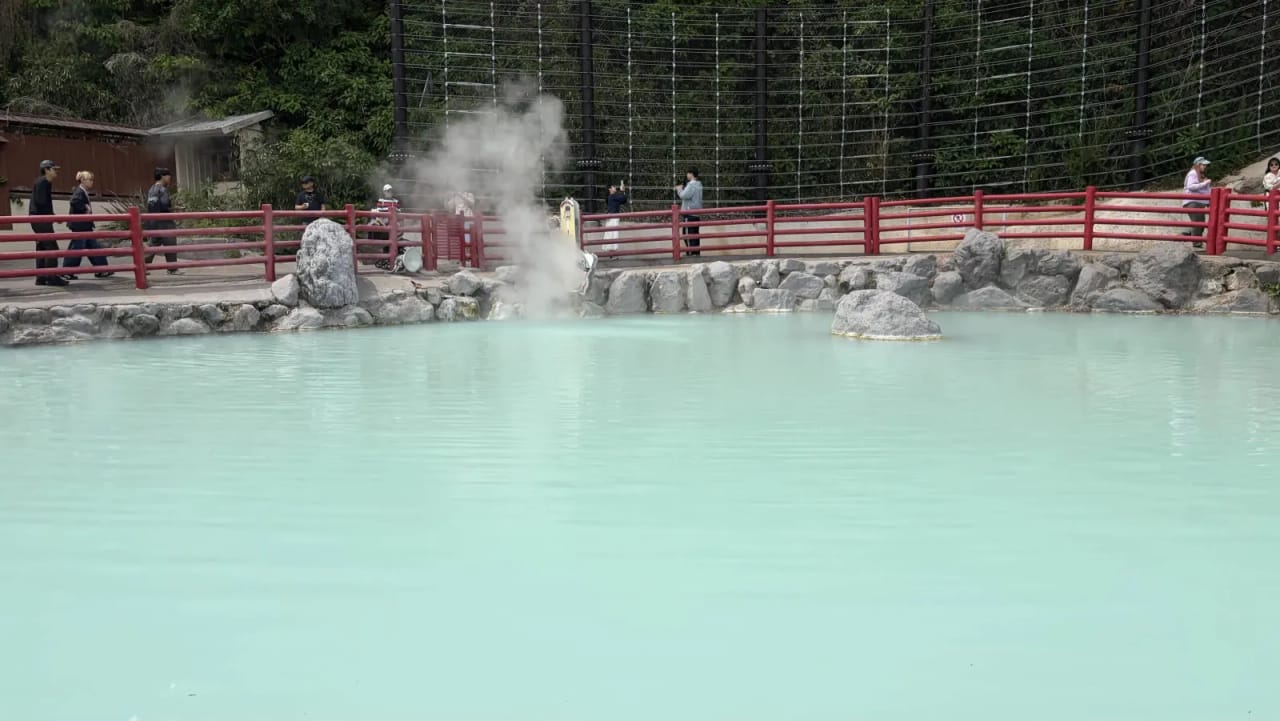
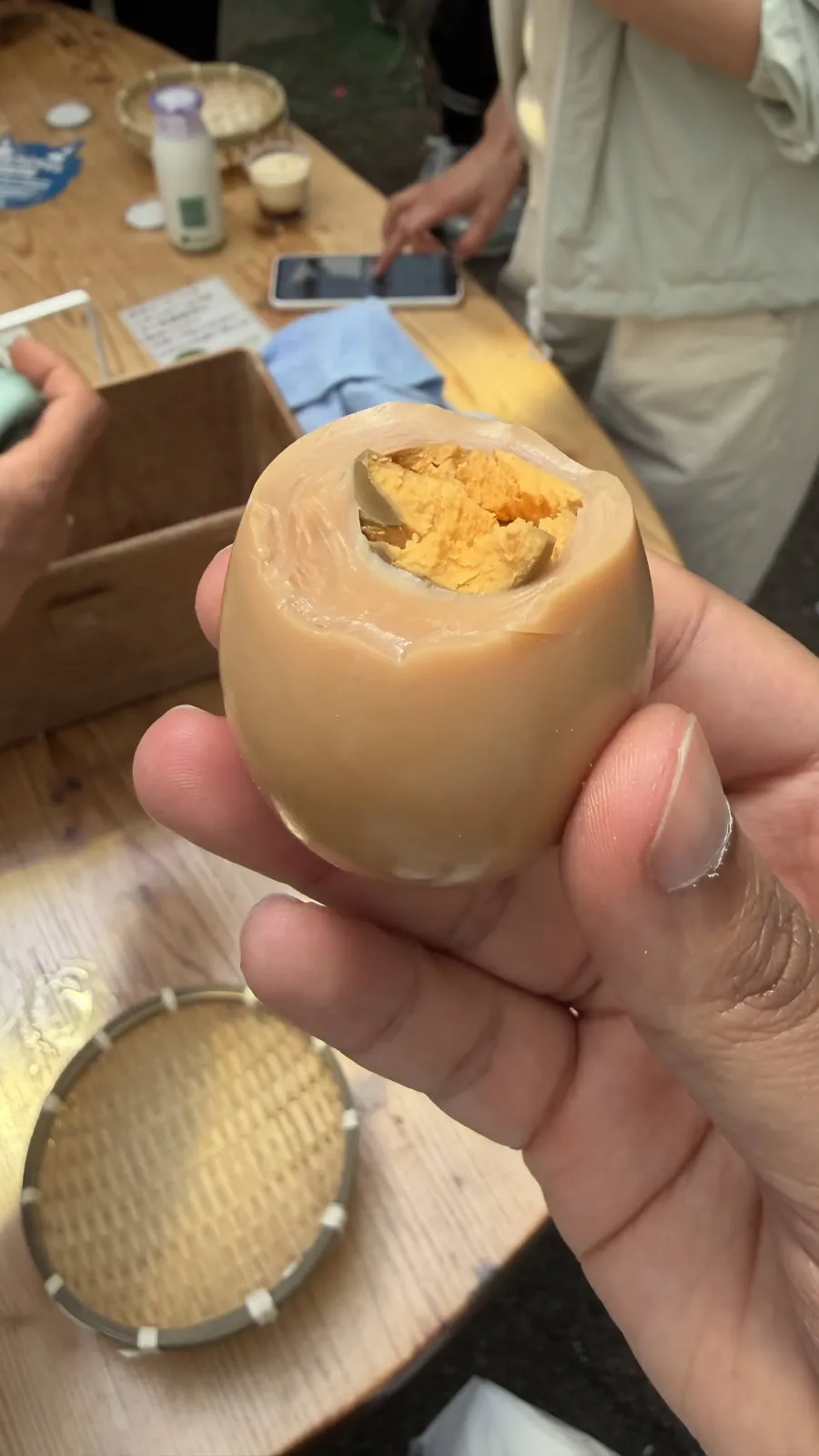
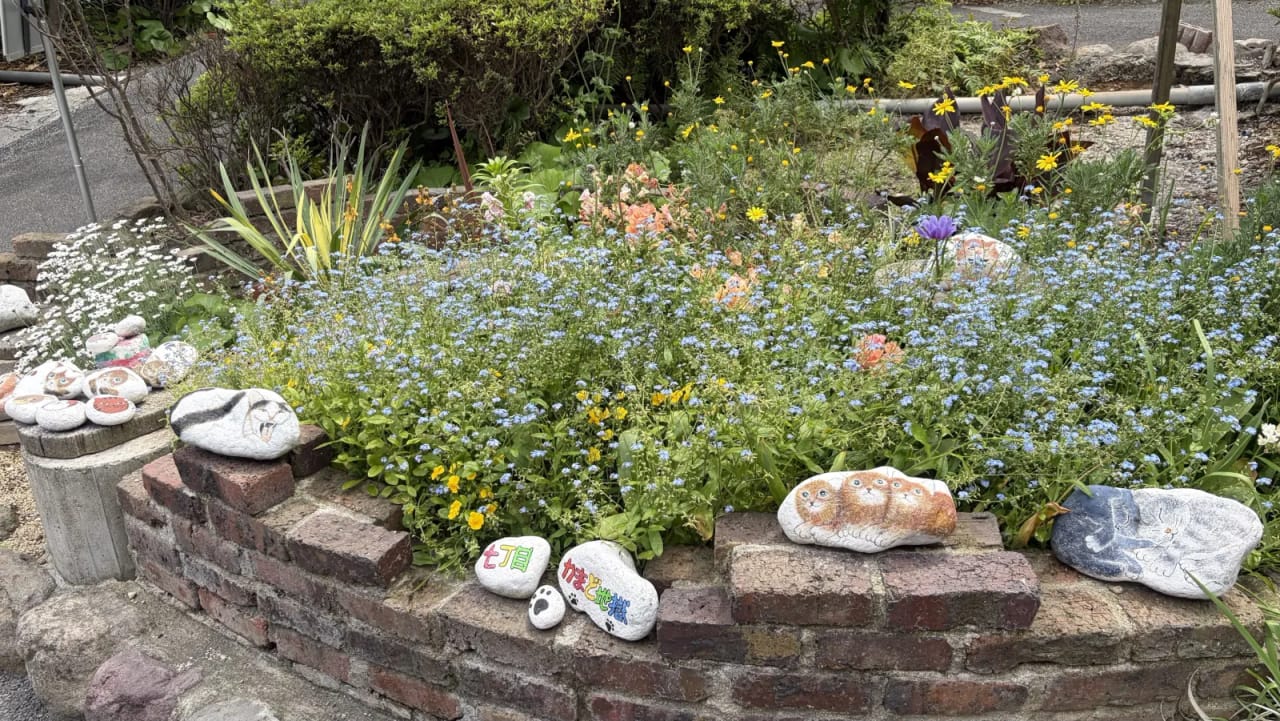
Inside there was a section where you could put your face and feel the steam, and inhale it too. There was a section of drinkable water heated by the hot spring. There was also a food store selling several items cooked directly from the steam of the hell. I tried a boiled egg, which was tasty in a different way than usual boiled eggs for sure, but I have no way of describing the difference in words. Going forward, there was a souvenir store with a section of beautiful flowers and rocks painted as cats.
Oniyama Jigoku
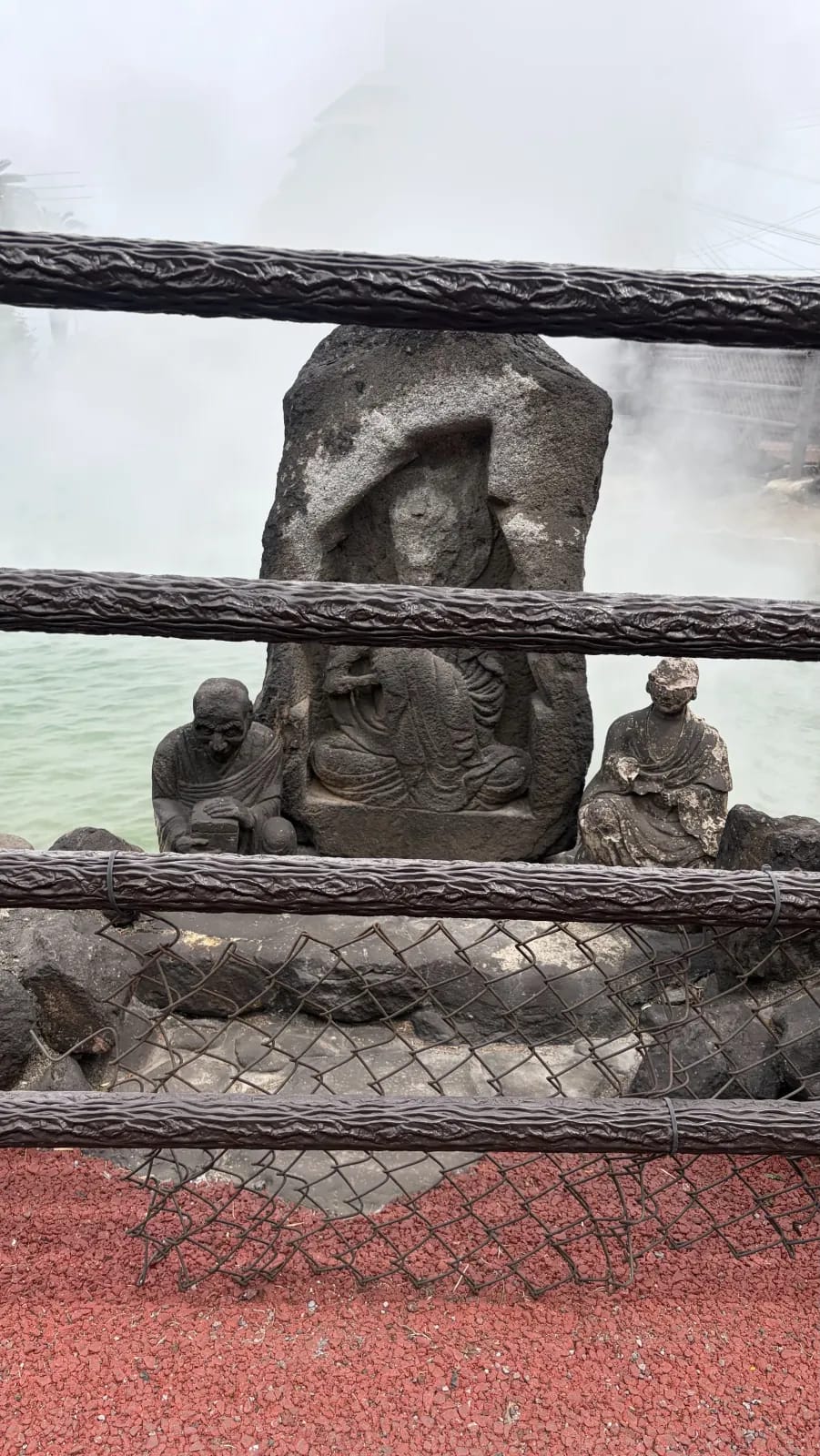
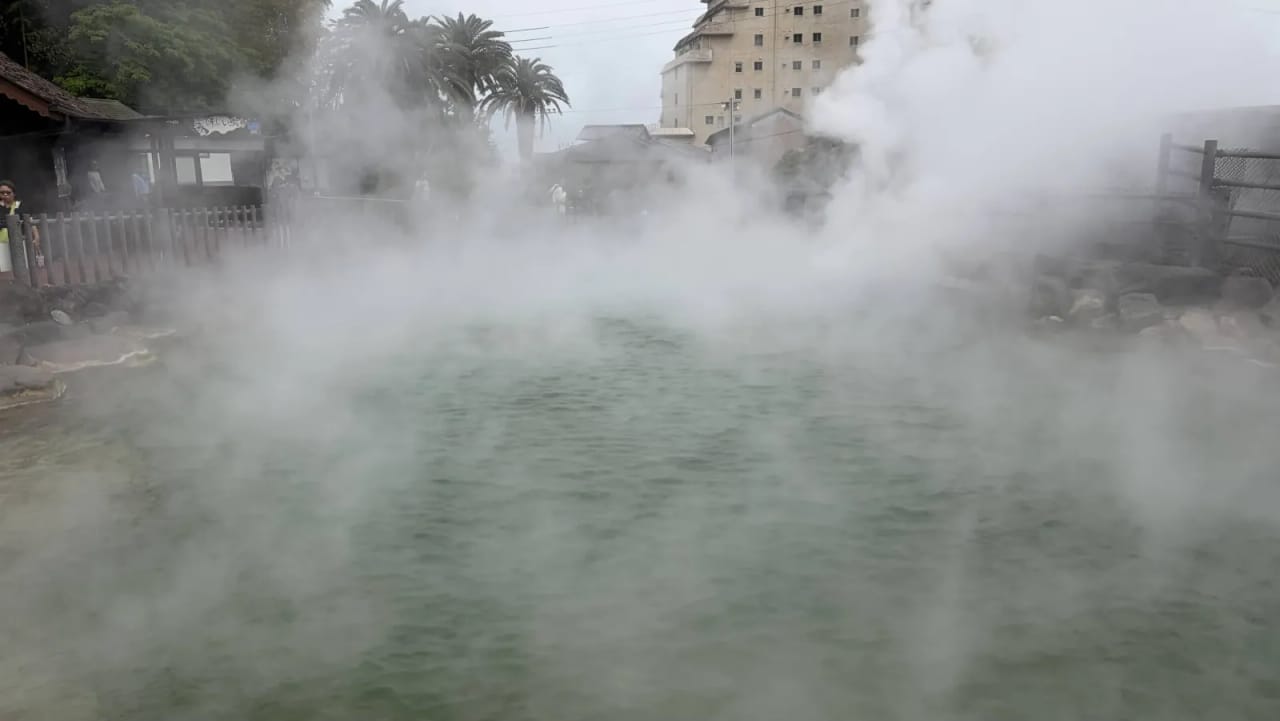
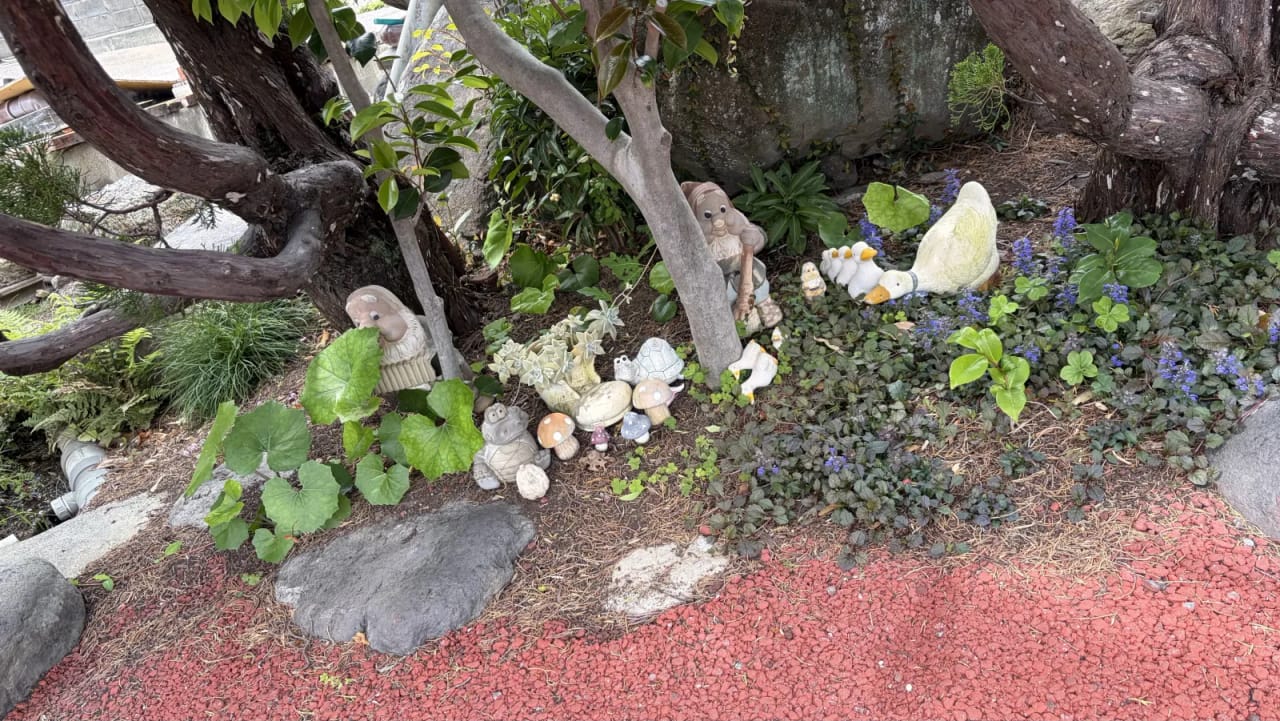
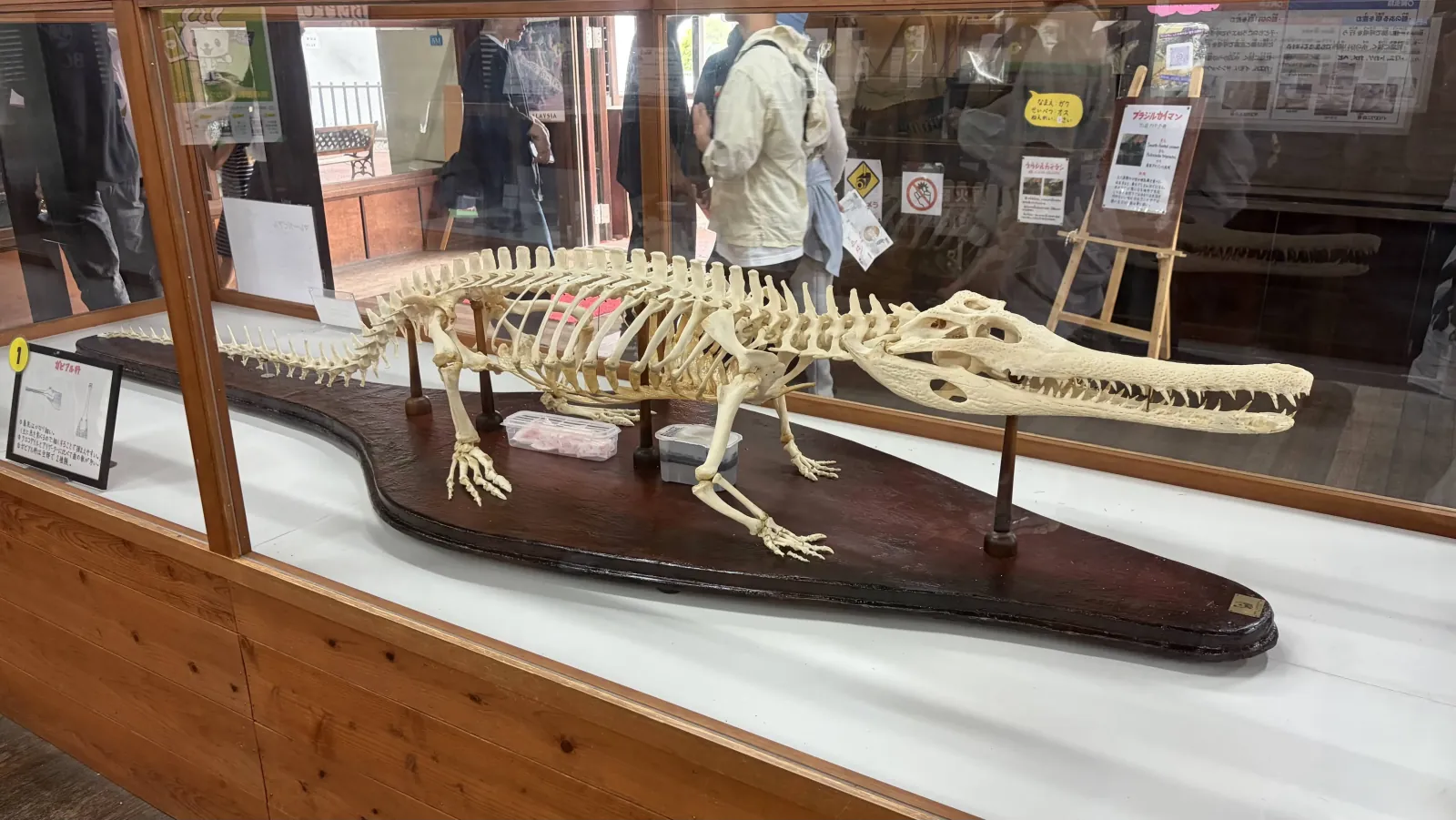
The next one was Oniyama Jigoku, which had a lot of crocodiles there too. It is said that it is perfect place for crocodiles, and was a breeding spot for them (source, the museum inside the area). This hell had clear water, and a lot more steam due to the temperature being around 99°C. There were also (possibly forgotten) deities and clay geese around.
The museum was dedicated to crocodiles. Their history, specimens, and other facts were present here. Outside, there were several crocodiles in cages. Most of them were not active, but I assume that's how they usually are.
Shiraike Jigoku
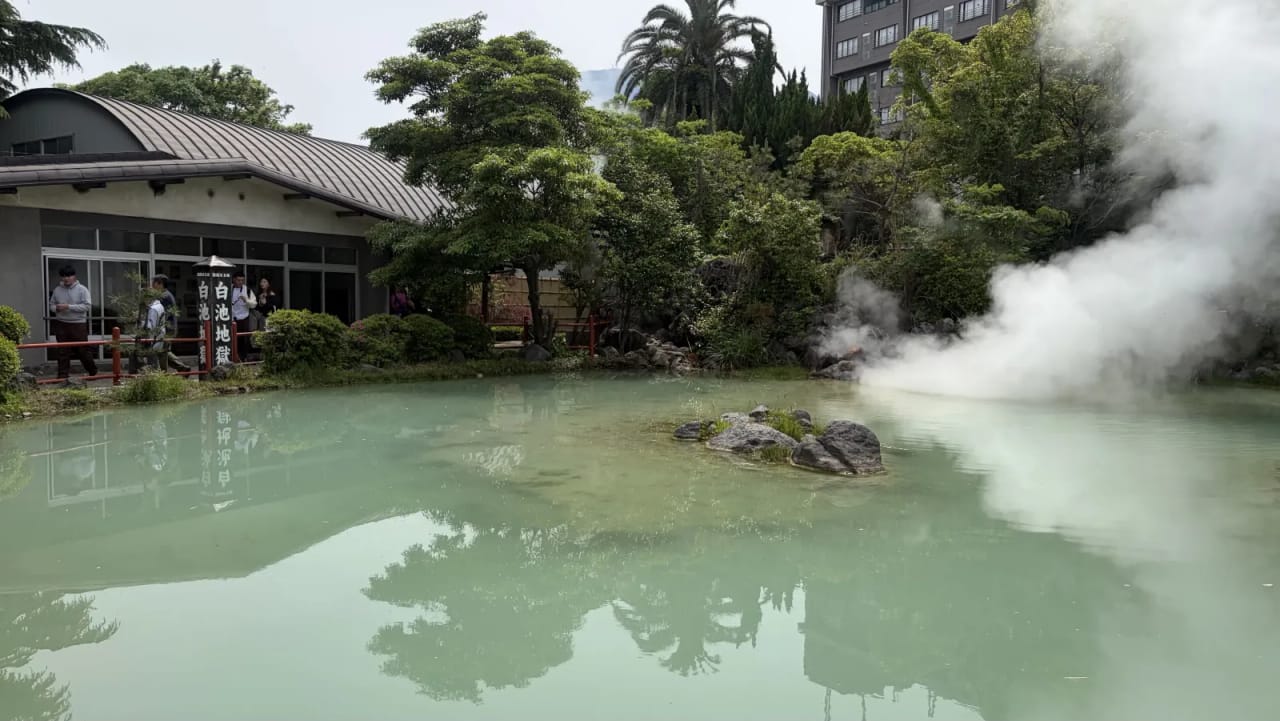
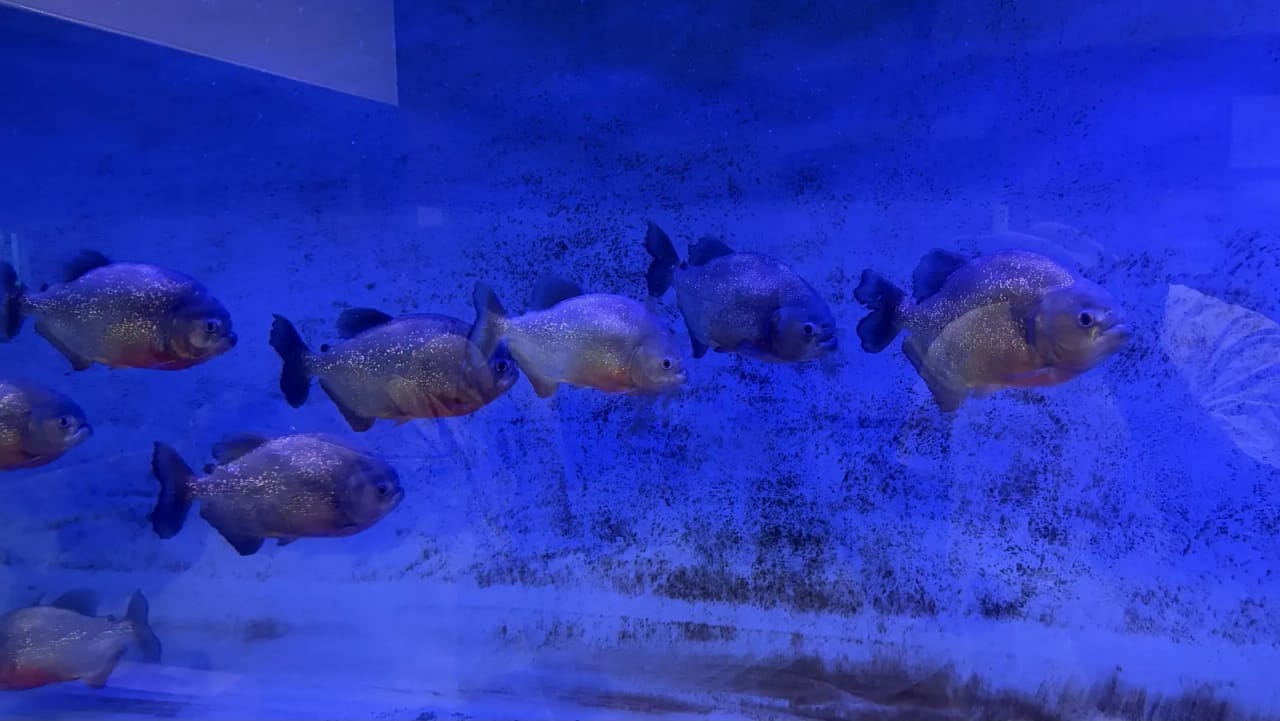
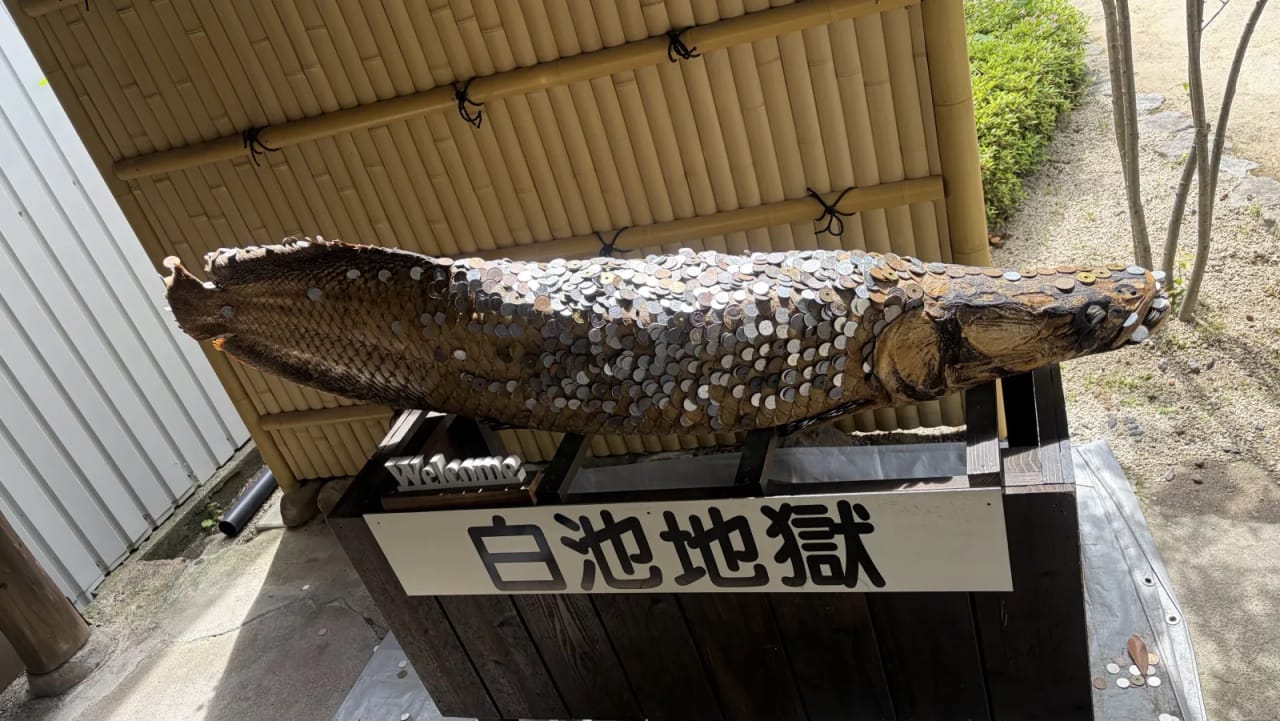
The next hell is called the white pond hell due to its greenish-white tint. There was a Japanese-style garden there, and an aquarium as well. This aquarium had many tropical fishes, including the piranhas. There were also some huge fishes there. At the exit, there was a small statue of a fish. People stuck coins on its scale for purposes, I assume, related to good luck.
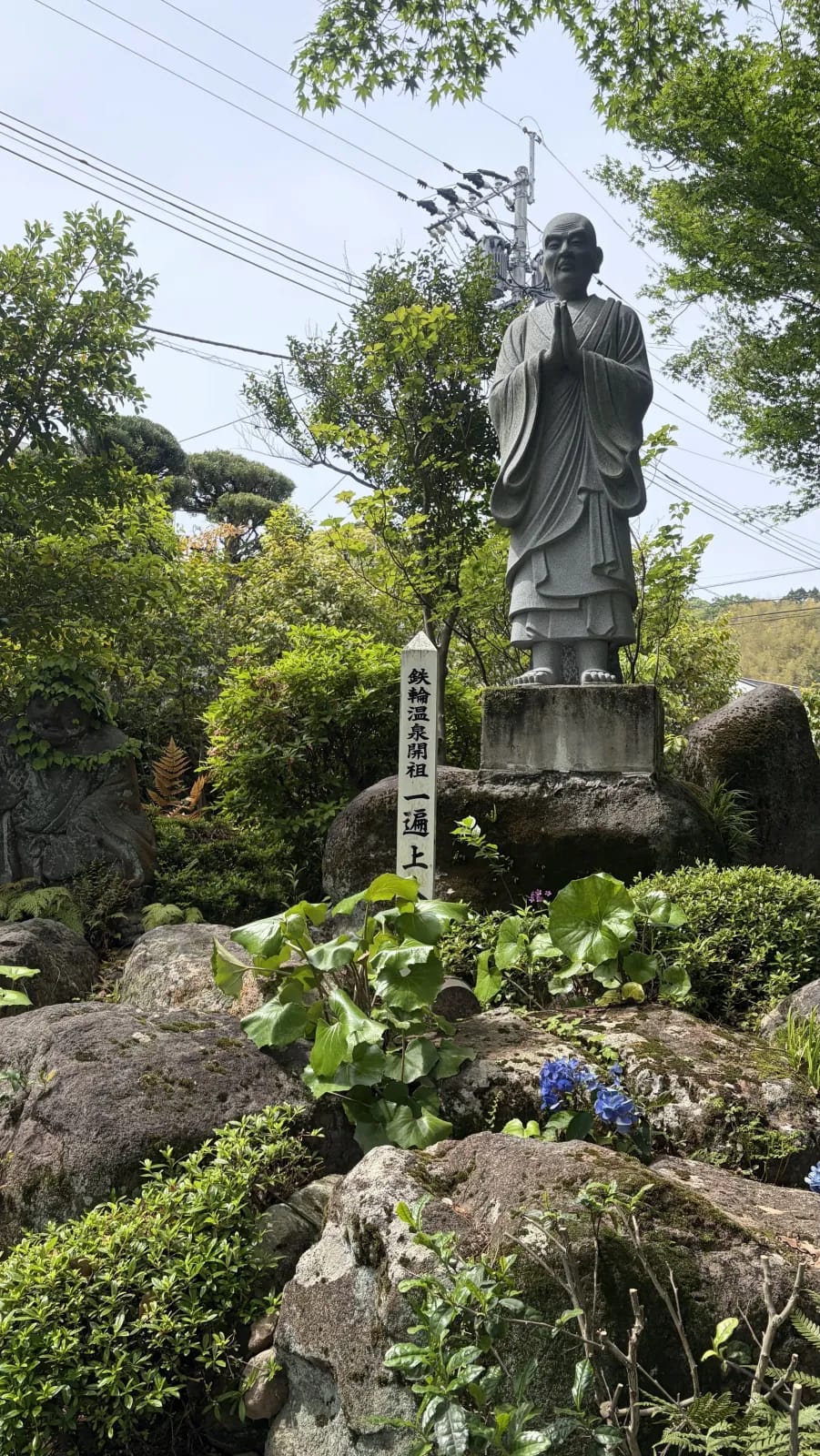
Chinoike Jigoku
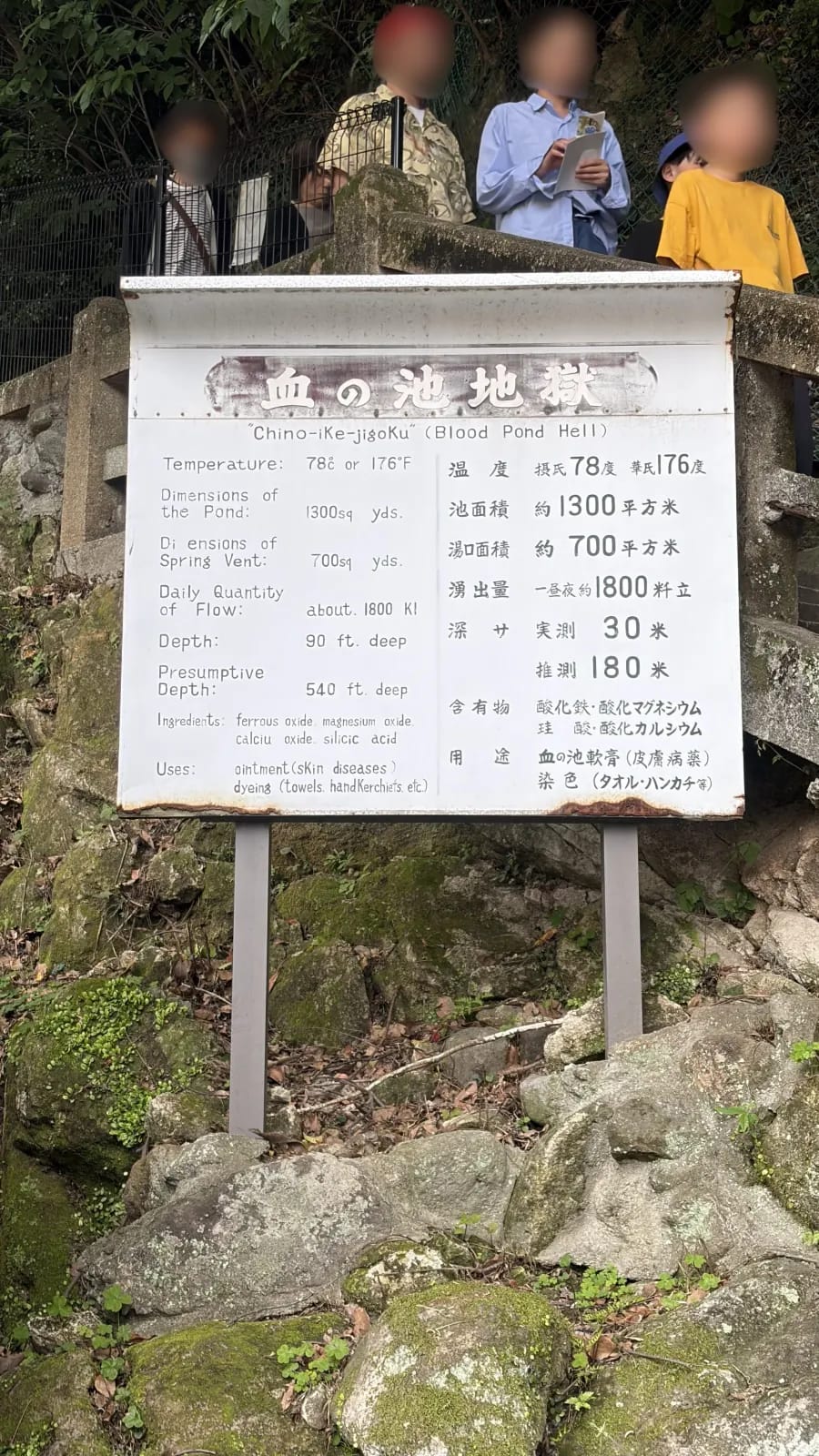
To get to this next hell, one had to take a 10 minute bus ride from the last hell. This hell had a huge red clay hot spring giving it the name of blood pond, and was said to be one of the oldest and deepest. there was a thin trail along it, which gave a nice view from above, and a store that had cosmetics and soaps made from the mud from there.
Tatsumaki Jigoku
Tatsumaki means tornado and this hell seemed like that. This hell was a geyser instead of a hot spring, and it erupted every few minutes. The entrance was a souvenir store, and from there was the main area. The spot from which the geyser erupted had a roof as it could shoot several meters high and cause burns, as explained in the announcements. The observation area was a stair-cased open-theatre like place. Between the eruptions, they organized some fun events for the folks. That day it was two-round rock, paper, scissors with the two Oni (demons), with a small present for the winners.
The eruption of the geyser was intense. It lasted for 7-ish minutes. This marked the end of my Jigoku Meguri trip, and it was now time to go back. There was a bus that drove every 40 minutes or so, and seeing the crowd, I decided to take a taxi back.
Beppu Tower
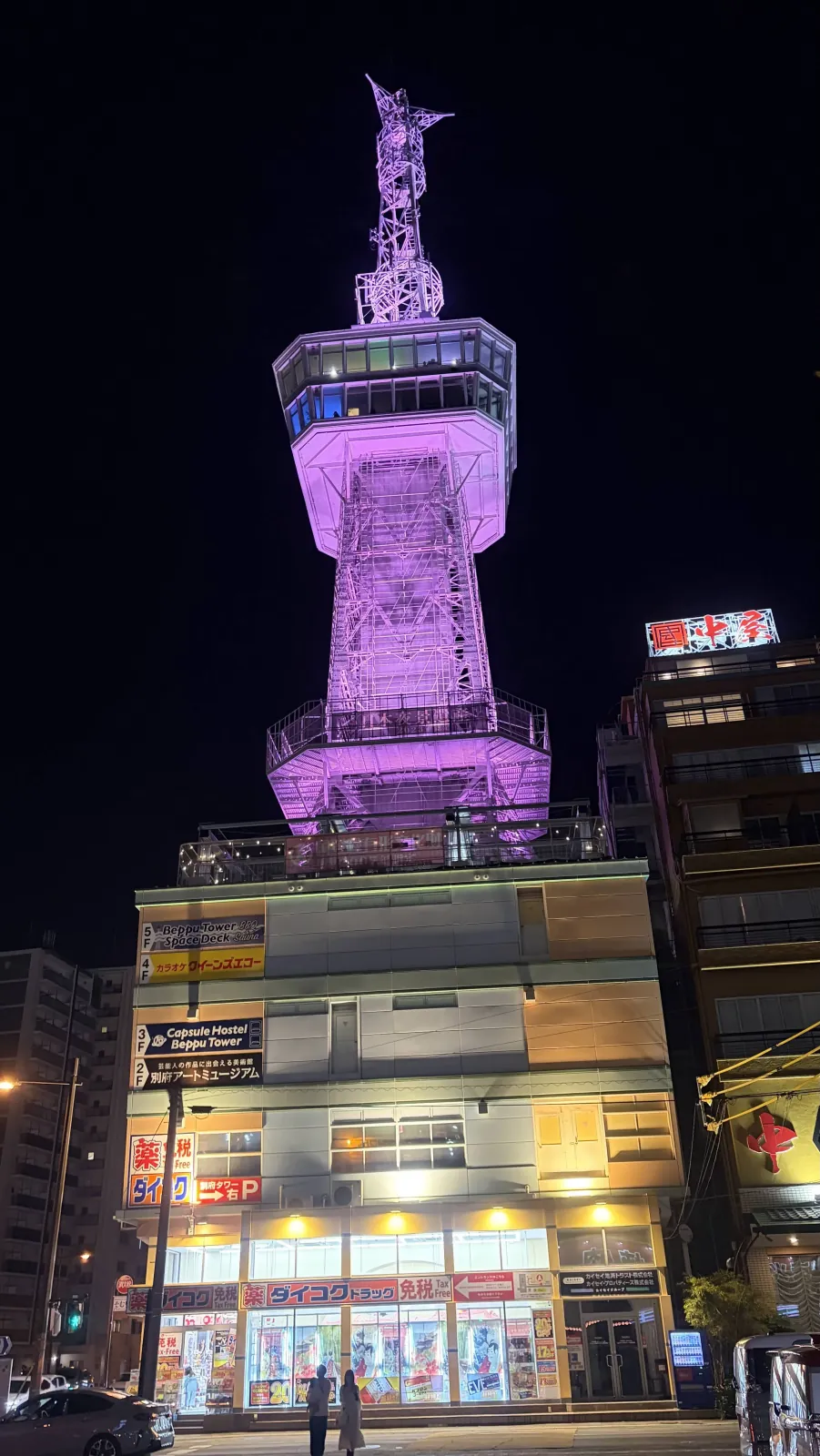
If anything, I became friends with all the towers in Kyushu. Beppu tower was way less high than Fukuoka tower, but was beautiful in a way that it was close to the shore, just a couple minutes away from my hotel, and had great views. I got a ticket for the art museum and observation deck.
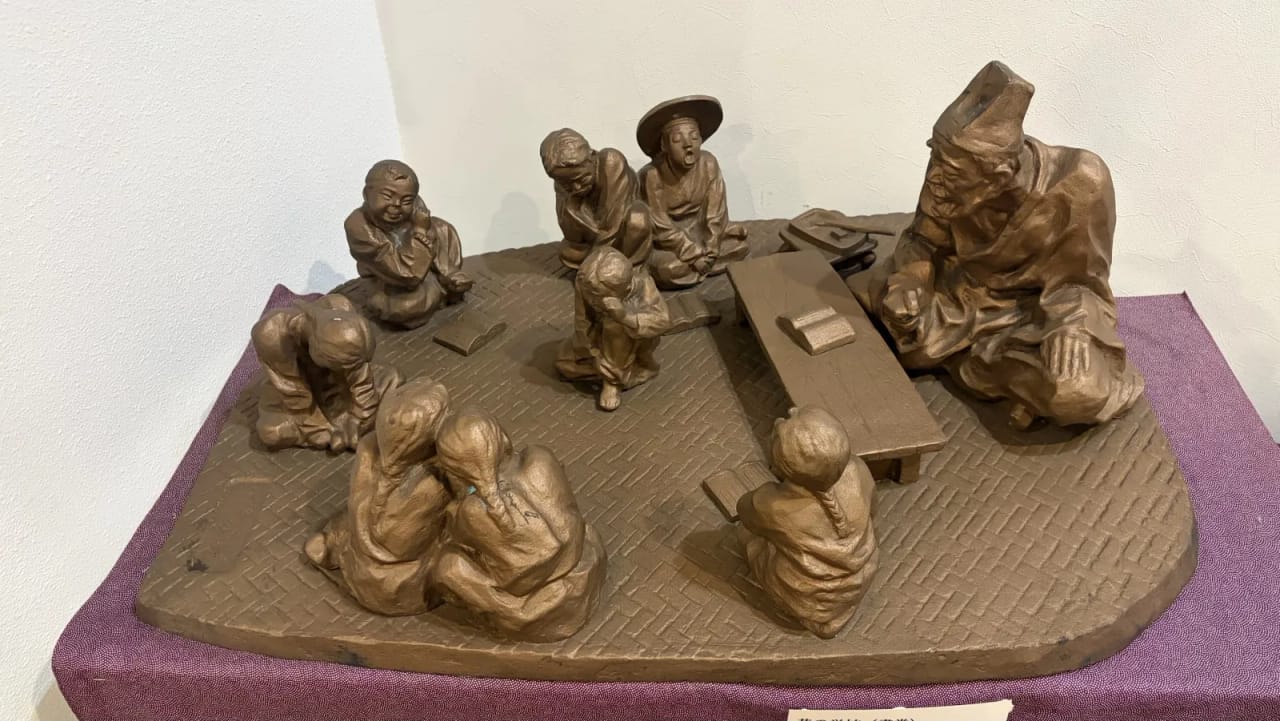
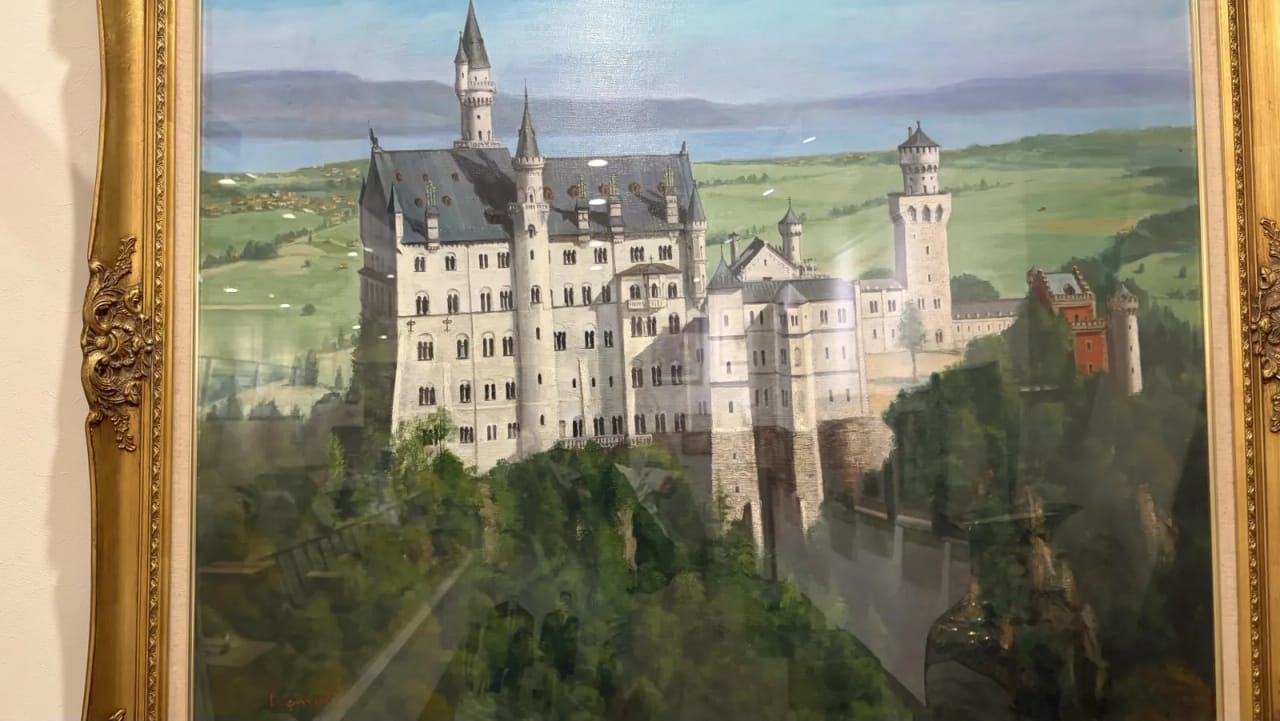
The art museum had some very beautiful paintings from local artists. There were both Japanese and Western pieces. I'm in no way an art expert, but watching all these paintings was amazing. Some of them were very detailed, while some of them were very abstract. There was also a section in the corner that served as the museum store, which had beautiful postcards, bookmarks, notepads and other stationary items inspired by the art of the museum.
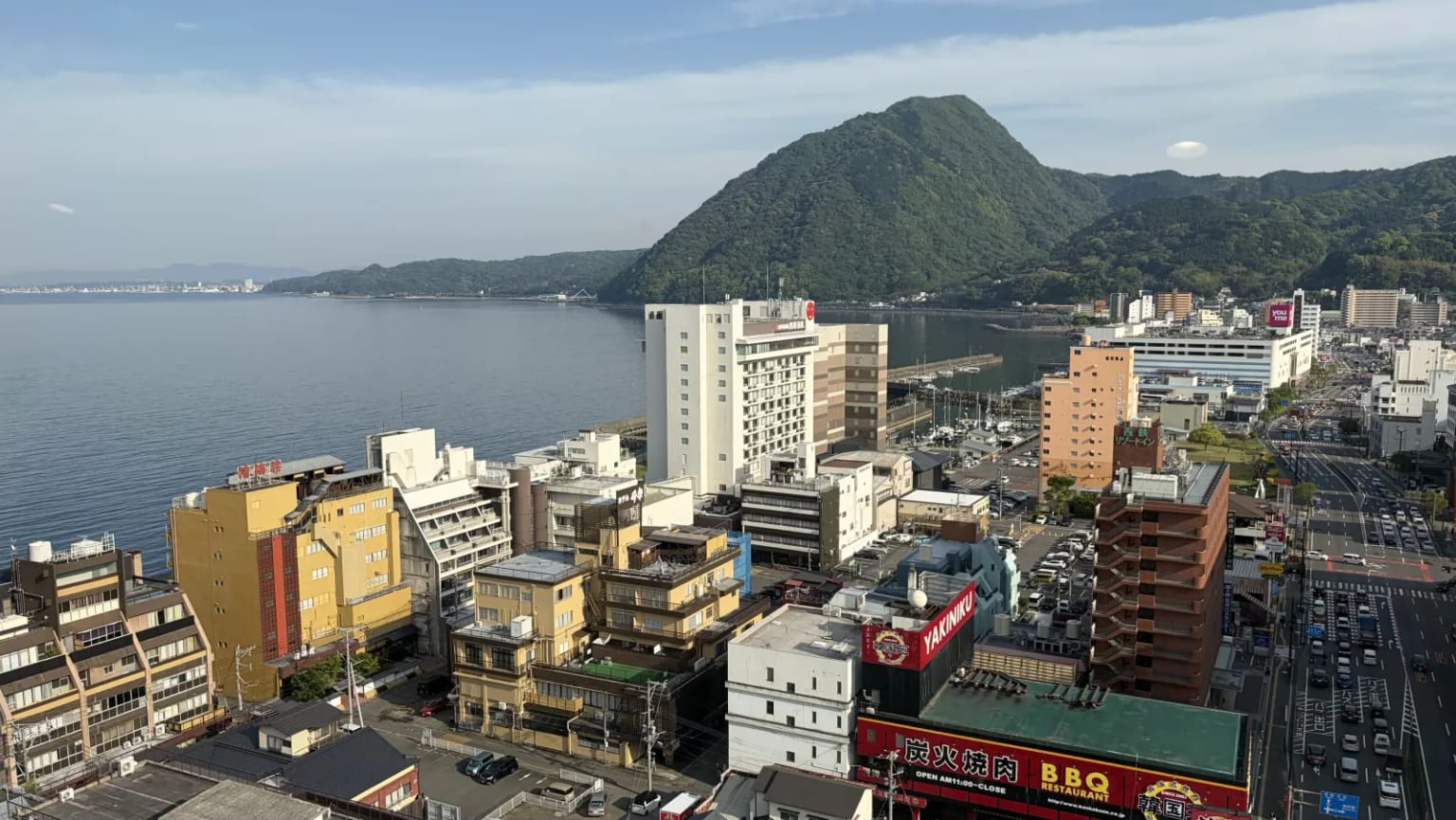
The observation deck spanned two floors, where one floor was dedicated to just observation. One could see the sea, city and the mountains from there. The view during my visit was perfect with the evening sun giving a natural golden glow to everything. The other floor was part observation deck, part shop, which sold many goods related to the tower.
At night, the tower shone brilliantly. There were several chain restaurants around, but the thing I was aiming to eat was a local specialty called Toriten, which is tempura but instead of shrimps or vegetables it had chicken. There was a small wooden restaurant named Takachan run by an elderly couple close to the tower which sold toriten, and its bento sets. Unfortunately for me, they were take-out only at that time, but I had no issue as my hotel was nearby. That toriten was so soft and juicy, unlike karaage or fried chicken that is usually a bit on the tougher end.
Peaceful Nagasaki
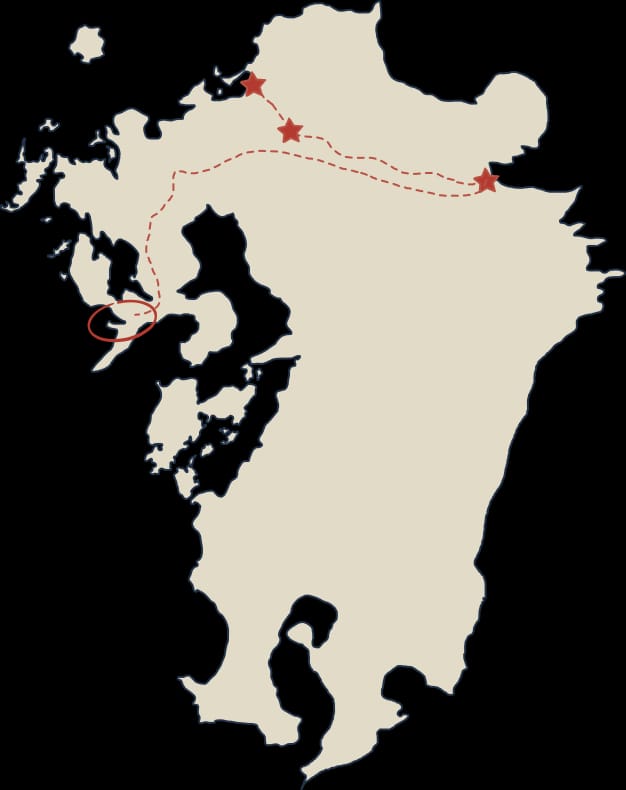
The next day, I woke up early and it was time to get to my next destination, Nagasaki. The tone of this trip was about to shift for a bit, from hot springs and mascots to something far more sobering, but that's the reality of a Kyushu itinerary. This is when I realized I didn't plan my travel well, because to go there, I had to go to Fukuoka back, and change trains there. I could have planned the other places that were convenient from Beppu, but oh well. It was a pretty decently long travel to Nagasaki but there I was.
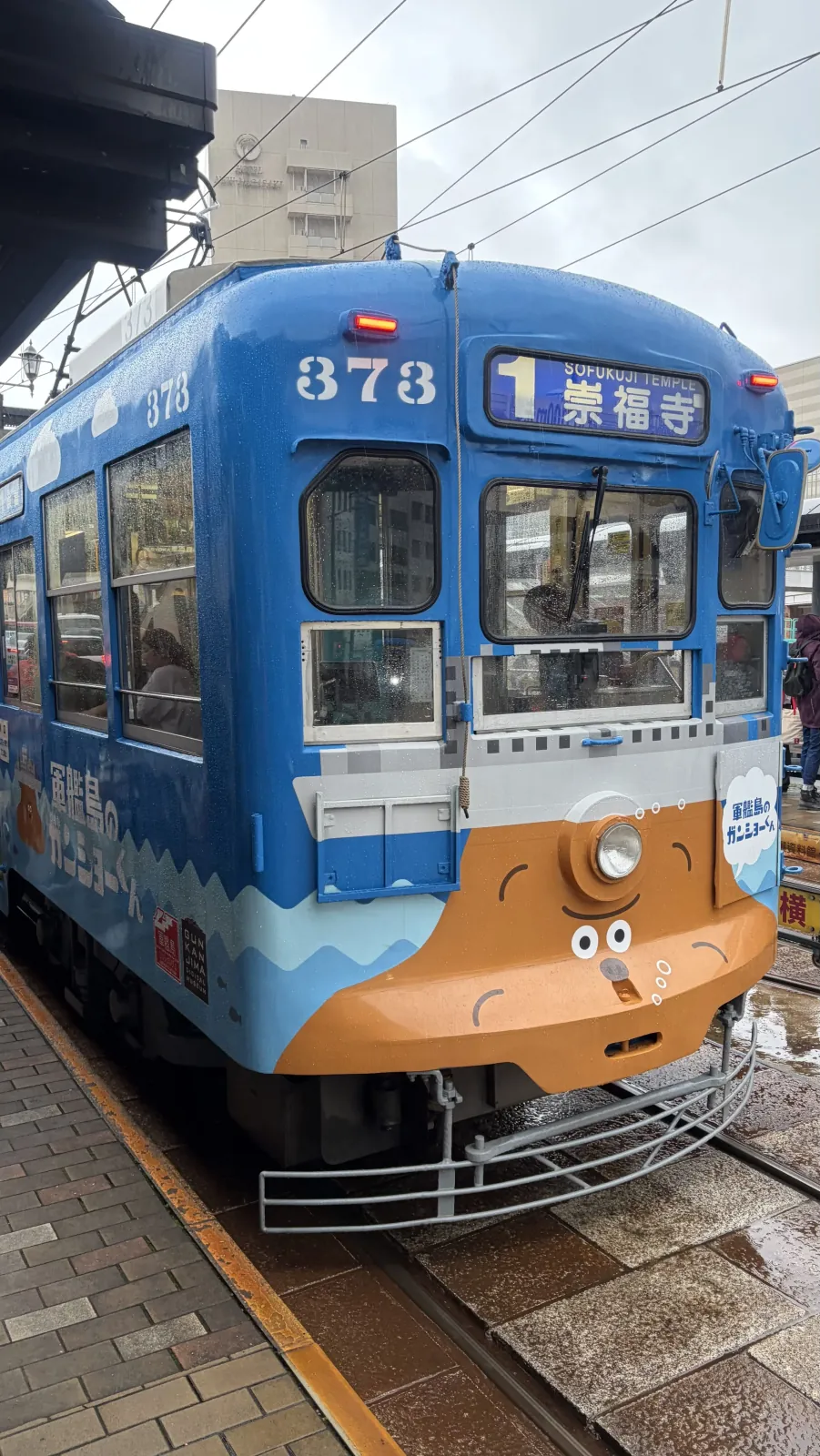
As a child, I always had my speculations about what kind of place Nagasaki would be. Would it be safe to be in the city or not. So I did some research during my transit. And it became pretty clear that if it wasn't safe, it would never be able to rebuild itself. Exiting the Nagasaki station, one can see that the primary mode of transport there were street-cars (or trams). Traveling in a tram on a rainy day gave a feeling of old school japan.
Atomic bomb museum
I then visited the atomic bomb museum. The place had a lot of visitors, both local and foreigners, as well as school-trip groups. The entrance had several paper-cranes which were a symbol of peace. These cranes were donated by different groups.
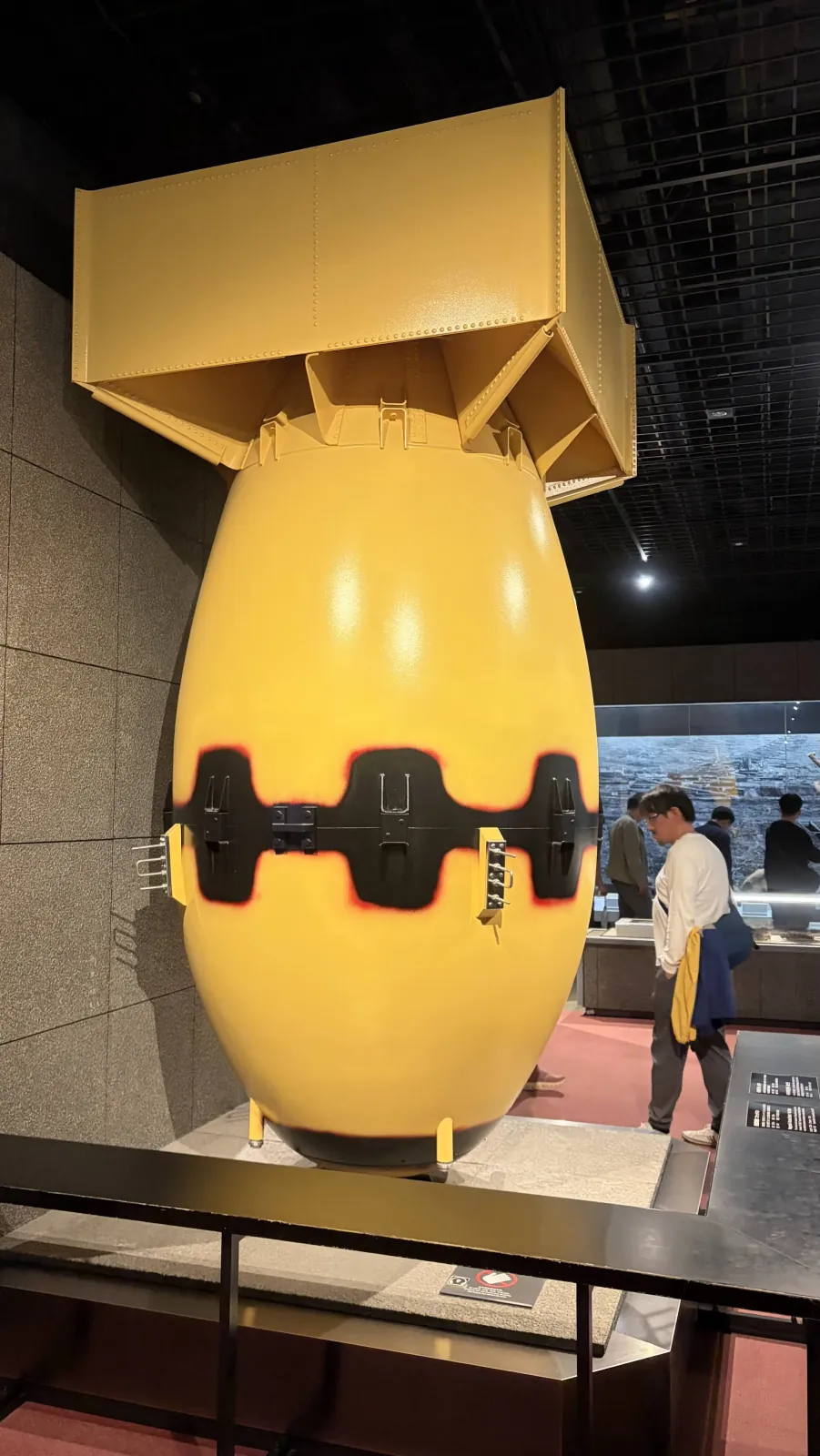
The museum had the remains of the infrastructure damaged in the bombings, along with remains like clothing and everyday items of the affected people. There were depictions of the bomb that dropped and its 1-1 model.
There were also stories of people who were directly affected, and their family members: their immediate thoughts just after the blast, the long-term societal stigma surrounding them, and the emotional and economic difficulties they faced. It was very moving.
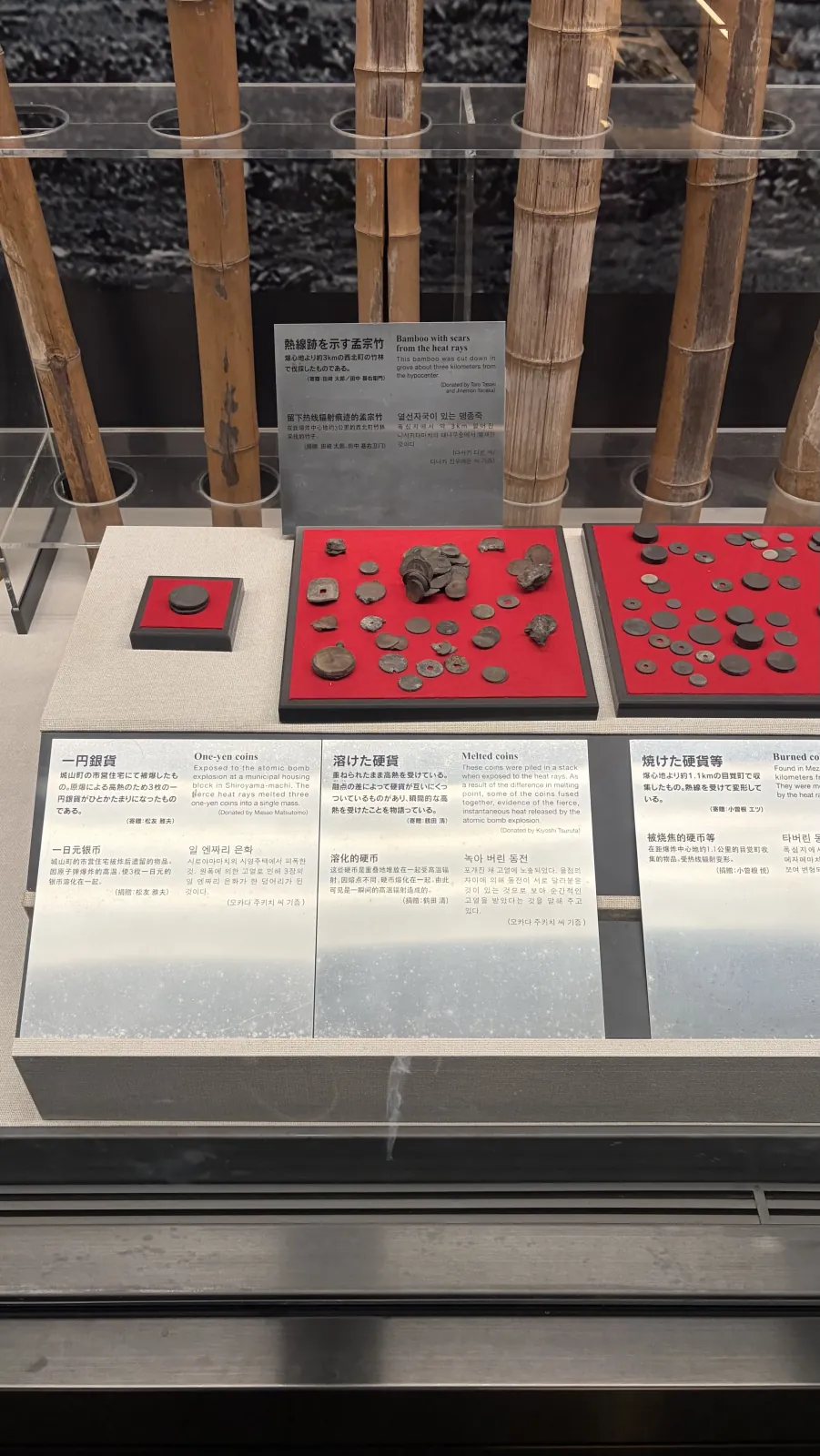
Moving on, there were audio recordings and handwritten letters of the same too. There was a whole timeline starting from the genesis of nuclear weapons to the current time, which showed how many weapons each country had, how many tests were done, etc. There was also a theatre that showed an old clip of an animated movie that showed the events of the same.
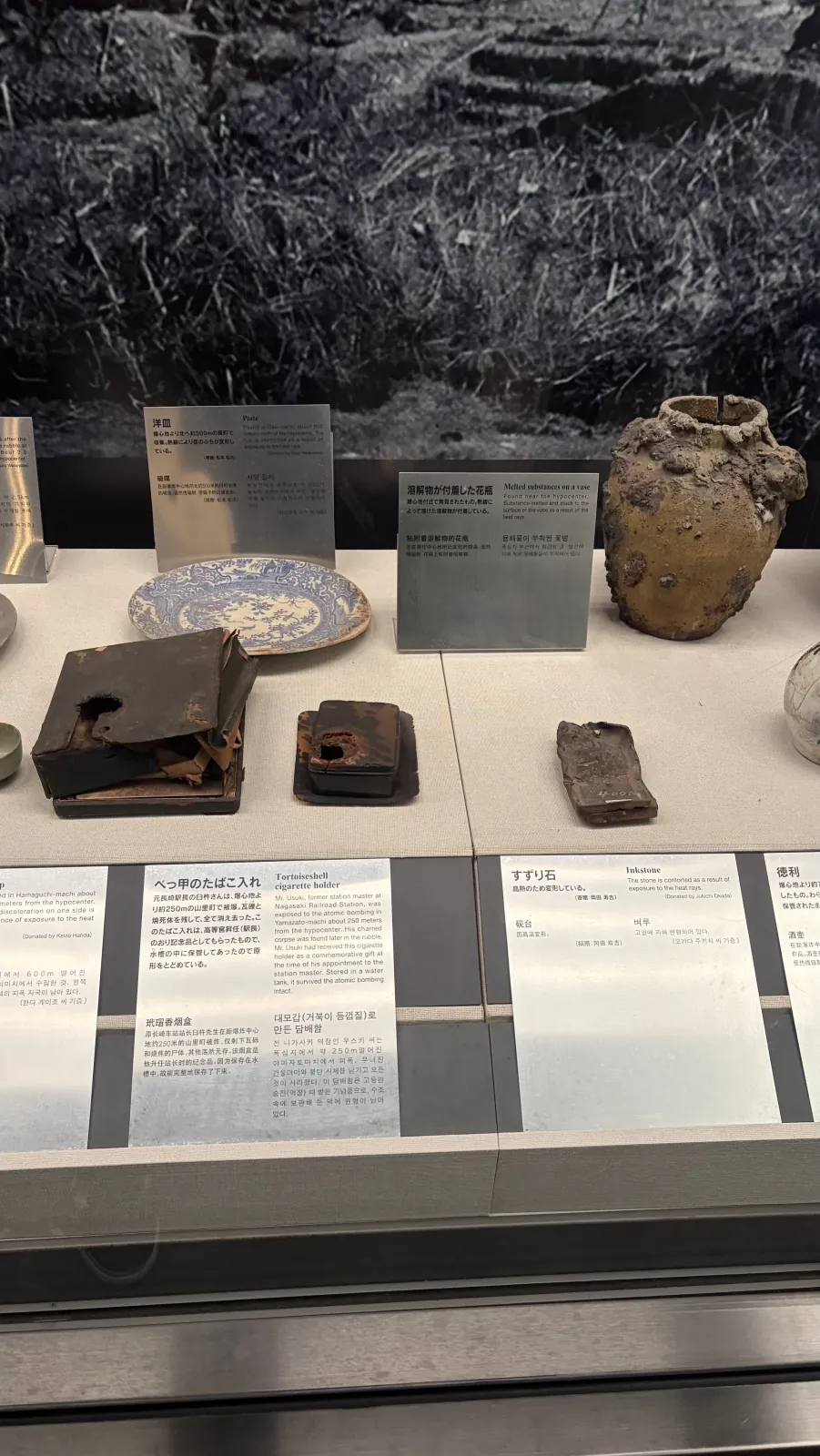
Outside the museum, but in the premises, there was the Peace memorial hall, where the records of all the people affected were written and digitized. There were multiple stack of documents encased in glass, all reaching the ceiling. It was a peaceful place, where people came to pray for the souls of those who lost their lives.
There was also a museum shop, that had many memorabilia, books in many languages, movies, and other souvenirs.
Hypocenter park
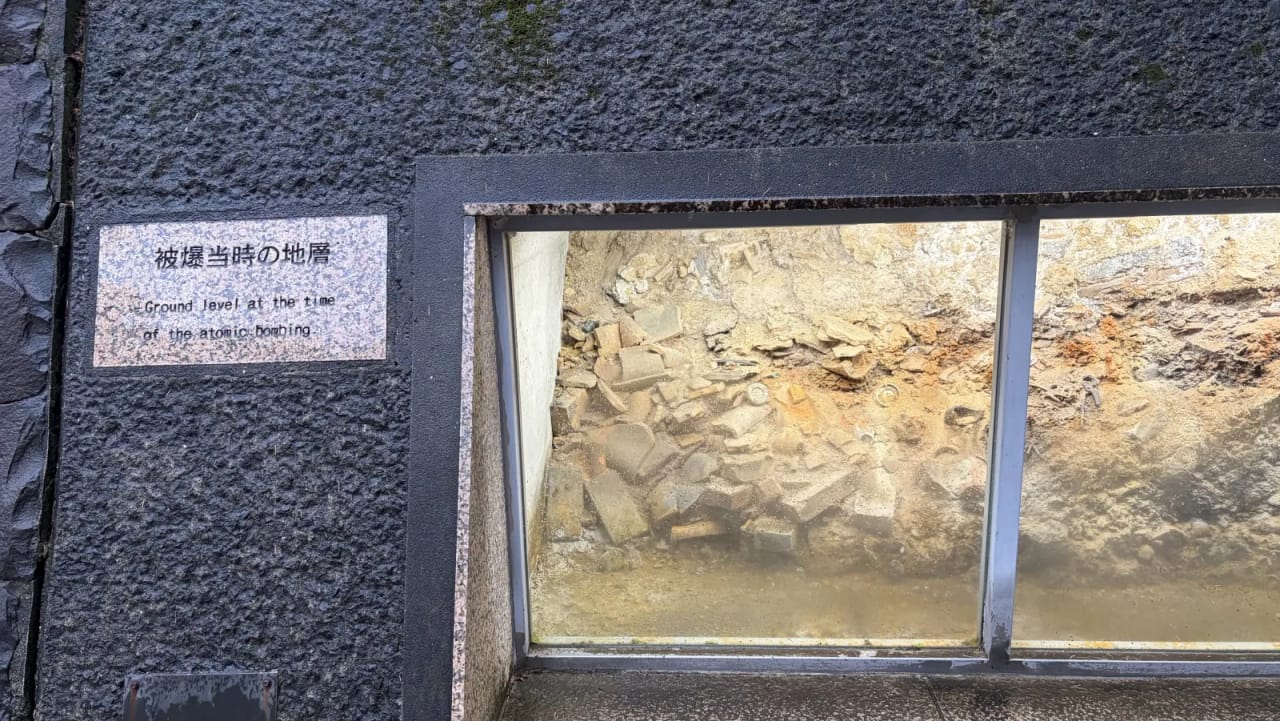
This park was built at the exact same place where the bomb was dropped. A small monument was placed at the spot. Around the park, there were several peace monuments and several paper cranes. The section of the church destroyed in the blast that remained was also placed here. There was also a display of the preserved soil layer that was directly exposed to the radiation.
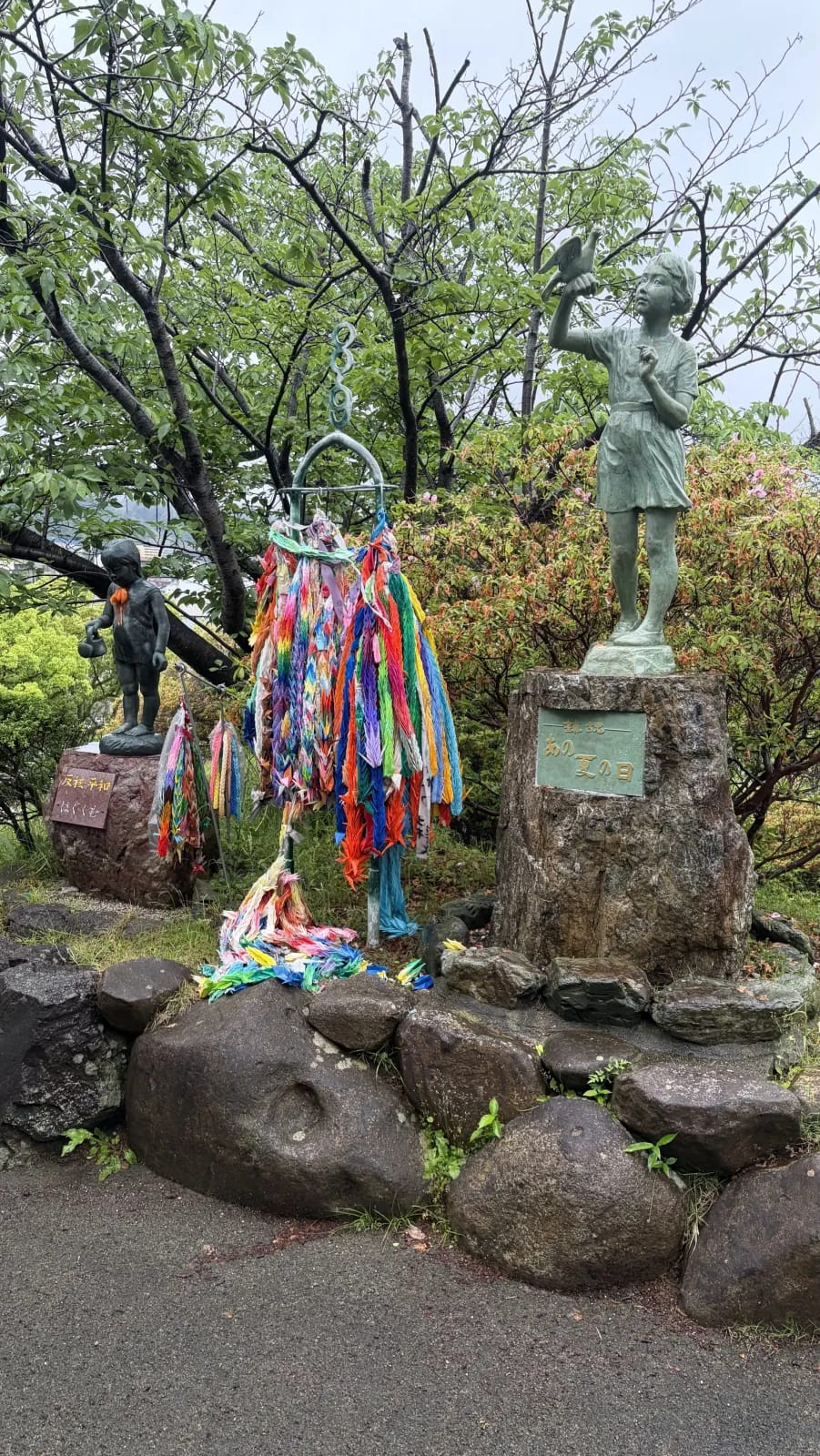
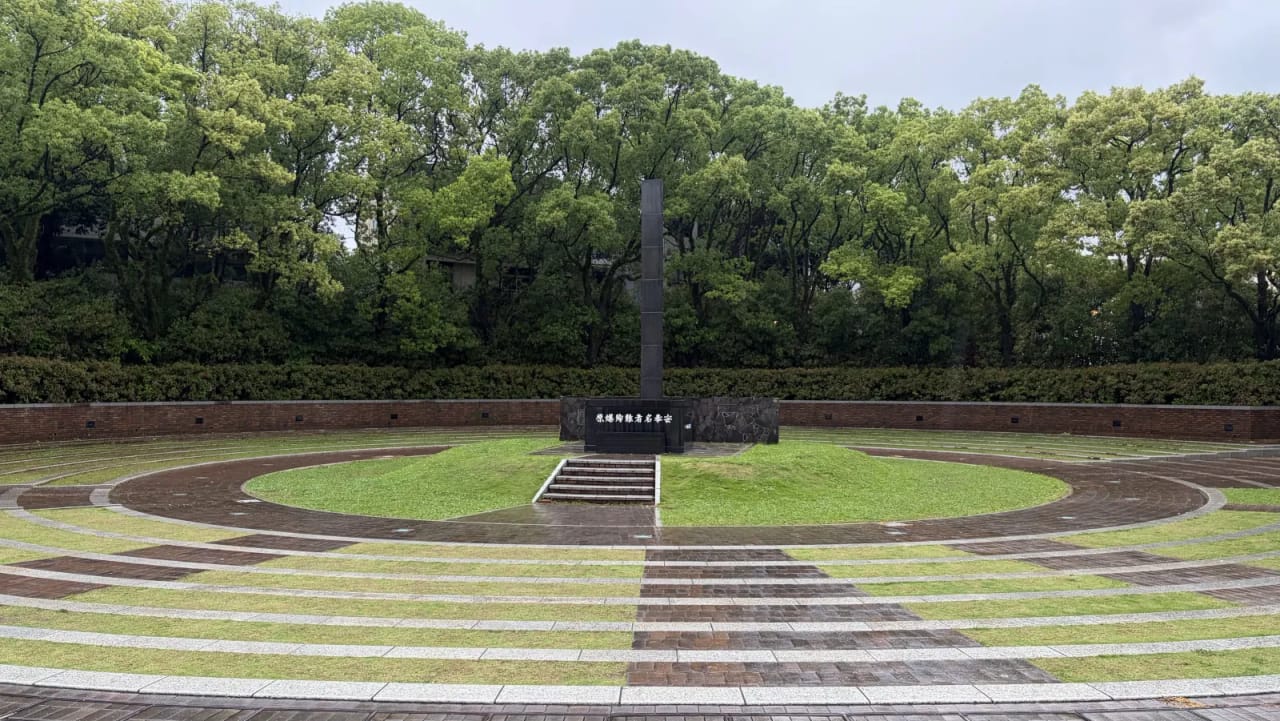
Peace park
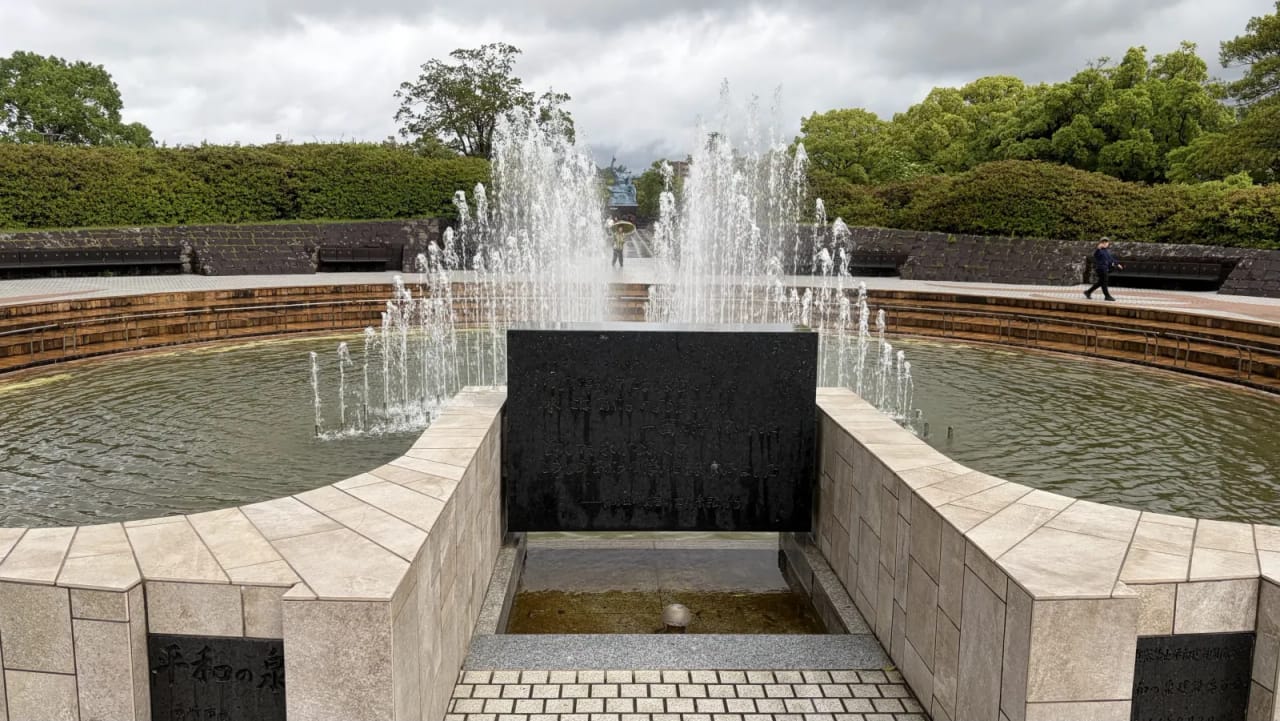
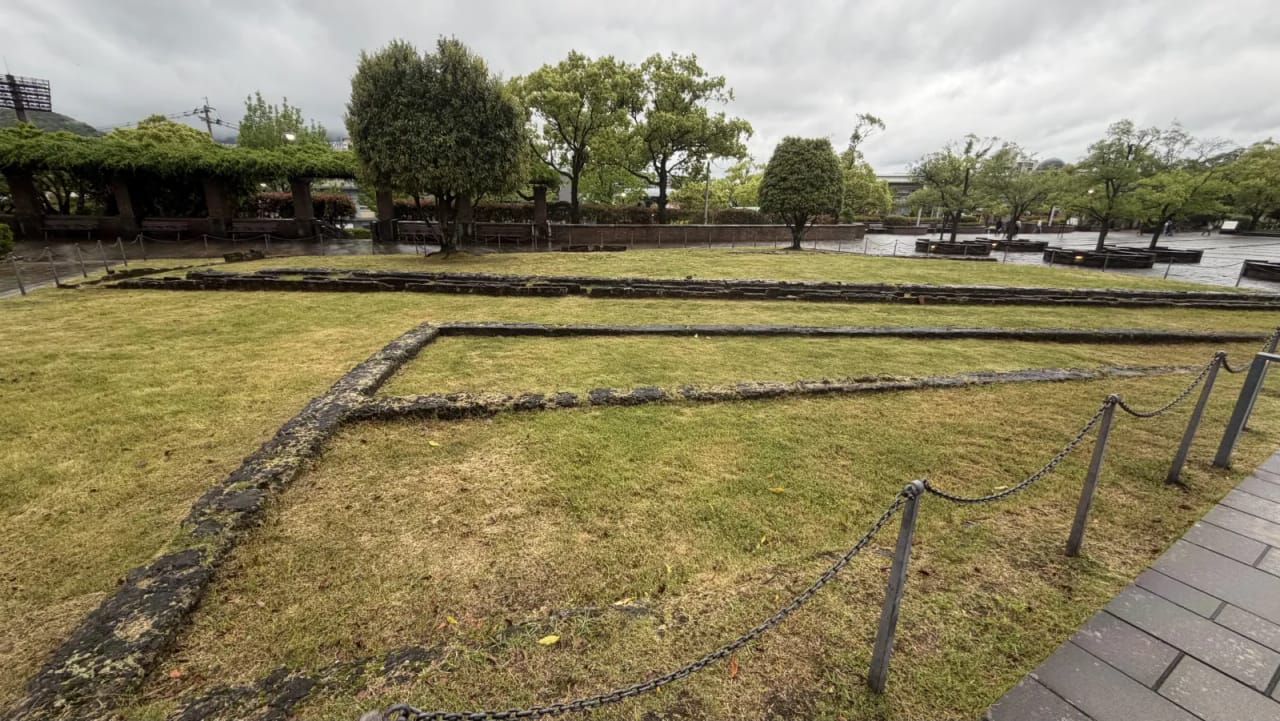
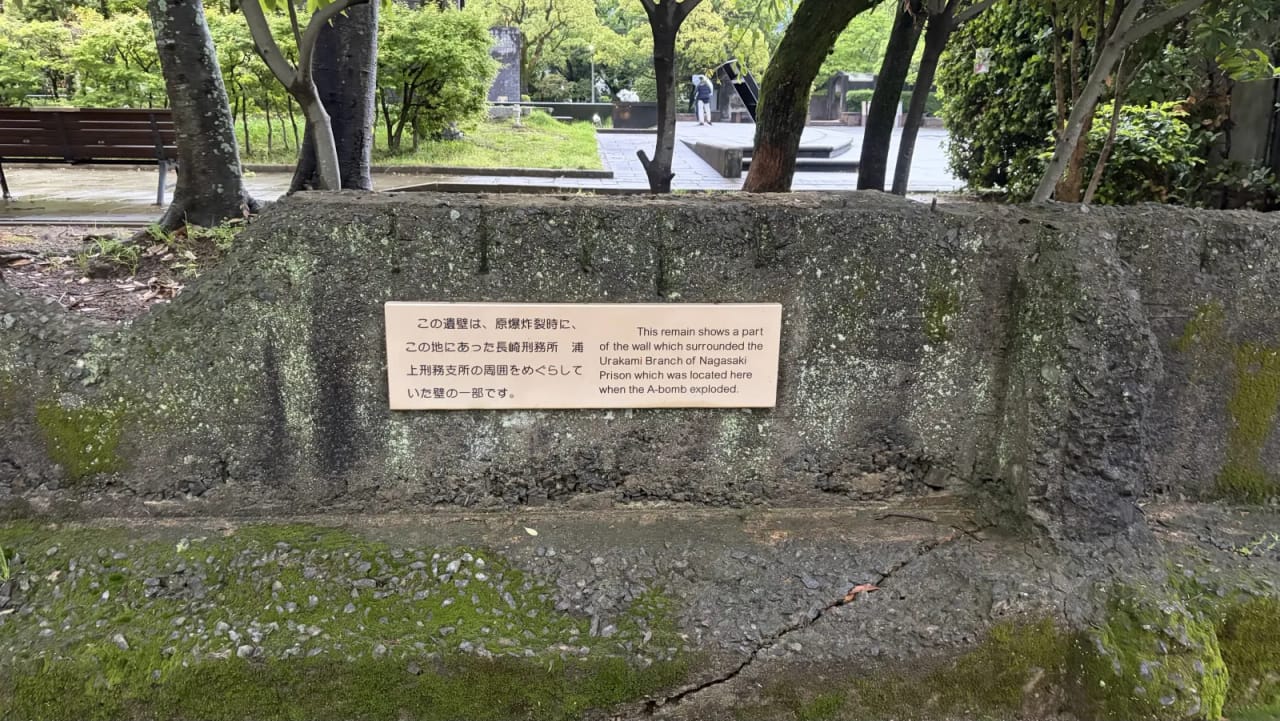
The Peace park which was built as a message of peace, was a few minutes walk away from the hypocenter park. The park had a beautiful fountain in its entrance. There were several monuments that were donated by various governments and organizations across the world as a symbol of peace. This was also the place where the city prison and an iconic cathedral were present during the blast. The markings of the foundation of the buildings were still visible there.
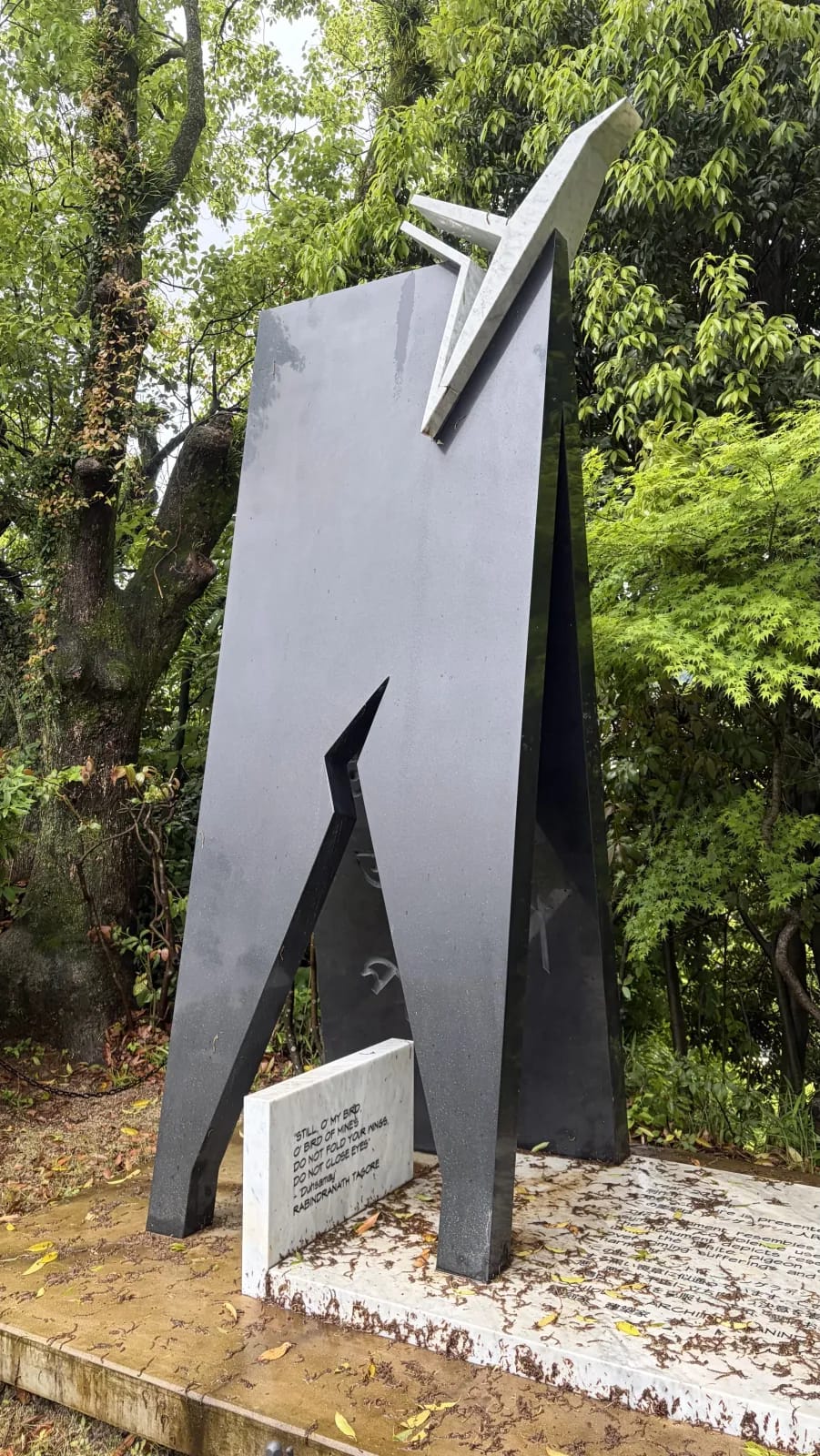
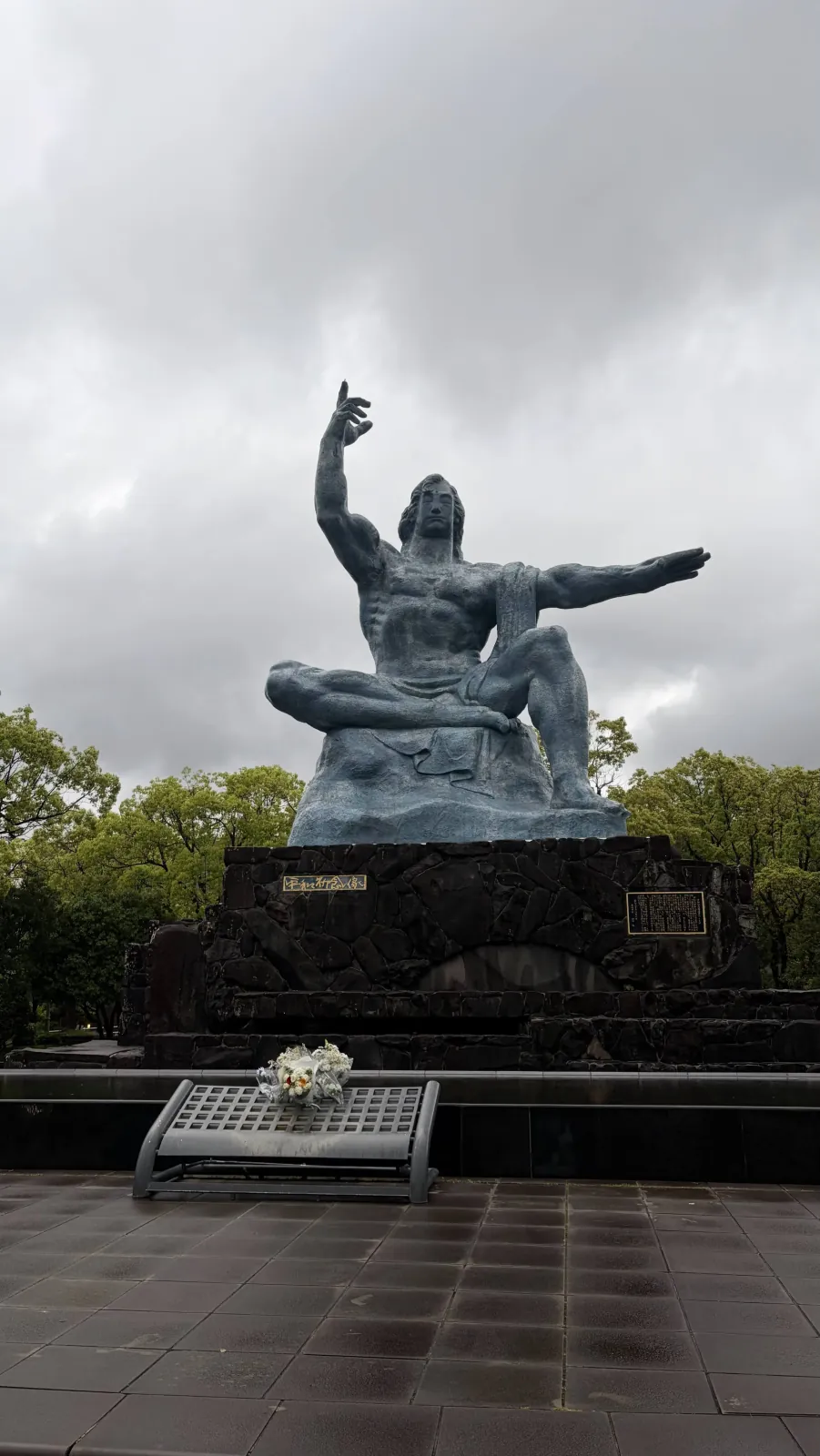
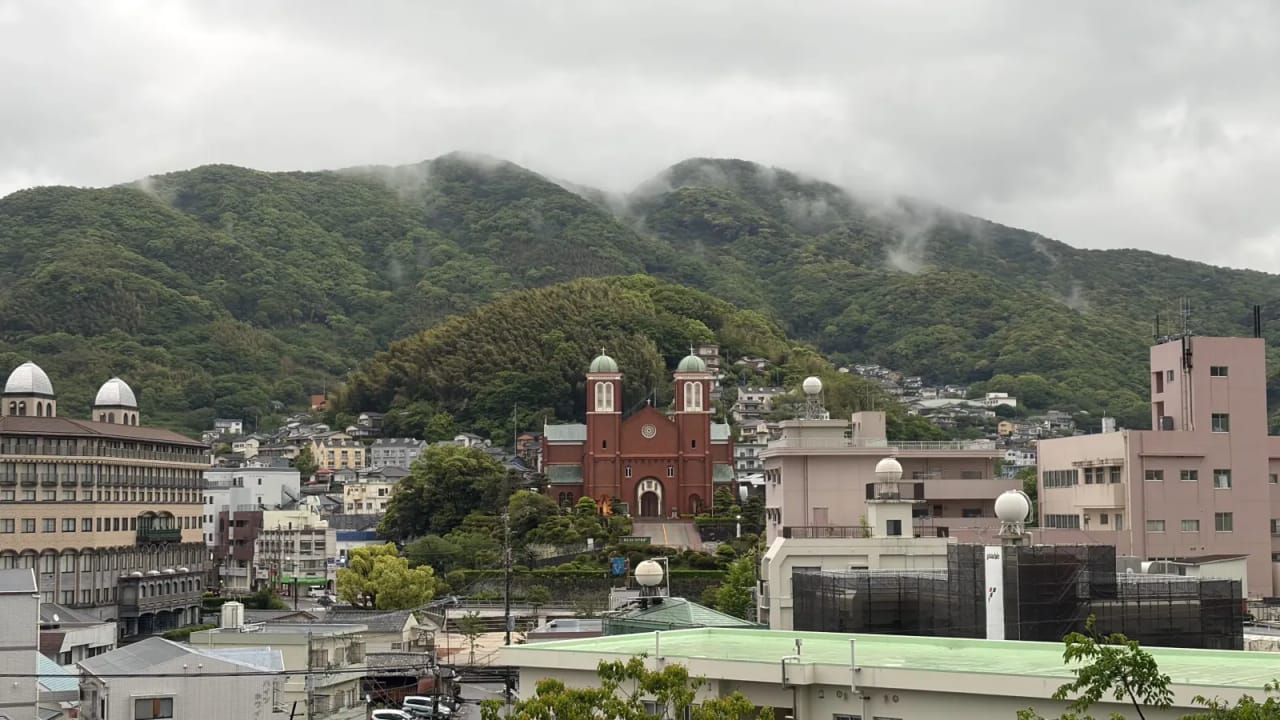
Just across, there was a statue called the Peace statue, whose each gesture signified a different thing. On the right corner was an easily missed spot, overlooking at the "new" cathedral that was built after the one that was destroyed. The view is amazing, as one can see the cathedral at a distance surrounded by the mountains and the city.
Chinatown
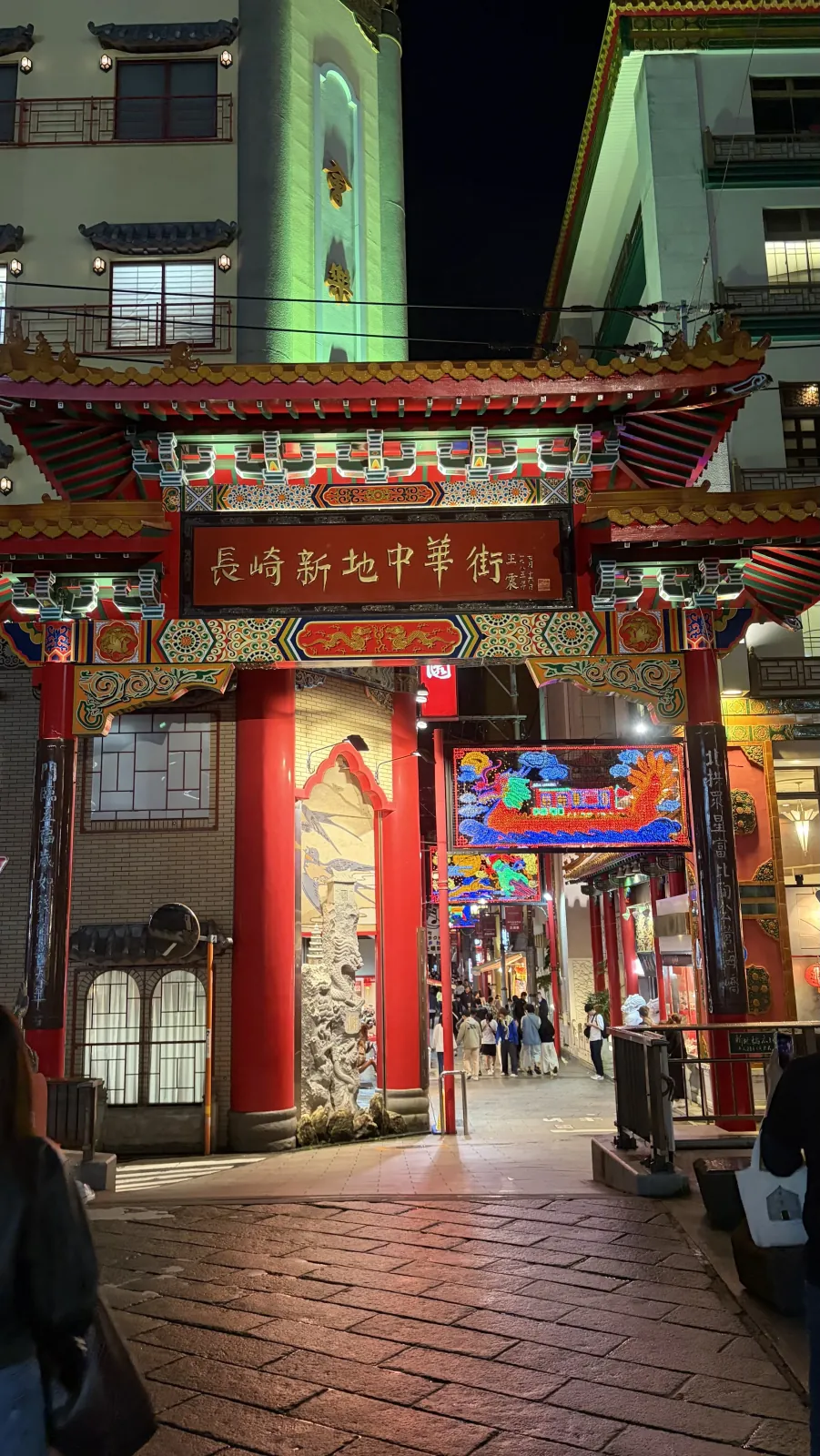
There was a Chinatown just across my hotel, which was shining in red. There were several Chinese restaurants and food stalls here, most of which had huge queues of people waiting. I waited in queue for one such spot, Shoku en bō. Right before closing, I was lucky to get a spot. I ordered the Nagasaki Champon and Mapo Tofu. Both of them were amazing. I ended the day with a stroll around, and seeing the colorful and energetic vibe of Chinatown.
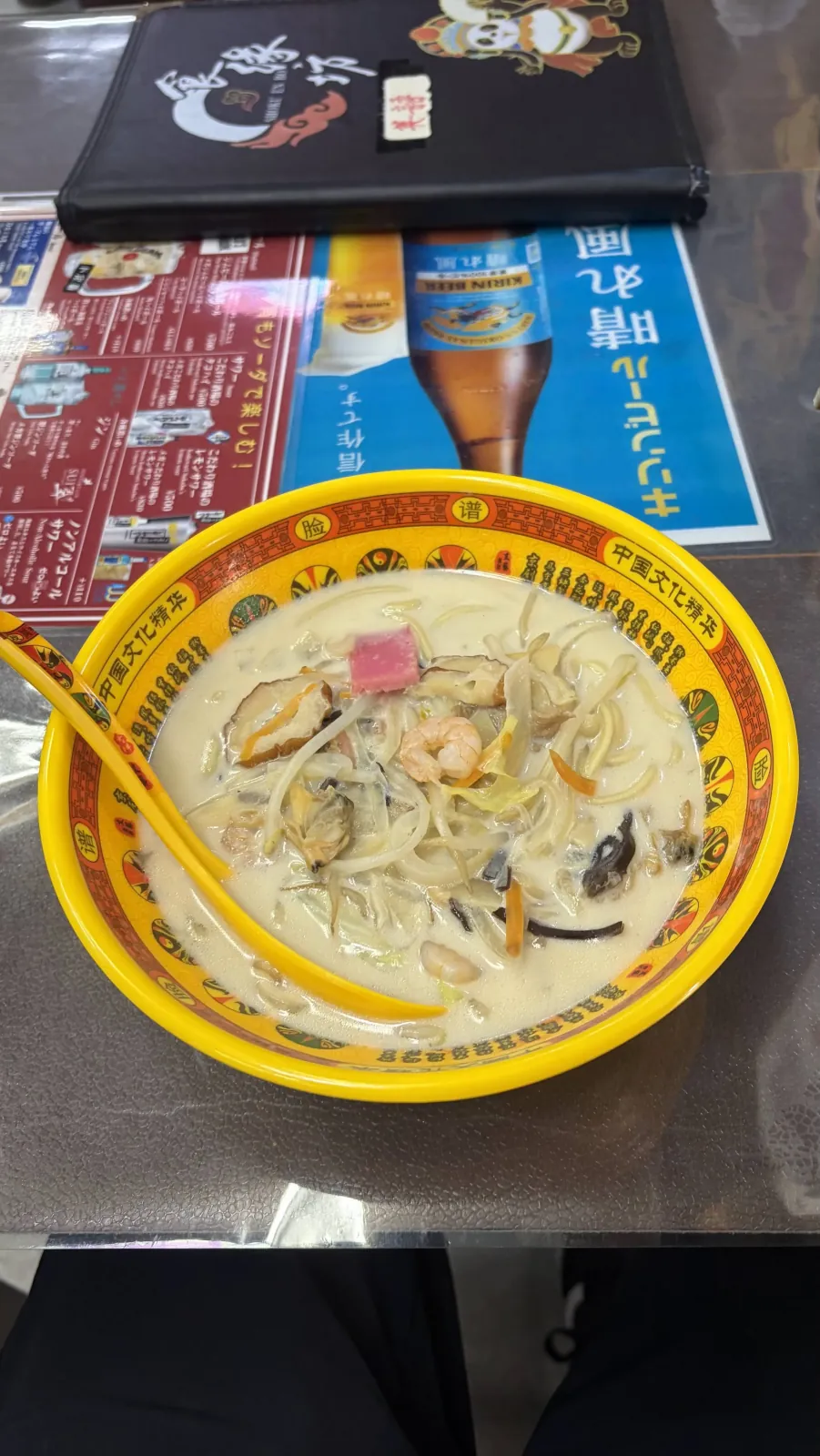
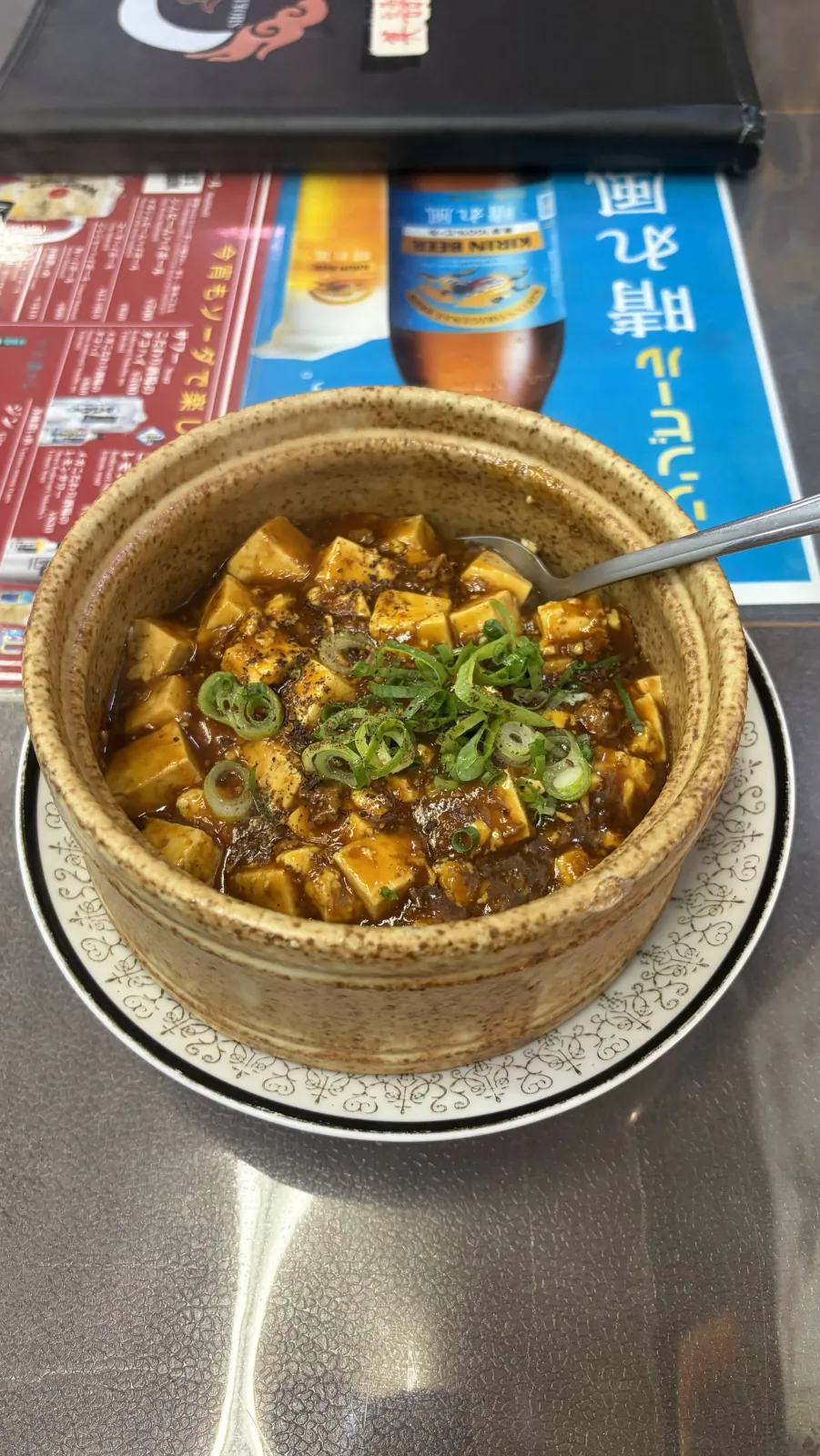
TODO:I missed the iconic ropeway due to lack of time, which I plan to cover in my next trip (hopefully)
Port city of Sasebo
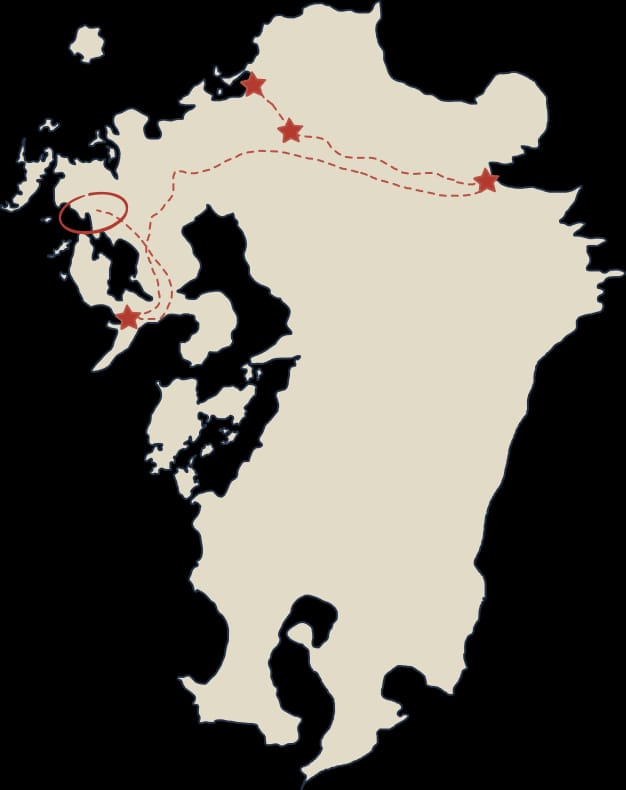
Finally, it was time for Sasebo. It was a couple of hours away from Nagasaki. The train route was breathtaking as it ran beside the sea-shore. Sasebo was not a big city as many of the others. It's a small, and peaceful port-city. My aim in this city was to cover some cool spots and go on a small cruise.
Megane no Iwa
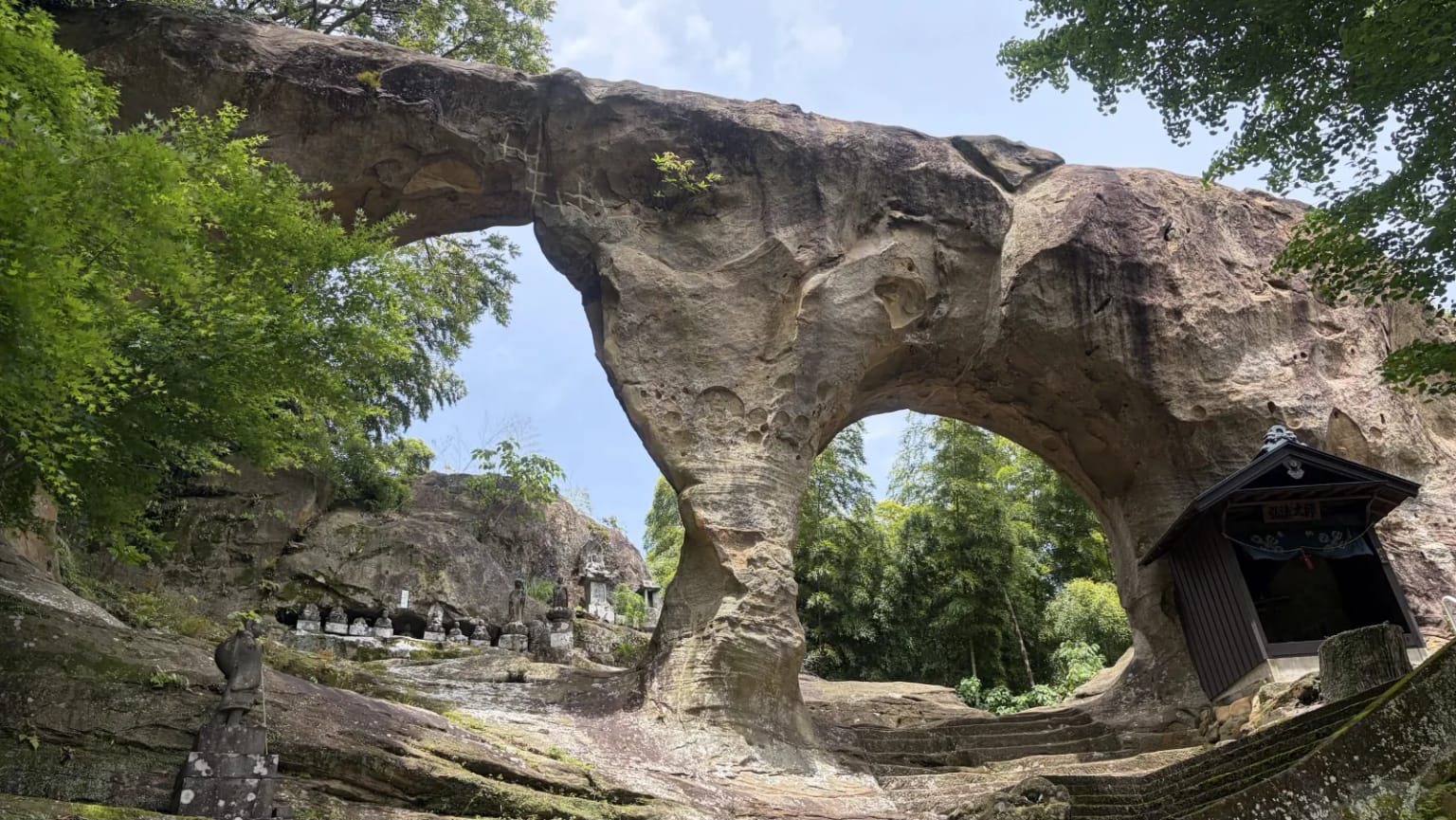
Literally spectacles rock, it is a spot 20ish minutes away from the city centre, in an outskirts like location. The population was sparse. The spot was over a hill/mountain/elevated land. There were houses all over the slope and it was cool to see them. The entrance of the location had stairs and stone lamps, just like a temple or shrine. On climbing up, there was a small sand-pit and park for children. Walking around it, there was a path that led behind, where there was a cemetery looking down over from the hill. The view was spectacular, and I assume everyone resting there feel it too.
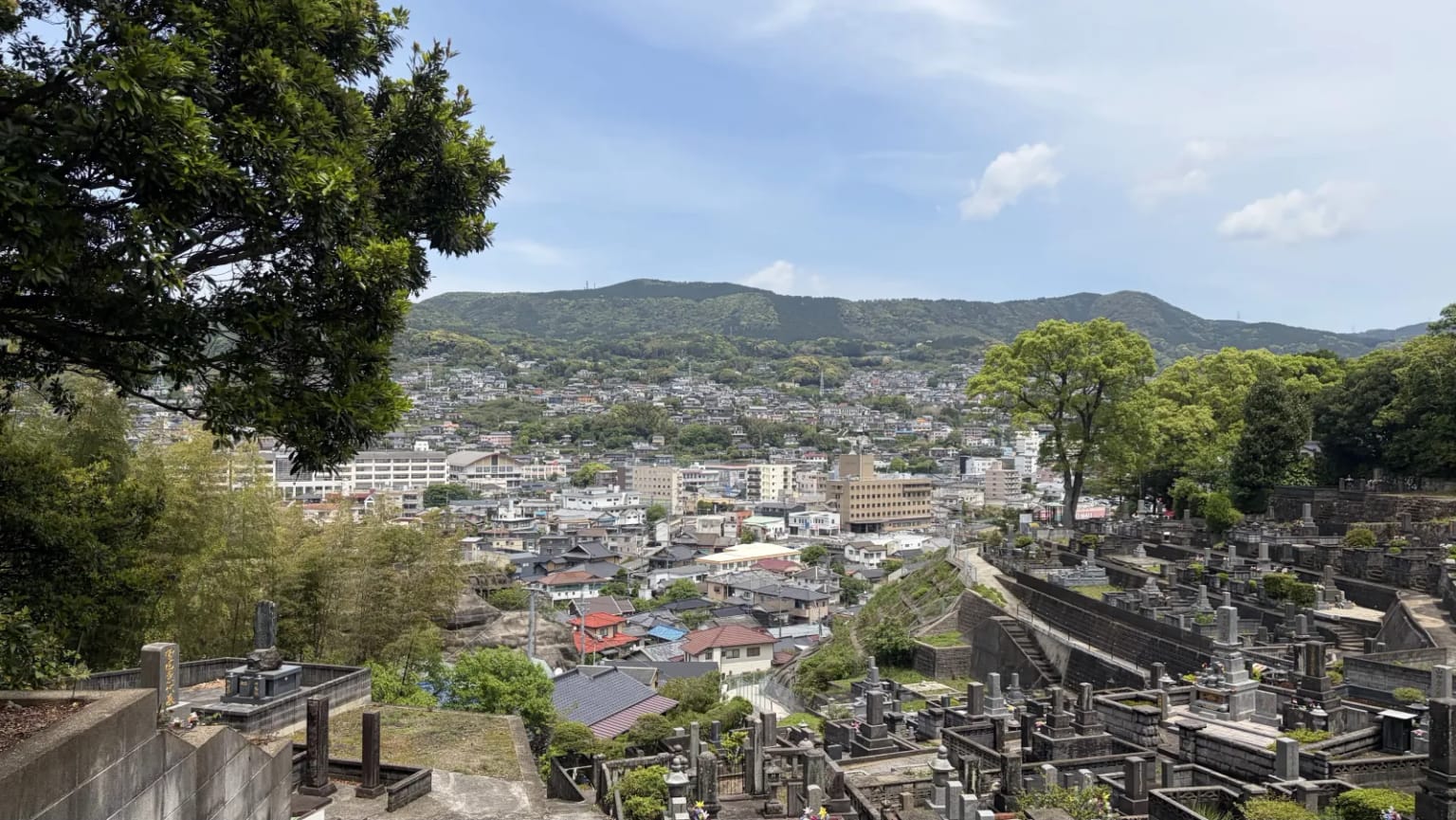
Coming back to the main area, there it was, the rock with two holes resembling a pair of glasses. There was a small shrine in front of it, and many (possibly) Buddhist statues behind it. There was also a path on the left, but it was covered in thickets and seemed to be unused for a long time, so I avoided exploring that.
Some other spots
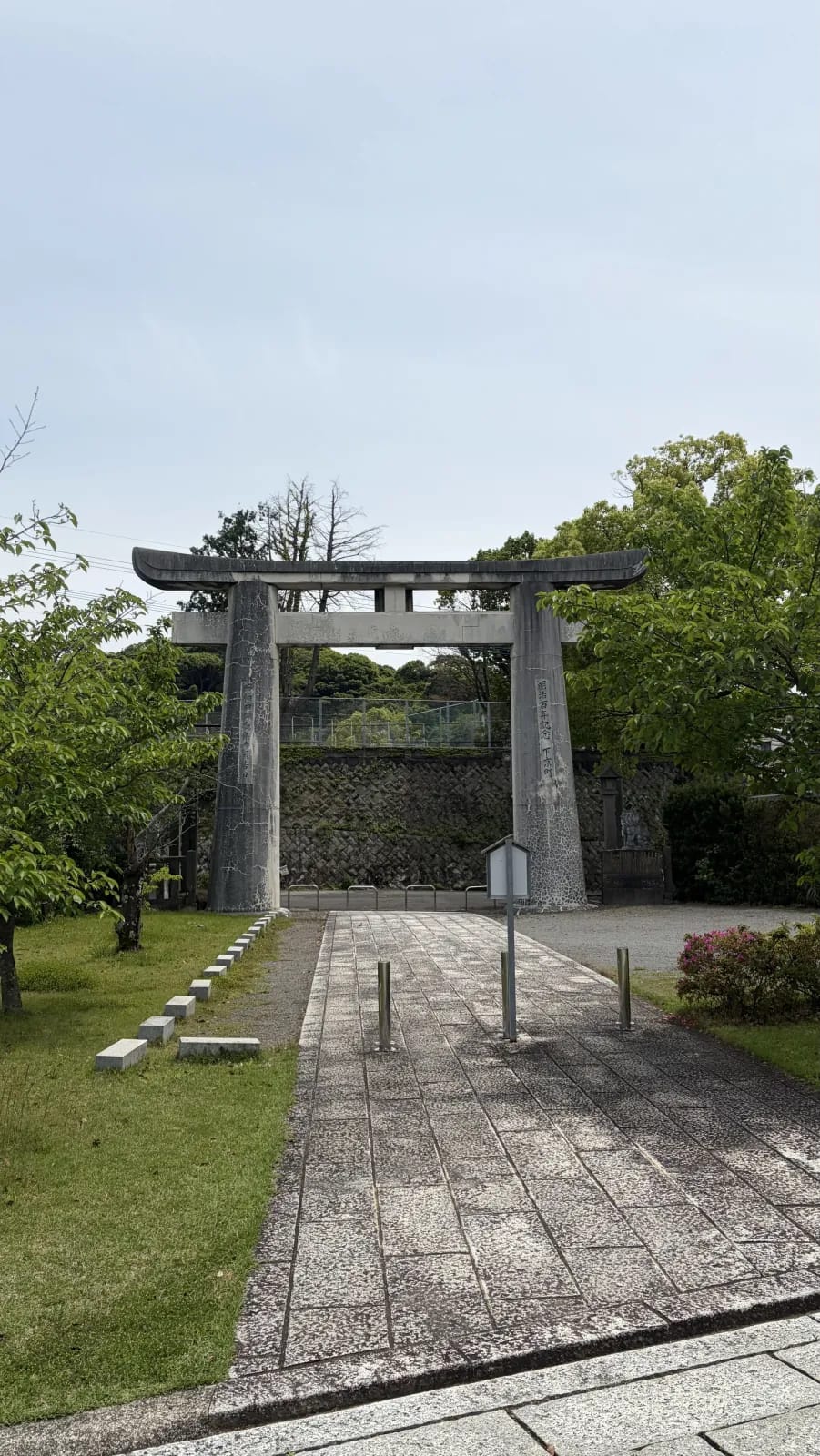
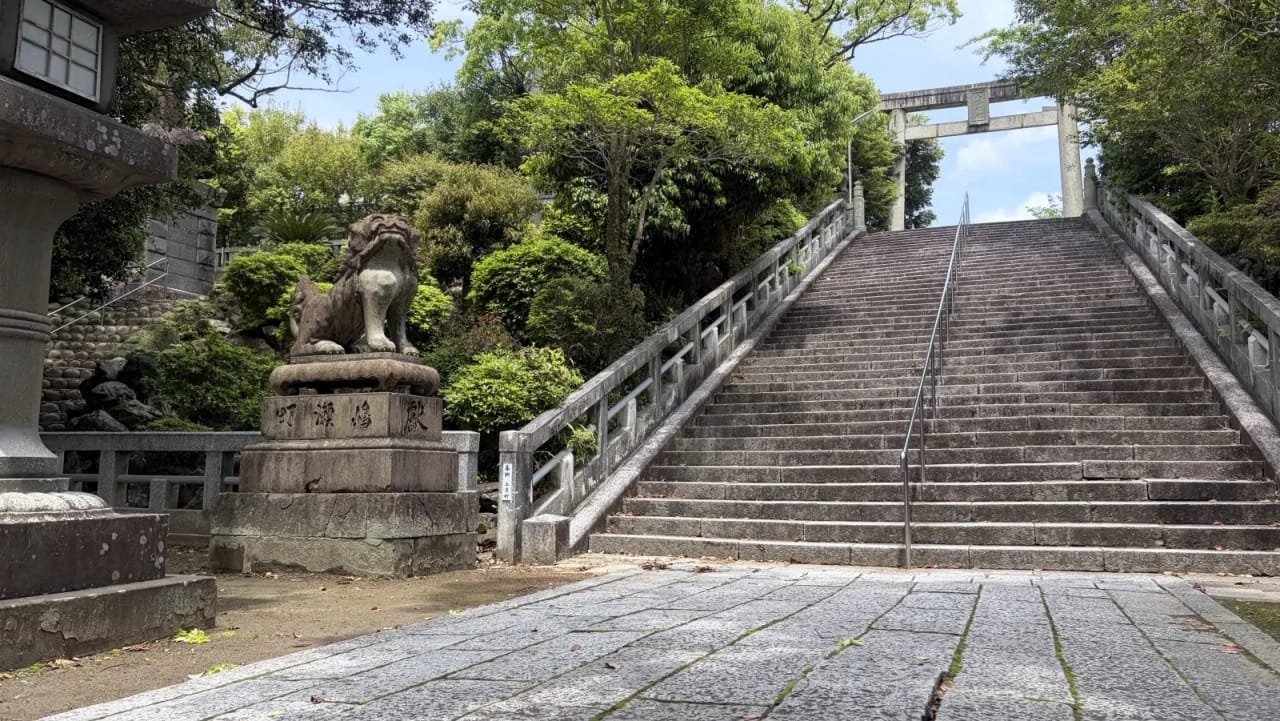
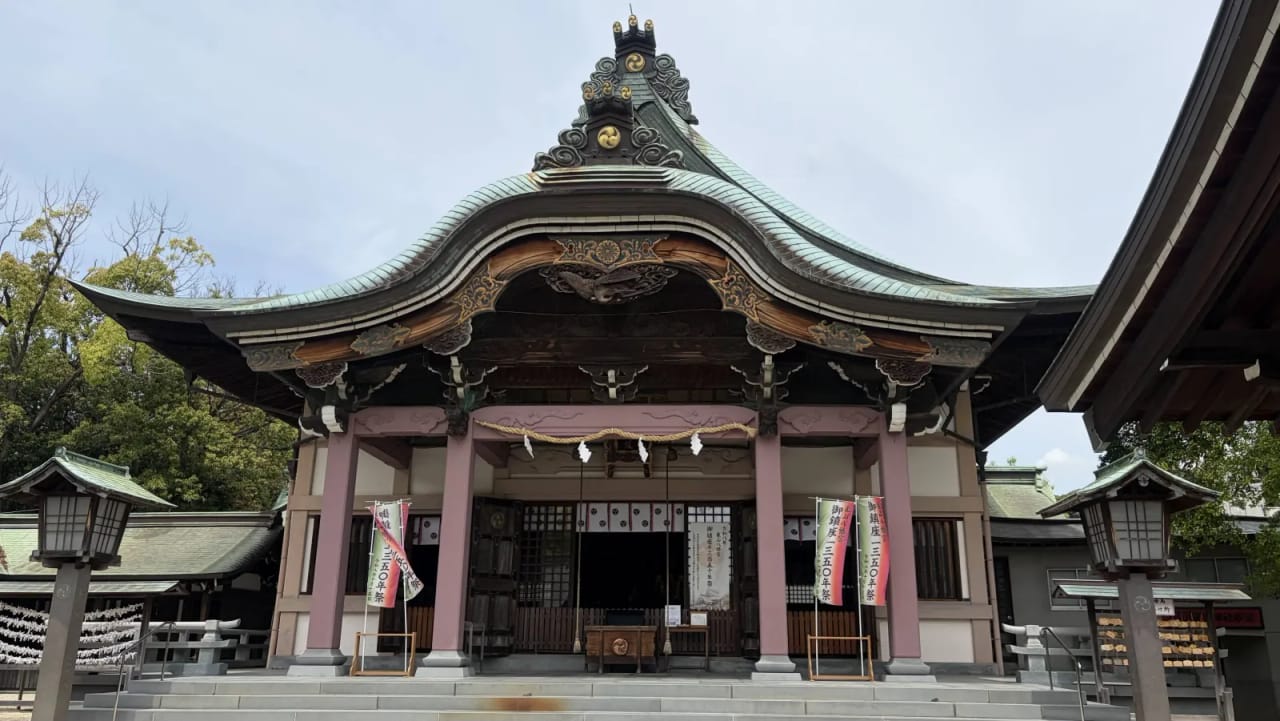
Back in the city, I visited the Hachimangu shrine. This shrine had a huge open area, with a lot of space to relax. It had two entrances: one near the main street, connected by stairs guarded by a pair of stone lions, and the other at the far end. The shrine itself was closed, and only the grounds were open. There were a few people visiting to pray.
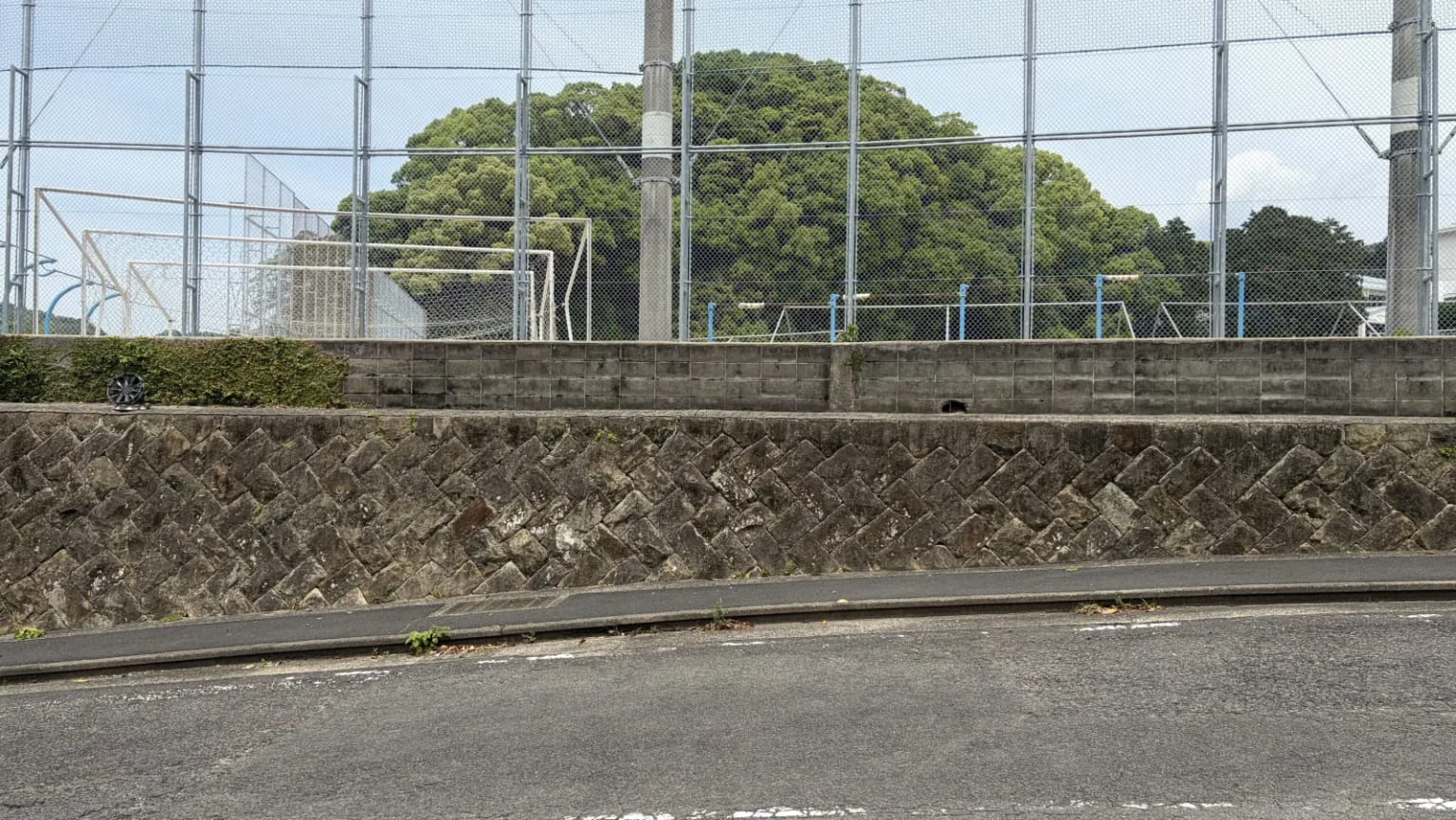
Near the other exit, was an elevated road. It was just a road up a slope that led to a school. That's it. Objectively, nothing special — no torii gate, no plaque, no view worth a postcard. But this was the spot from that jazz show I mentioned all the way back in the planning section, the one thing that made me look up Sasebo in the first place, months before "golden week" or Kyushu were even part of the plan. Standing there, on an ordinary road, next to an ordinary school, I realized this whole trip had quietly been built around five minutes in one unremarkable place. That was the moment that defined the whole trip for me, and I could finally say I did what I actually came to do.
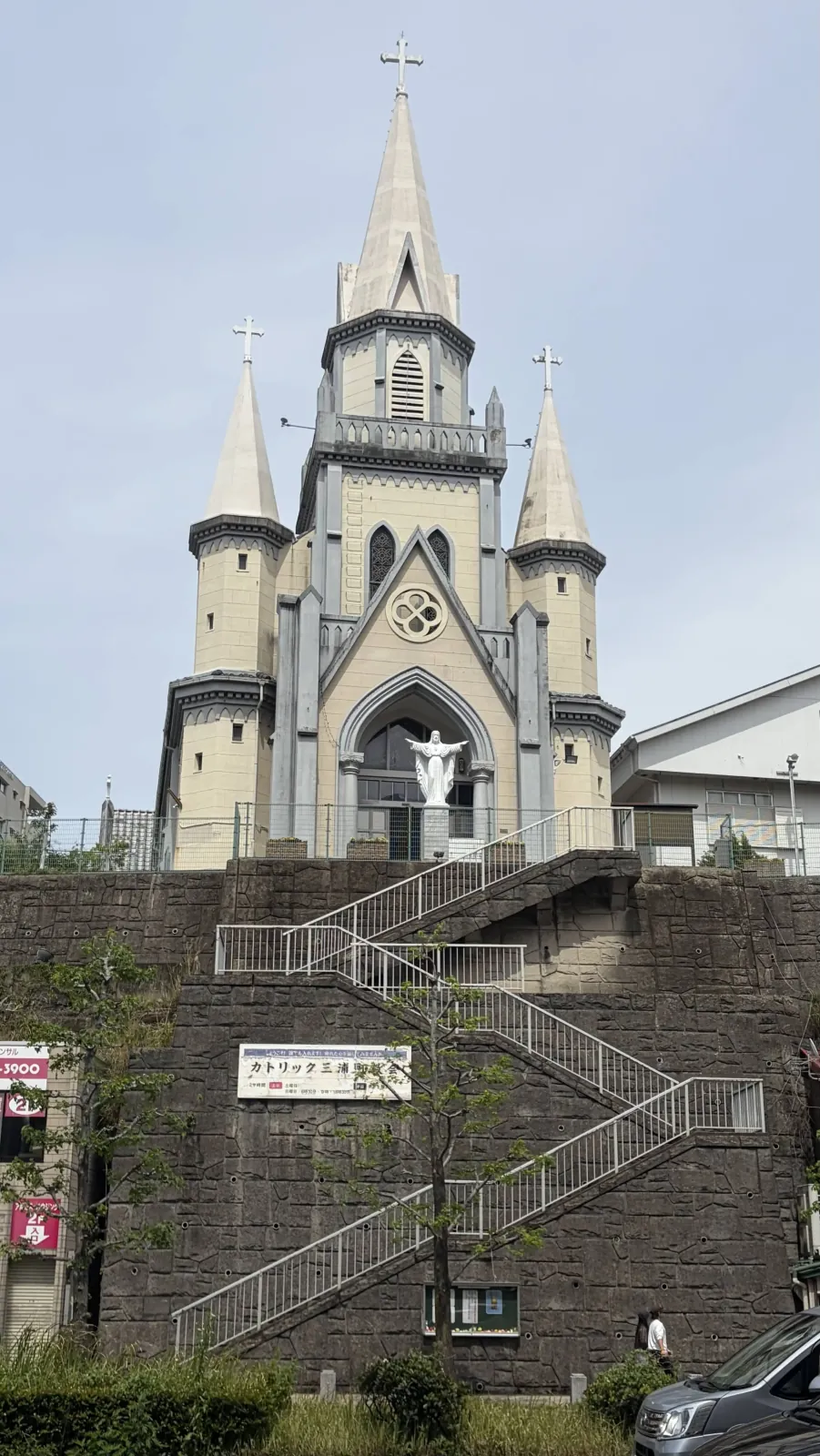
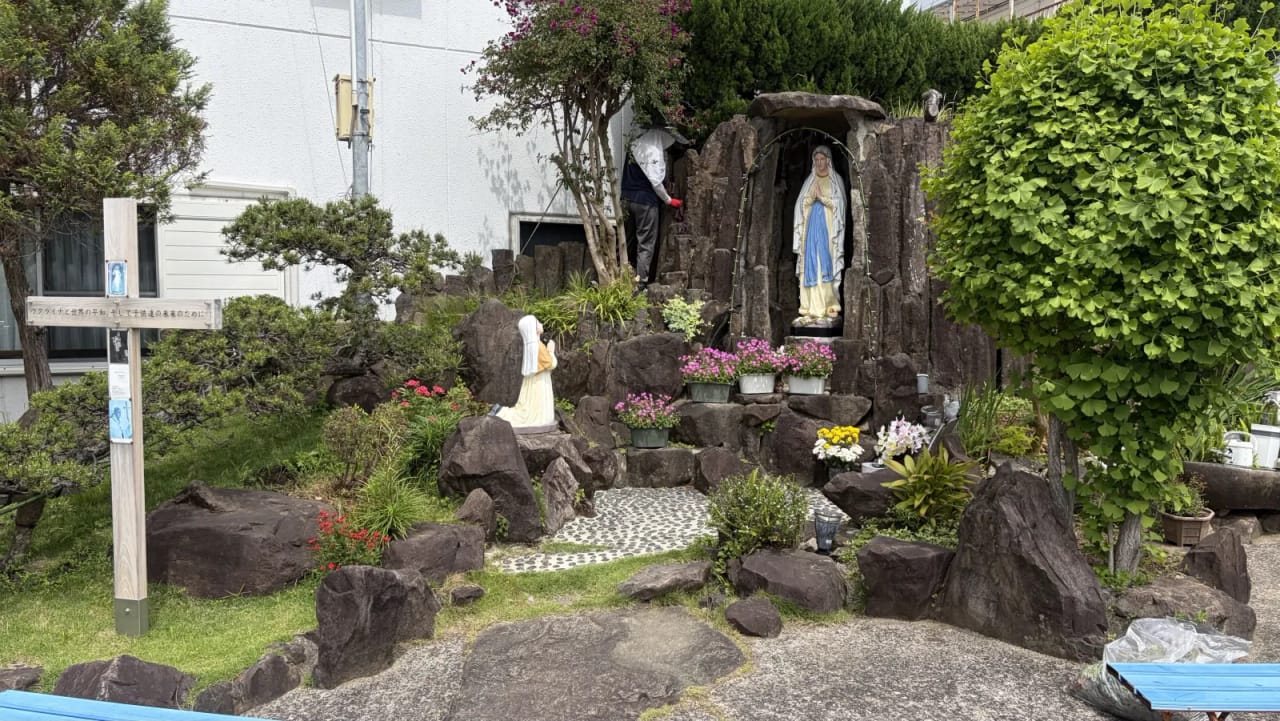
After I took my sweet time there, I went to Miura Catholic Church. I never visited a church before, so I had no idea about the correct etiquettes. So I decided, lets go with the flow. It was a beautiful white church on a small hill. I didn't know that was the back exit from where I entered. As I walked around it, I came around a statue of (I assume) Virgin Mary. I was greeted by a caretaker too, which gave me relief. Then I came around to the front. A statue of Jesus was there, overlooking the city down below. I took a peek inside from there, because the church was closed at that time. It had beautiful stained glass panes. The front entrance was connected to a stairs that led to the main road, directly below the hill.
Kujukushima Zoo
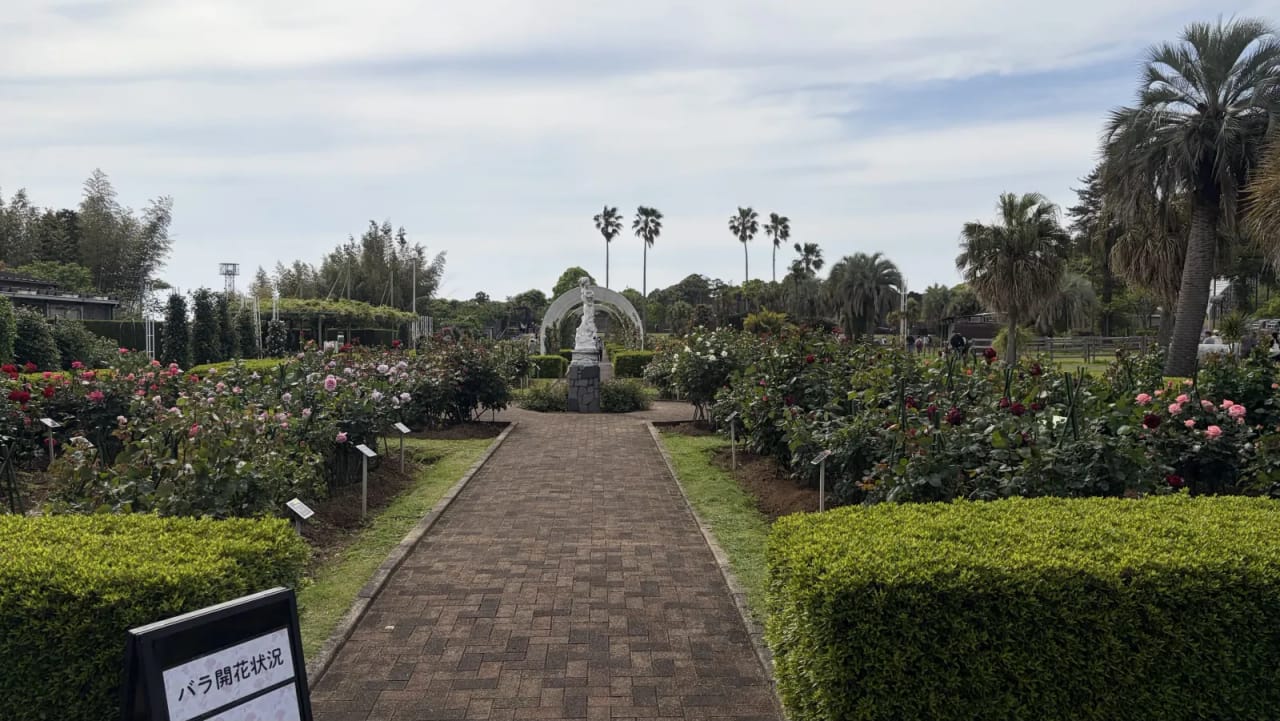
This seemed like a spot very popular among families with little kids, as that seemed to be the whole demographic. As I entered the zoo, the first section was the roses section. There was many types of roses, with very peculiar names. Reading the names of each species of roses is one of the activities I have fun with. There were also some gardeners at work, and seeing the results of their hard-work made me happy.
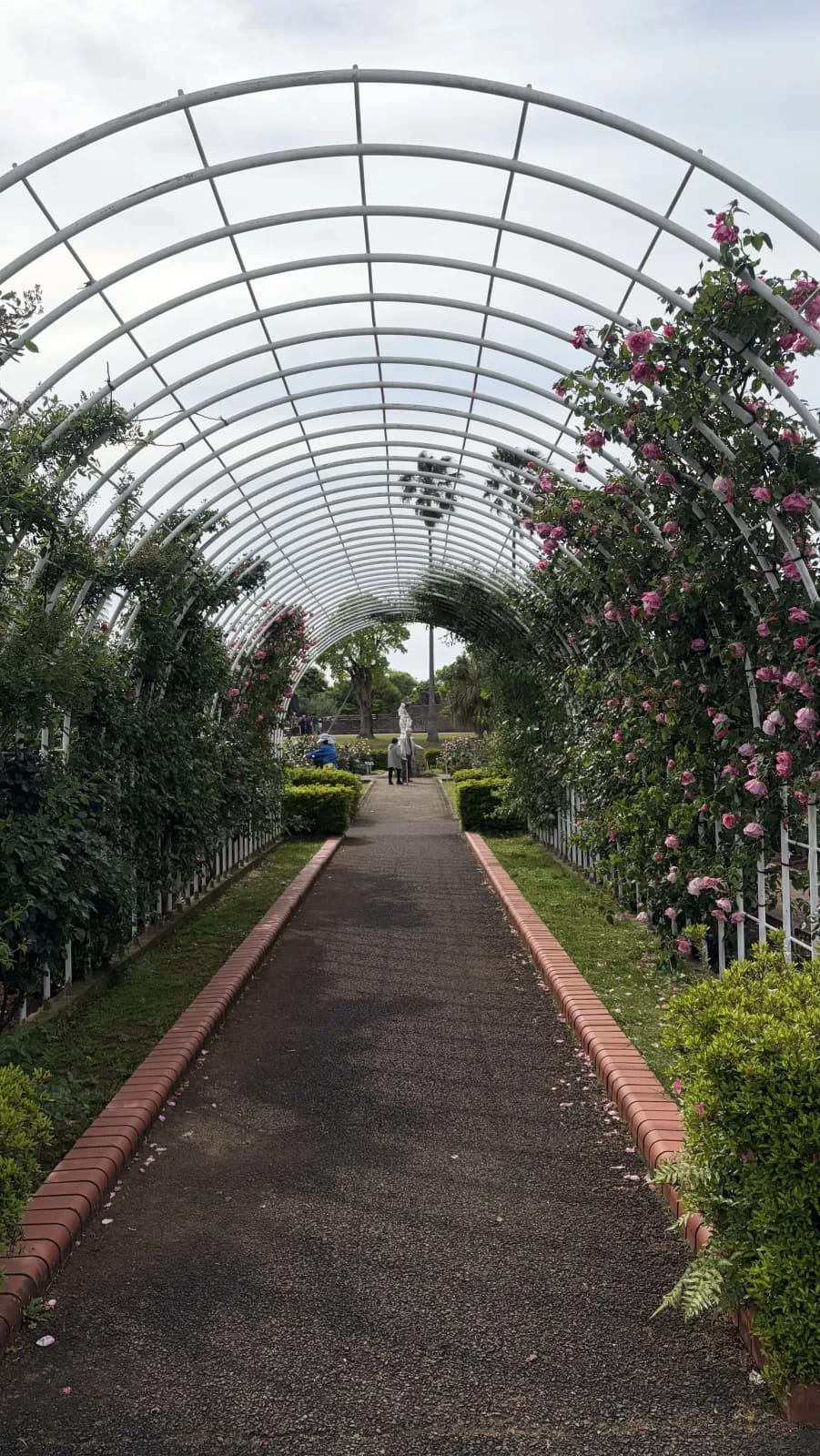
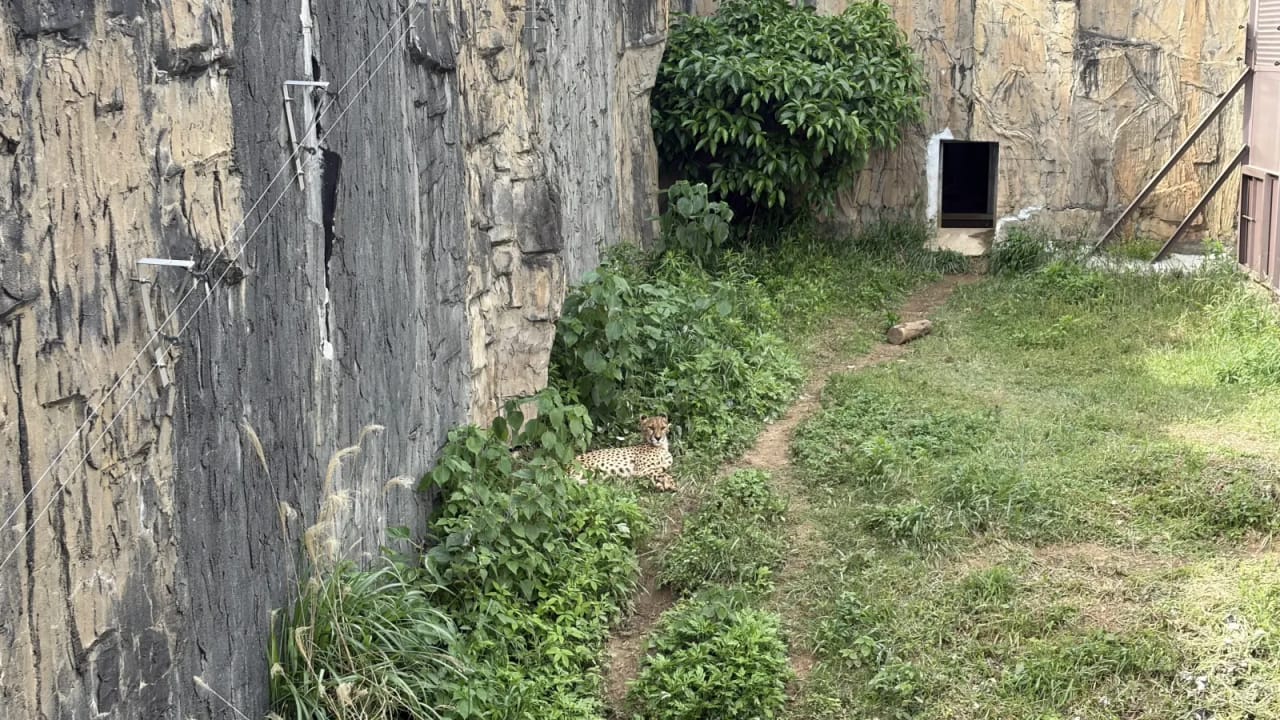
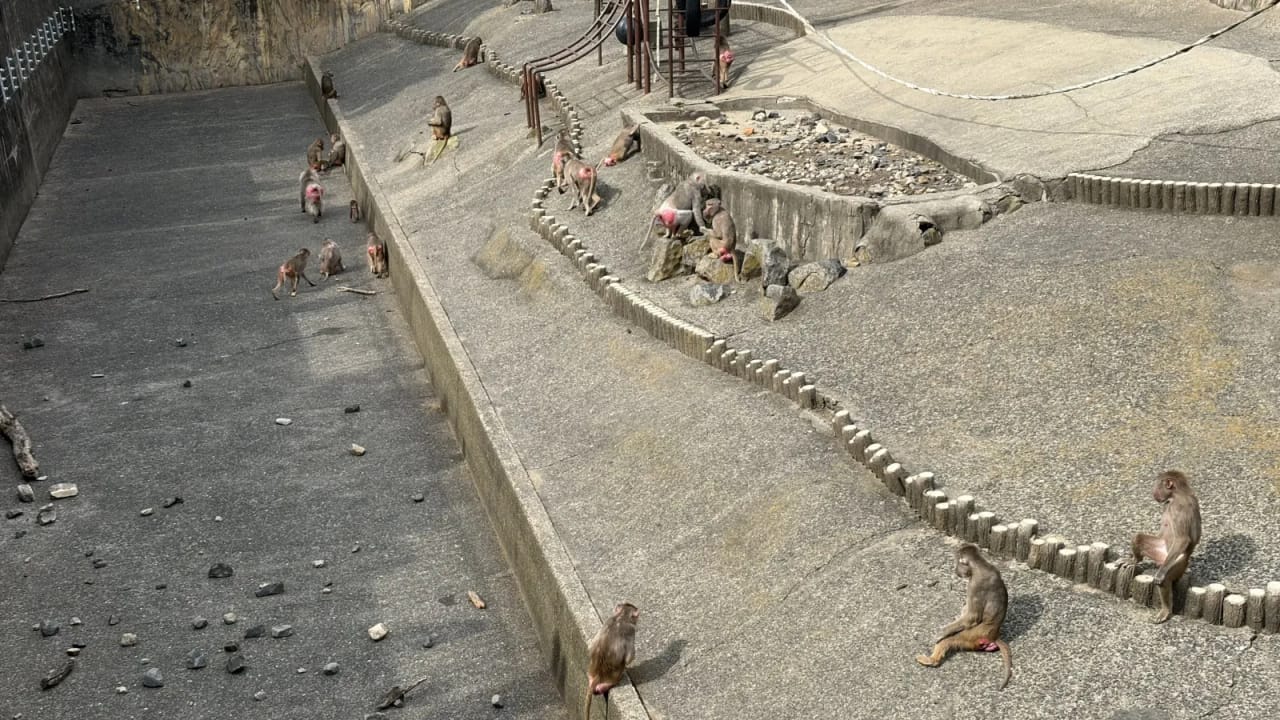
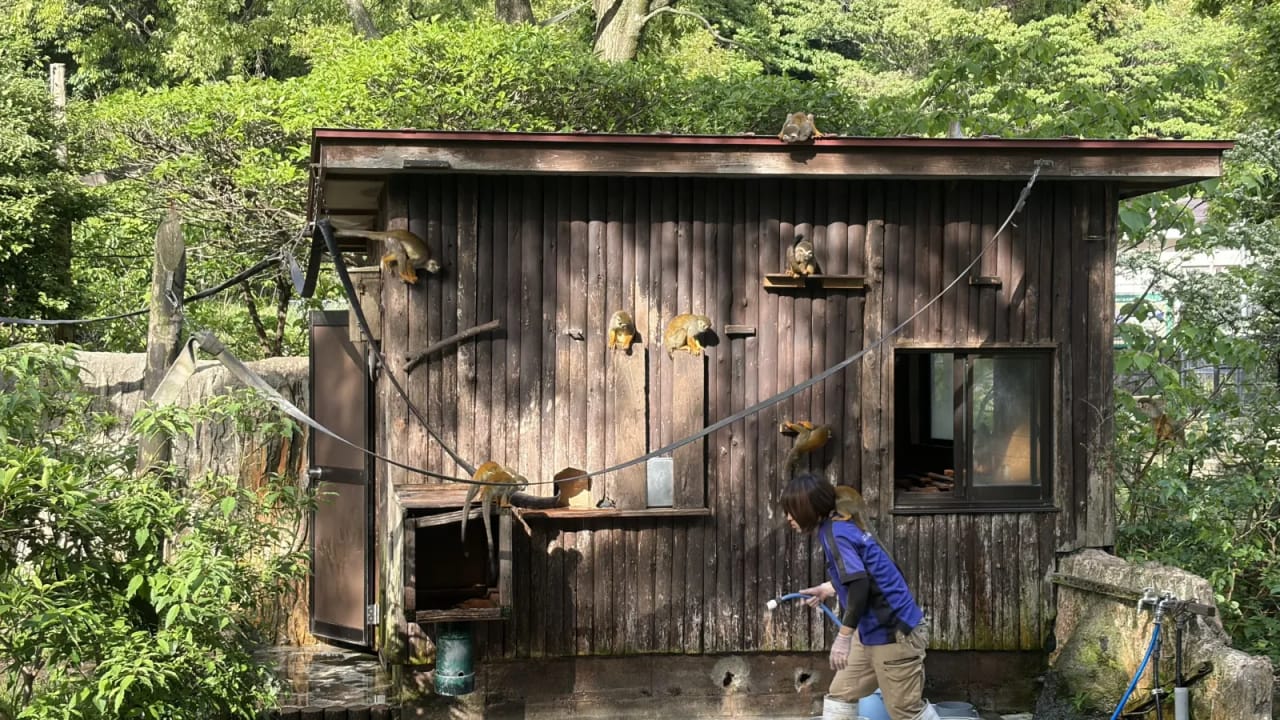
After the roses, it was time for animals. I saw pelican, tanuki, flamingos, cheetah, giant eagle, baboons, black bear, snakes, horses, goats, meerkats, rabbits, tortoises, parrots, lemurs, monkeys, zebras, peacocks, owls, beavers, penguins, little monkeys, giraffe, etc. There were a few animals whose name I didn't even know. There was also an observation deck for observing penguins from below, and an exhibition of the paintings of a drawing competition for children.
There was also a green house with several different types of plants. Some were tropical, some were from deserts, some were venomous, some had fruits. Overall, it was very calming. At the exit was a zoo shop, which had toys, souvenirs and food items related to the zoo.
Sasebo burger
Fortunately, I was told that a public transport bus departs from the zoo. When I checked the timing, it was supposed to arrive 50 minutes later. The zoo was getting closed soon. Within 10 minutes, every visitor, staff, everyone was gone and it was just me, and a mother-daughter pair sitting and waiting for the bus at the bus stop, with no human at sight. After a long wait, finally the bus arrived, and I was off that mountain for good.
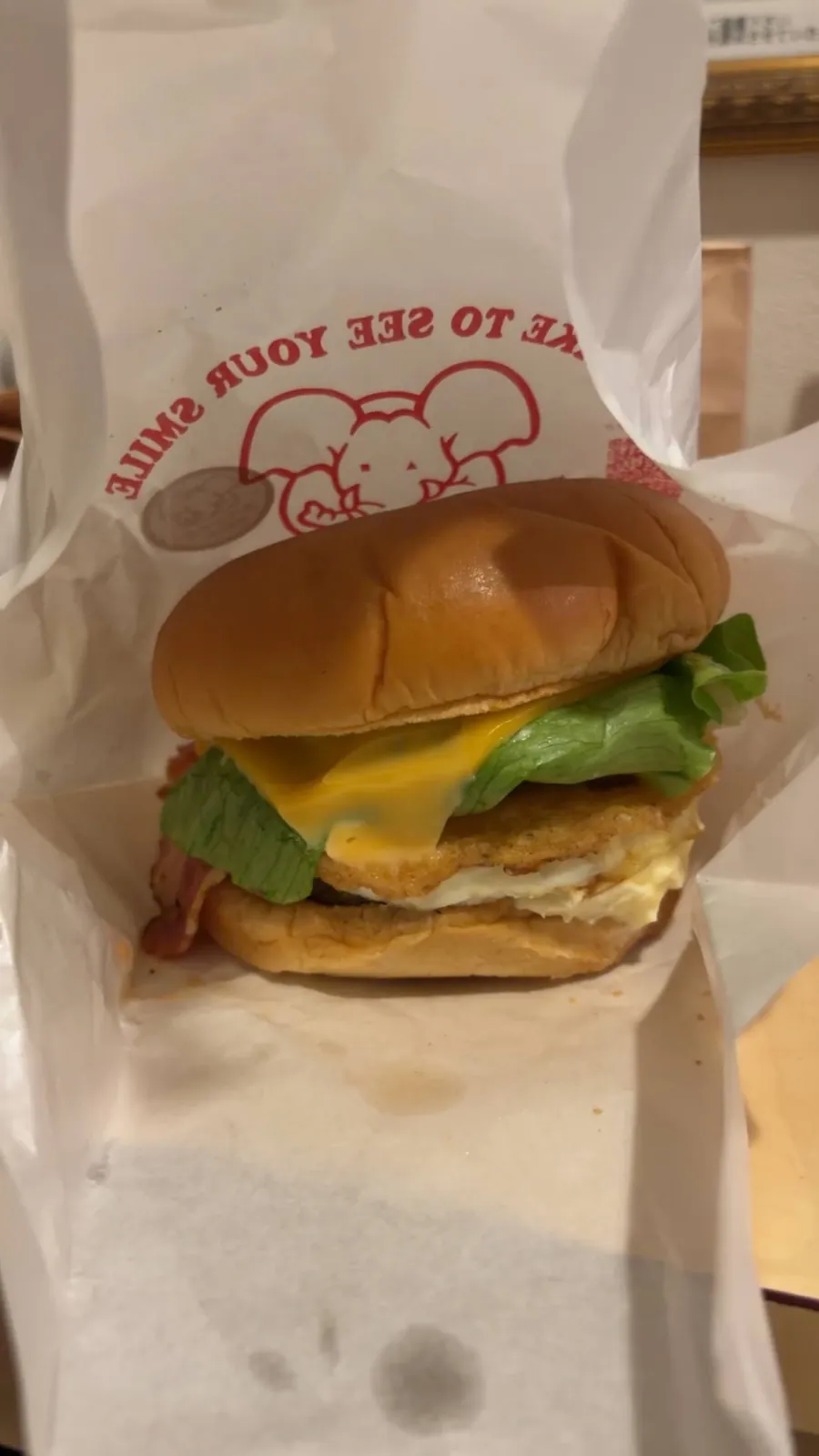
Before reaching the shopping district, I got off to click a few pictures of the river and a park. Then I headed to get the Sasebo burger, which is a local specialty. I stopped at one of the most famous and oldest restaurants making the Sasebo burger, called Big Man. The burger was huge, juicy, had eggs and bacon in it, and was delicious.
TODO:I missed the Kujukushima island cruise this time due to time constraints, and how everything started to shut down after 4pm??? Kujukushima literally means 99 islands, and it really sounds cool. Another todo for the next possible trip.
Kumamoto and Kagoshima
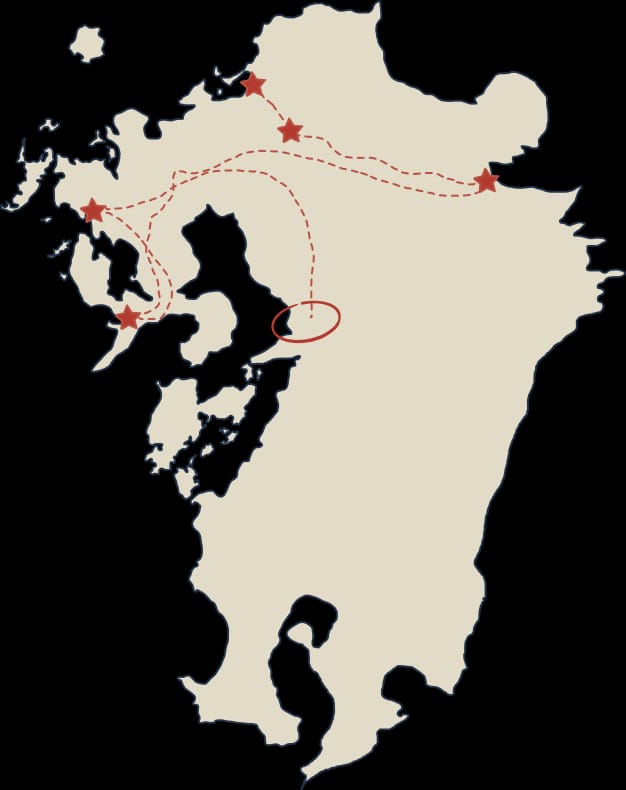
This was around the time when the built-up exhaustion was catching up to me, and it's probably showing in how this post reads from here too — the next couple of stops move faster, with less wandering, because I had less energy left to wander. So I took it slow that morning at least: woke up at a comfortable hour, had coffee, and then checked out of my hotel. The best thing about the Sakura and Midori trains is that you can board any train on the date written on your ticket. After couple of hours, I was in Kumamoto. It was a hot day.
Kumamoto Castle
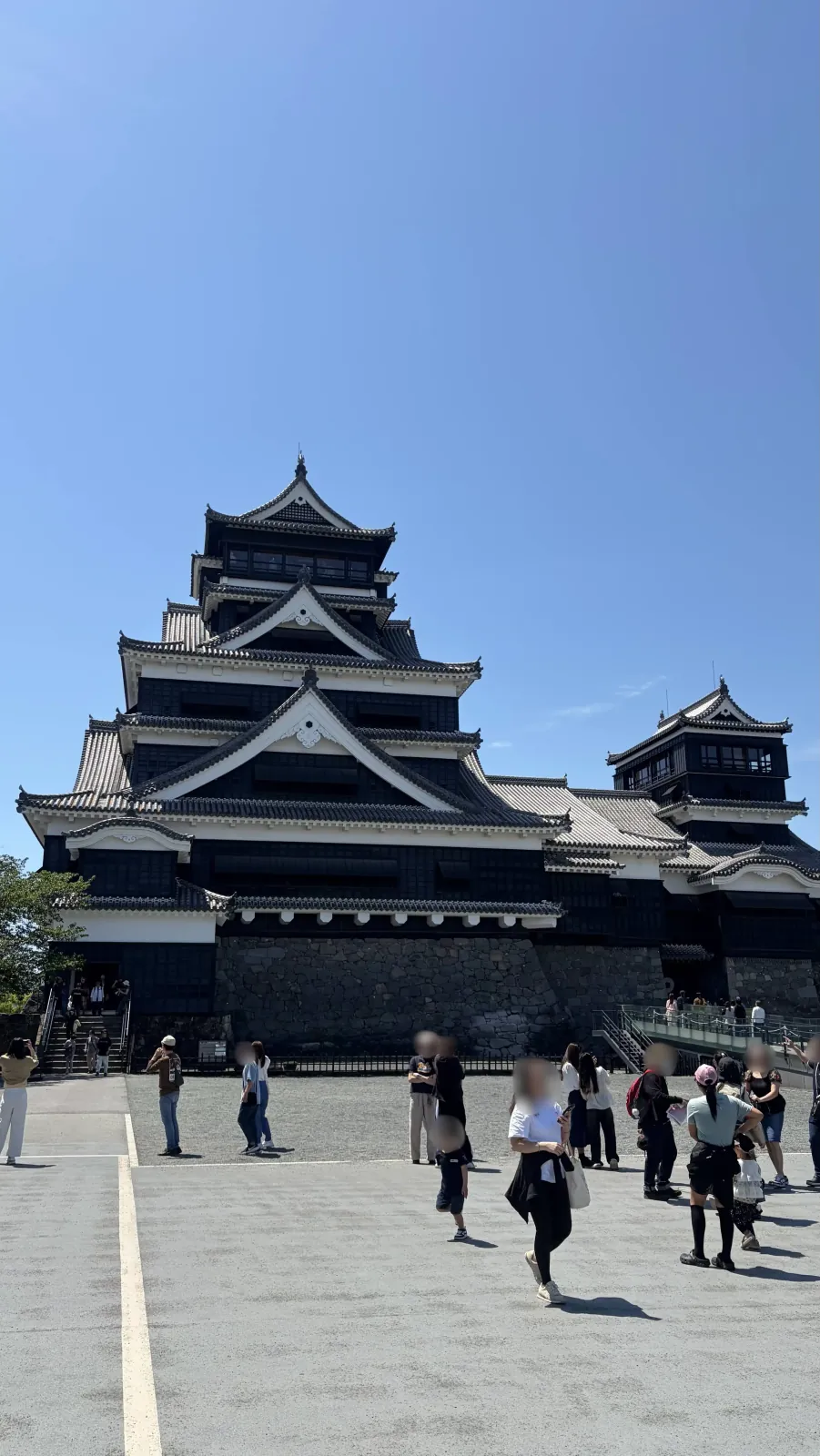
I headed towards the famous Kumamoto Castle. On the way, I saw a few painters painting the nearby scenery, and musicians performing live by the river. Before the main castle grounds, was the area that served as the market near the castle during its time. In present day, it had many shopping and food district. There was also a museum here. I got to eat the Uma-niku curry bread, as Kumamoto is famous for horse meat. There are also some cultural exhibits from time to time, and during my visit, there was a beautiful tradition musical performance.
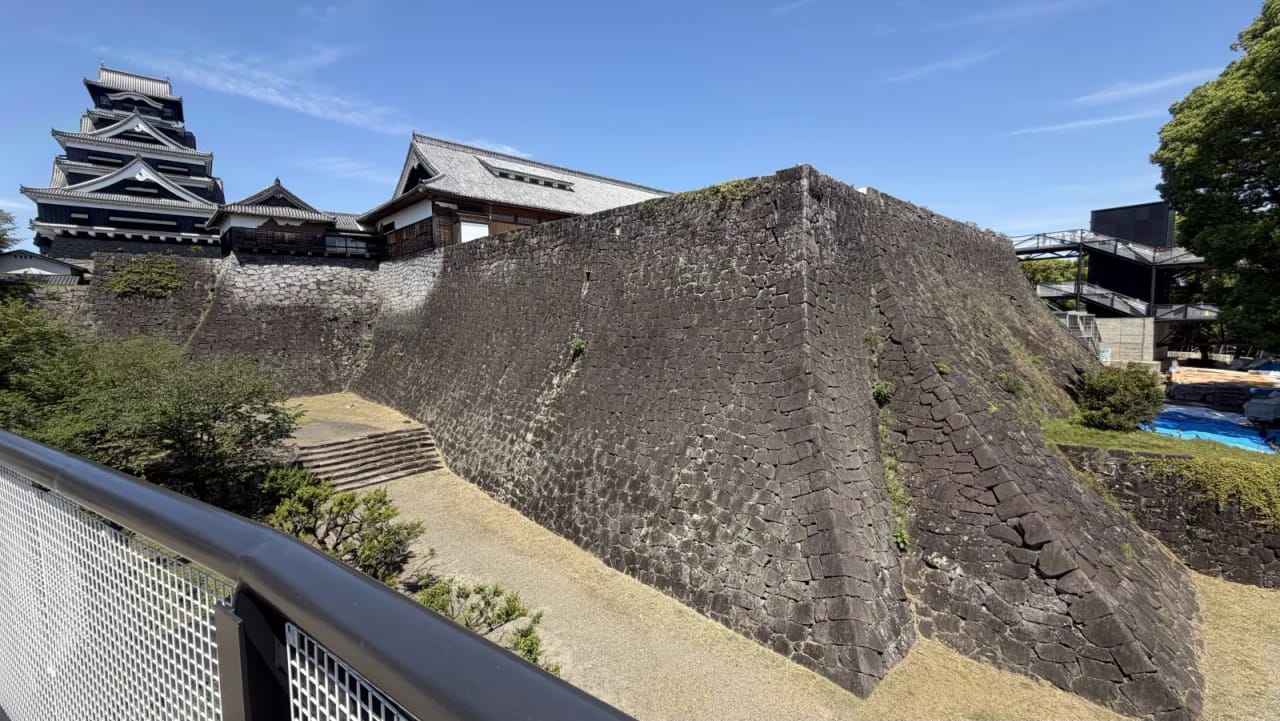
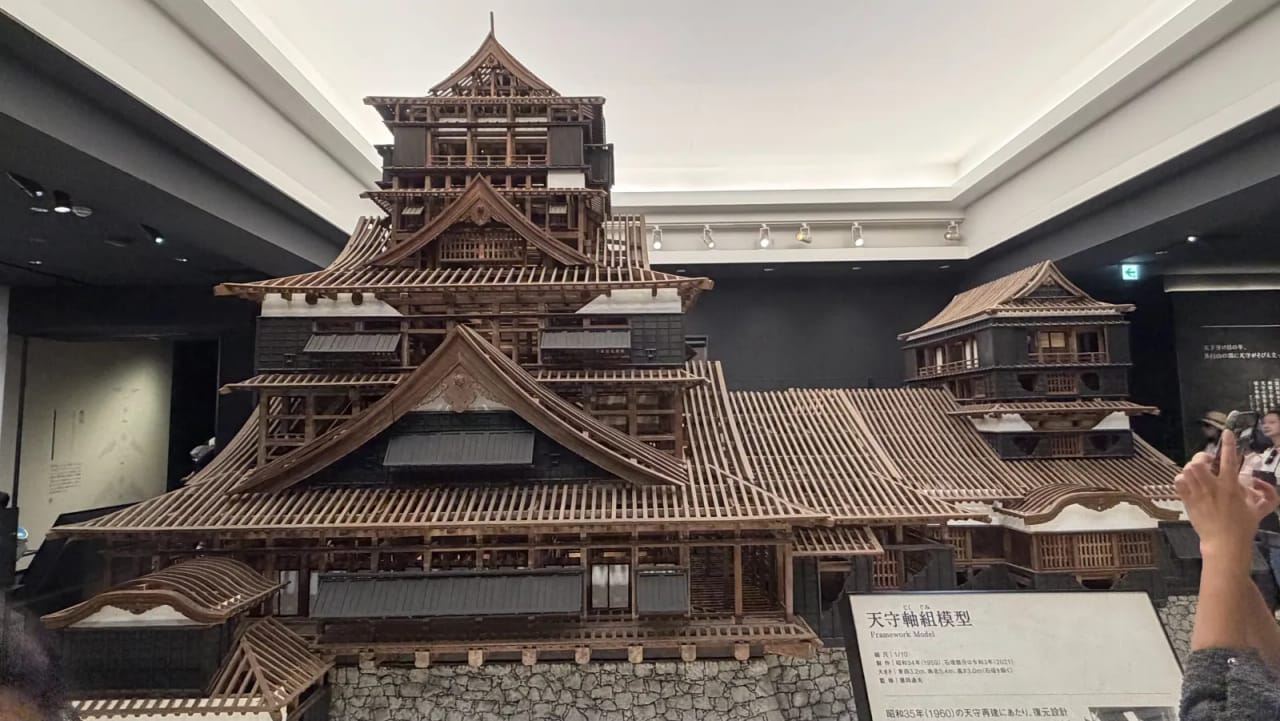
Soon after, I headed to the main castle. The castle was pretty massive, and built in between very high stone walls. It was actively undergoing renovation/reconstruction, so a few places were barricaded. Every exhibit or place of interest there had a QR that could be scanned by the "Kumamoto Castle" app, and there was information about it. Inside I got to see underground passages and a deep well. There was an exact replica of the castle wireframe, with tiny models inside. There were some more models about the interiors of the castle in the past.
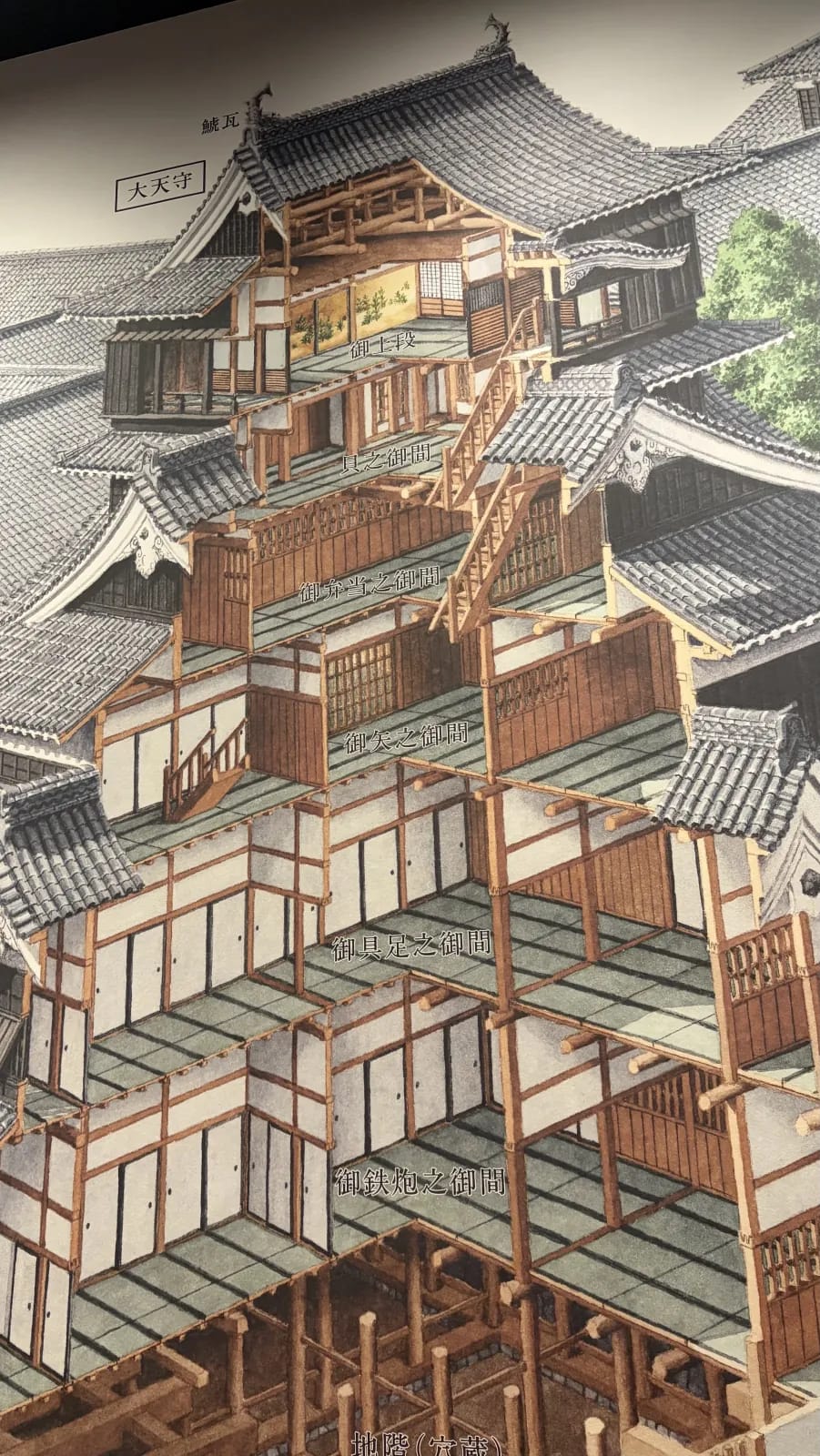
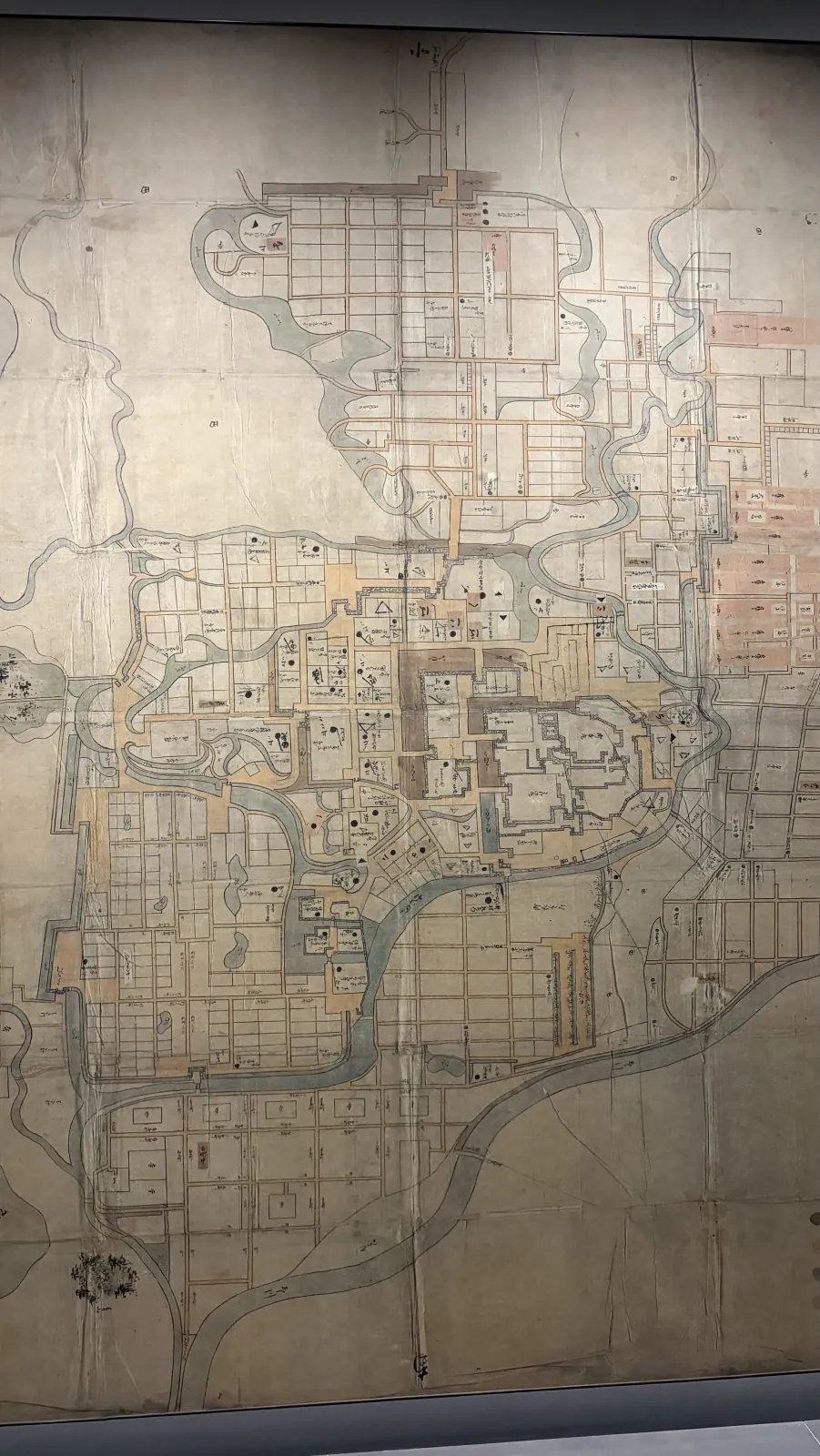
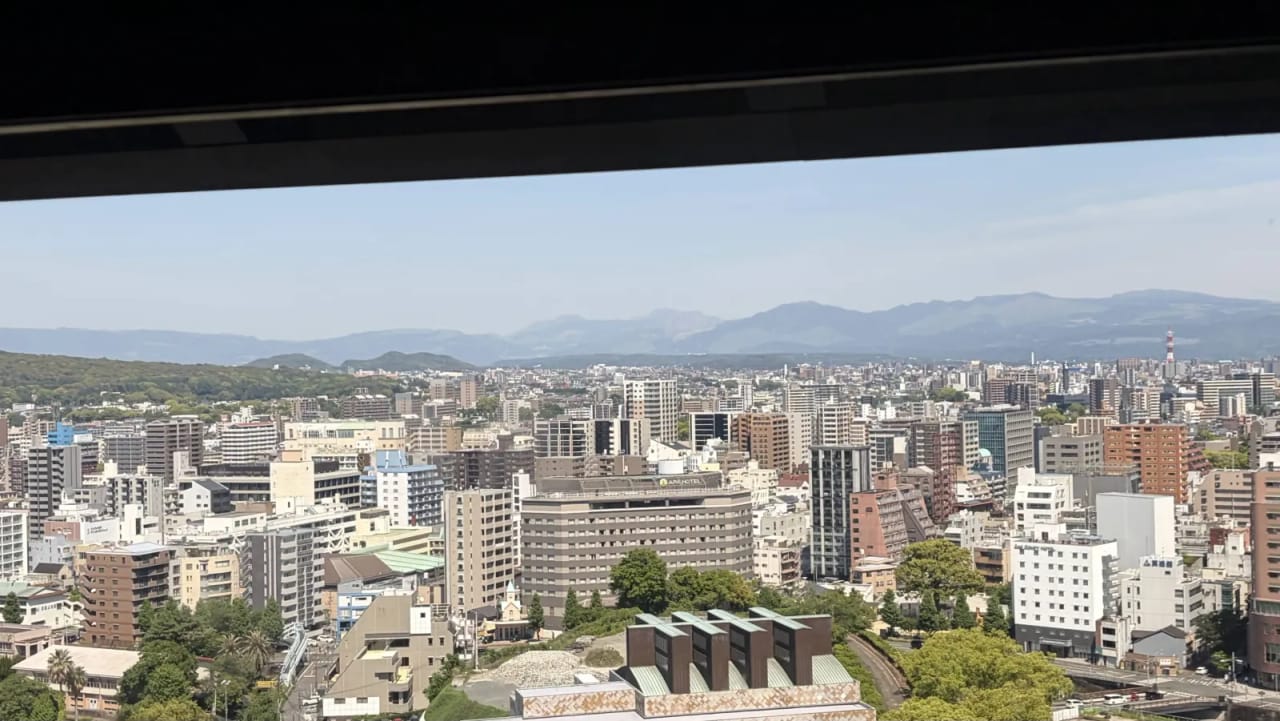
As I moved upwards, there were projections ands exhibits about the history of the castle, the rulers, the battles, etc. I liked the ancient maps the most for some reason. At the top-most accessible floor, was the observation deck. The view from there was amazing, but it was very crowded. The whole castle seemed to be very popular among the Japanese people and history buffs. I came back after a few minutes, but people stayed up and enjoyed the view longer.
Kumamoto has its very own mascot, the famous Kumamon. The museum shop at the end had a lot of Kumamon merch, along with the castle merch. I also had a brief talk with the staff there, who was very welcoming and polite.
TODO:I completely missed Aso due to lack of time. Aso was near Kumamoto, where a huge crater is present. But due to the low frequency of public transport, it would be an issue for me if I was late. So in order to not miss my train, I decided to move it to TODO.
TODO:I am also pretty sure this city has a lot more to offer. So perhaps I will dedicate more time to it than speed-running through the castle in a couple of hours.
Sakurajima
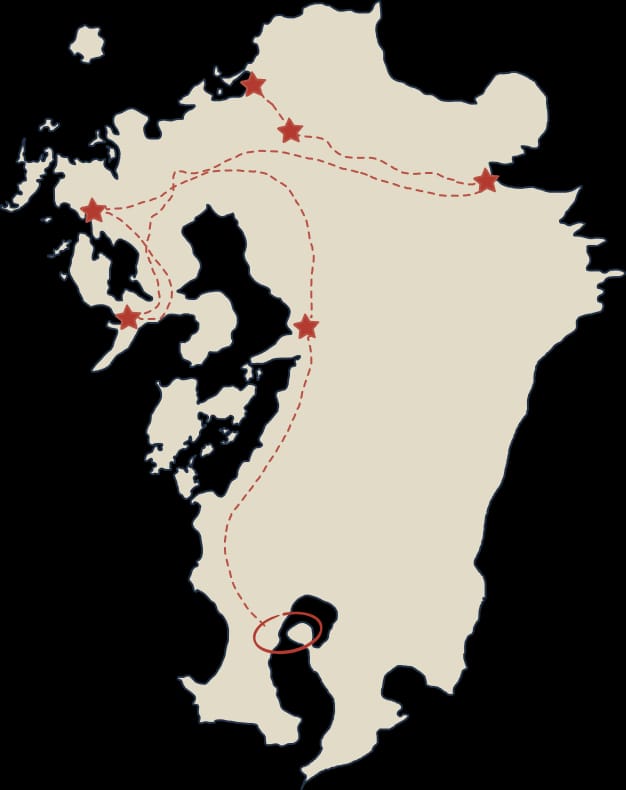
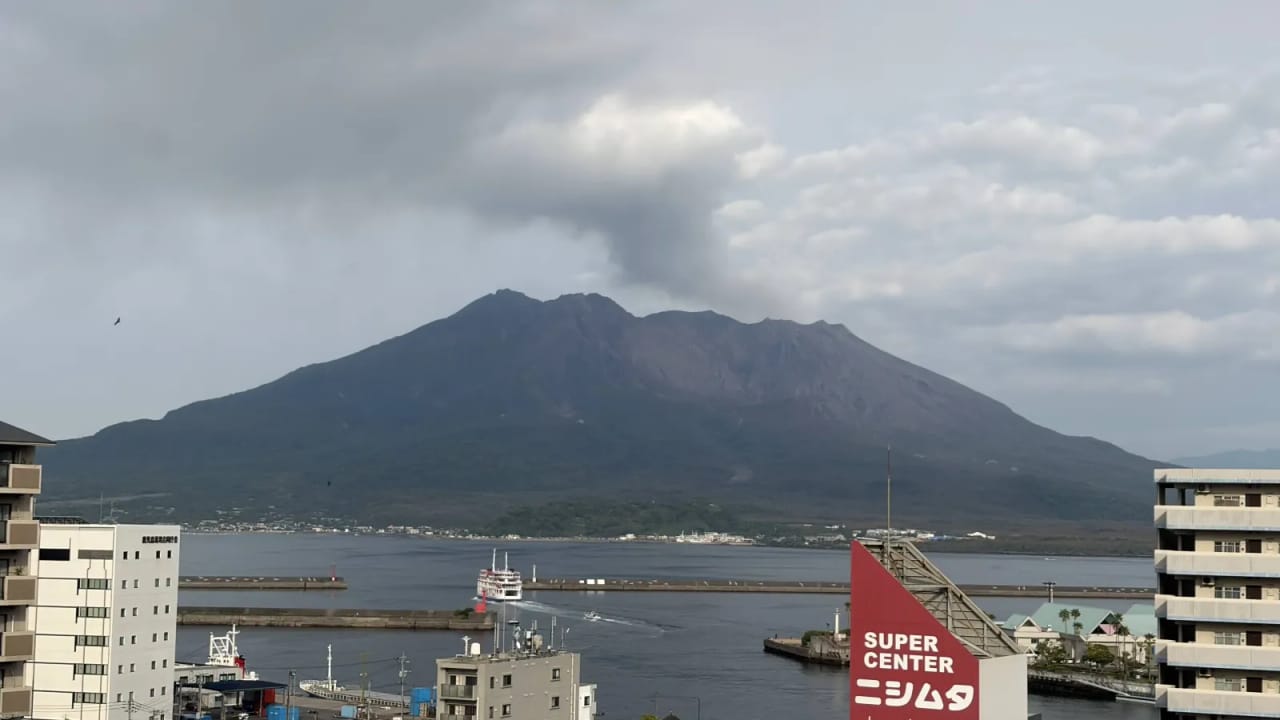
I departed Kumamoto the same day towards Kagoshima. By the time I reached Kagoshima, it was almost 4:30pm. I went straight to my hotel room to check in. When I looked outside my window, there it was. Sakurajima is one of the active volcanoes of Japan, and the first one I had seen. The fumes coming out of it left me dazed for some time.
A ferry goes to the Sakurajima from the port, which was hardly 100 meters from my hotel. The volcanic island has a lot of observation points, walking and cycling paths, bird-watching spots, etc. But the last ferry from Sakurajima back to Kagoshima was at 6, which would have left me around 30 minutes to do all that. Sadly, I had to drop the plan, and just went to a nearby park to admire it from afar.
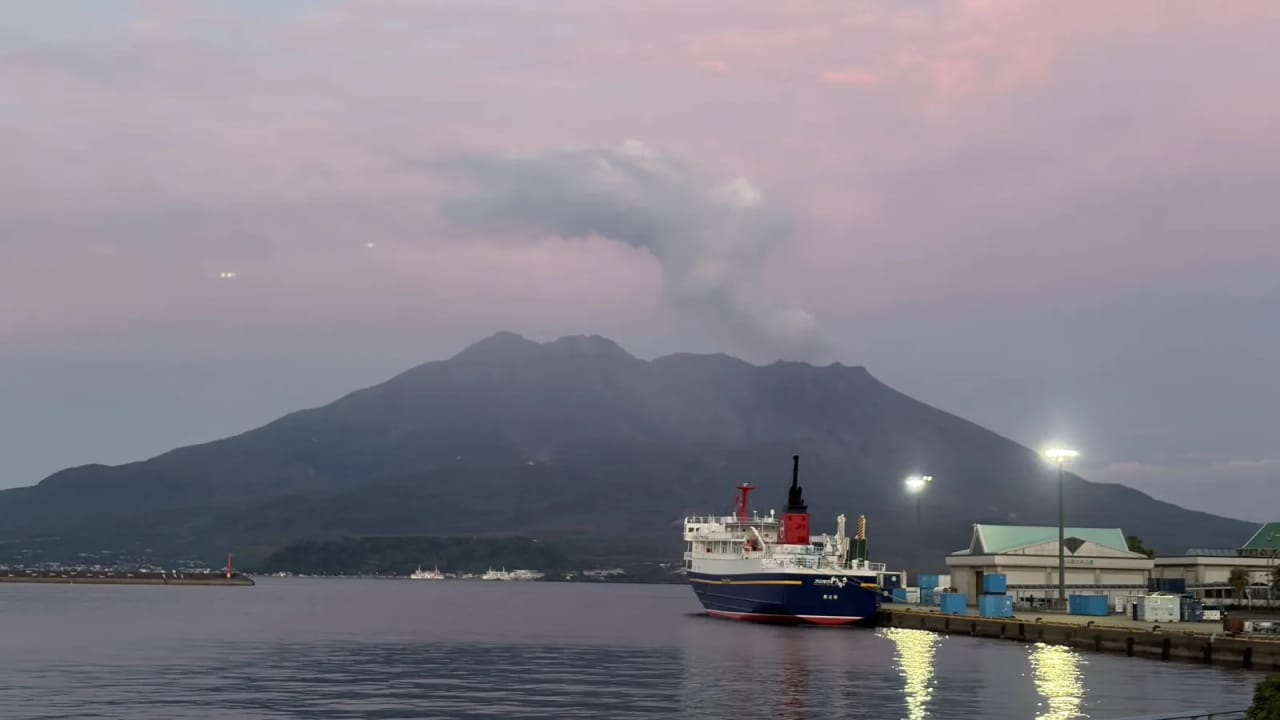
TODO:DEFINITELY.NEXT.TIME
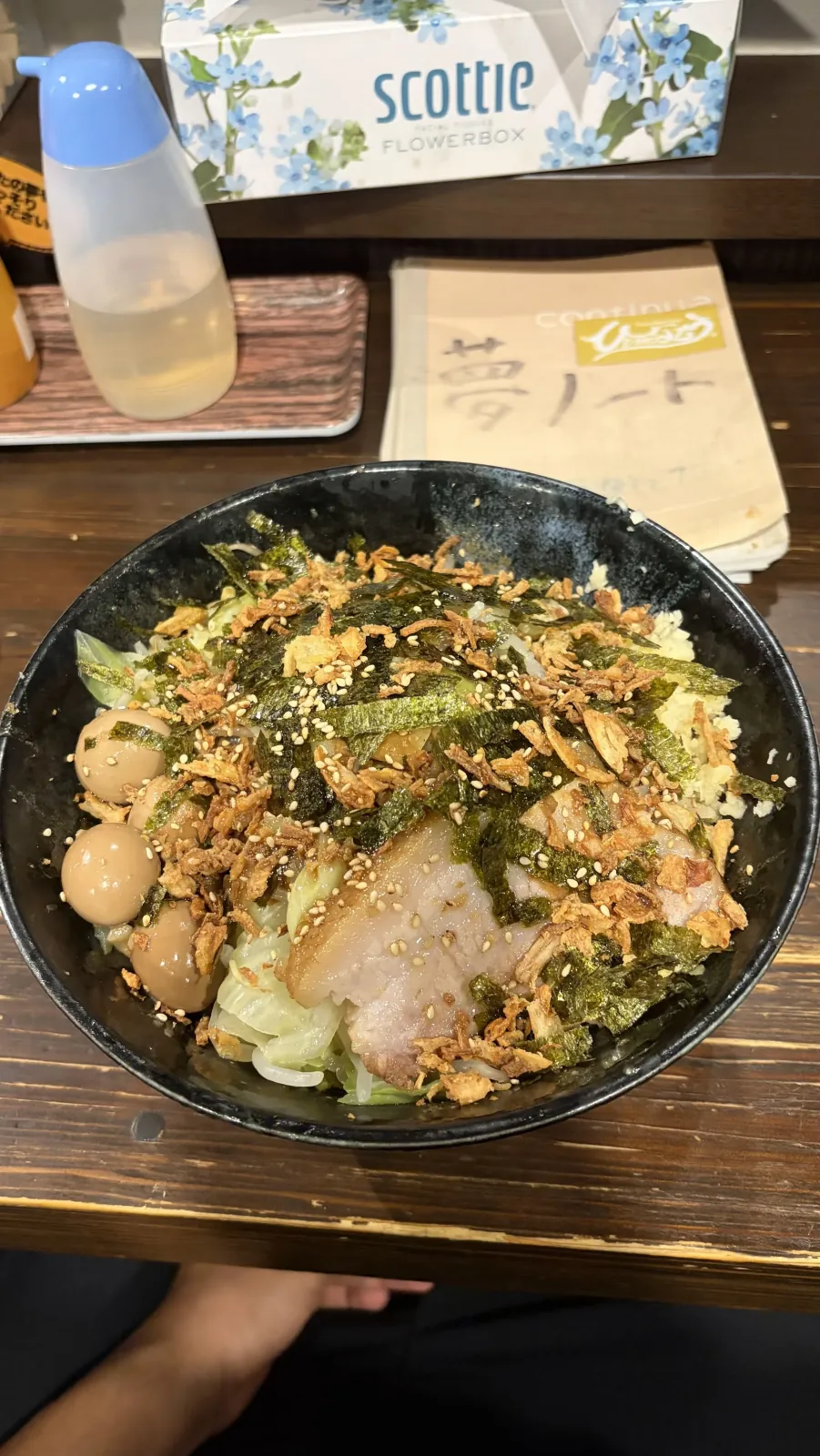
The park was great, quite spacious. Then I decided to head out for dinner. I found a cool Ramen place called Yume wo Katare. Kagoshima is famous for its kurobuta (black pork) and thin soup ramen. I wanted both, but had space for one, so I chose the ramen. The staff was very energetic, and tried their best to talk in English, while I tried my best to talk in Japanese. Sadly the only item on menu was their cold noodles, which I went for. The shop seemed to be a local favorite, as many students, as well as adults were present there. While I waited for my order, I browsed a notebook about "dreams" where the visitors of the shop wrote their dreams. It was really wonderful to read about everything people wished for. Some wished for good grades, some wished for love, while some wished for children. This was one of the times where I regretted not being able to write Japanese. The cold noodles were delicious, and rich. It was a taste I never experienced before, and wish to experience it again.
Hiroshima
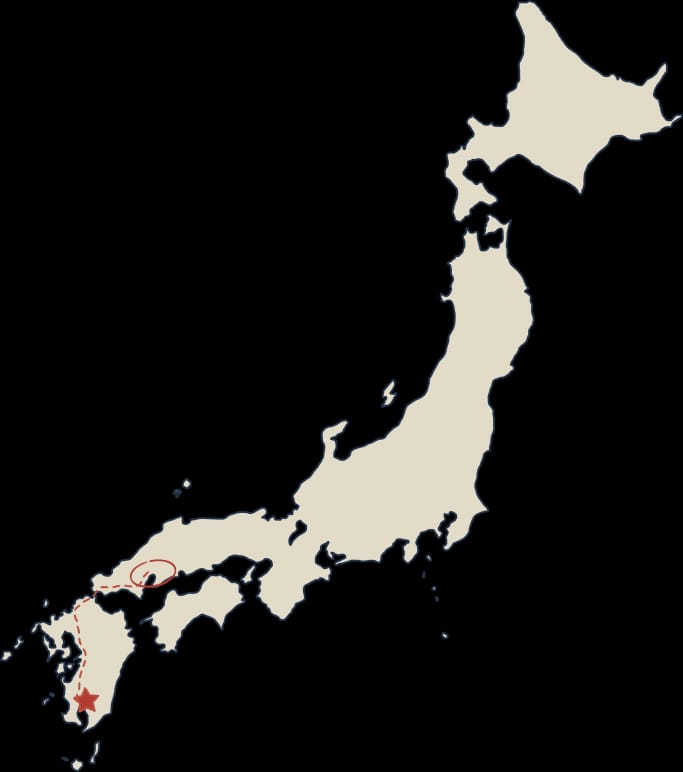
The next day, it was time to head back to Tokyo. But as food is incomplete without dessert, my trip still had a final stop. It's a heavier note to end a mostly lighthearted trip on, but this stop was not in Kyushu at all, it was back in the main island of Honshu. I headed back to Kagoshima station, saying my good byes to Sakurajima. I had the Shinkansen from Kagoshima to Fukuoka/Hakata, and then from there to Hiroshima. I reached Hiroshima at around 2 pm. It wasn't surprising to find it crowded. There was a lot of western crowd here. I kept my luggage in a coin locker, which was also so hard to find as every locker was just occupied. Fortunately a bus ran through the main tourist sites, skipping any stops in between and that is the one I took.
Hiroshima Peace Memorial Museum
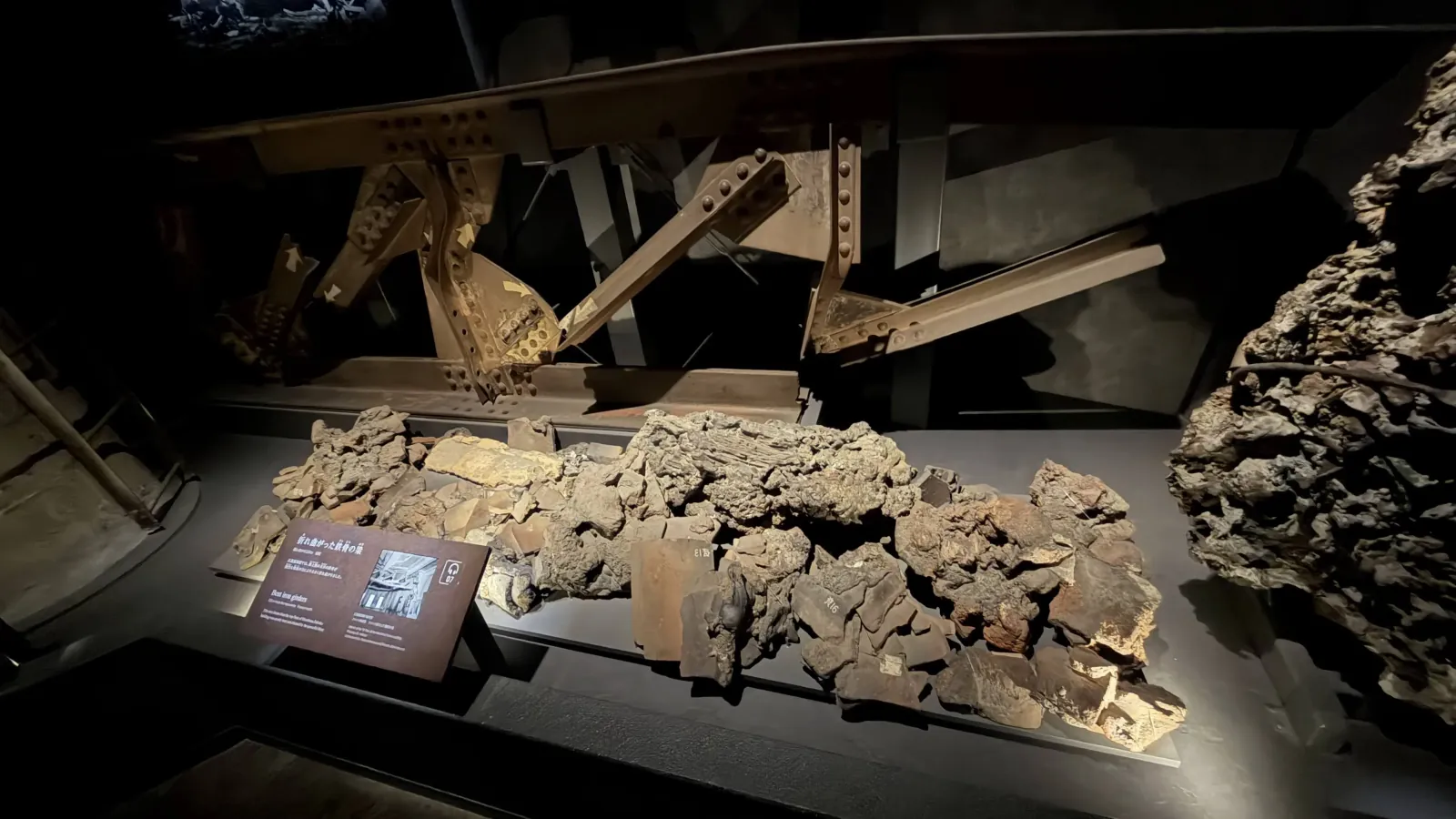
The peace memorial museum is located almost at the hypocenter. Similar to the one in Nagasaki, this also had the remains of infrastructure and victims. It also had the 1-1 replica of the bomb. There were stories of the victims and their families too. The social, emotional, economic, and physical impacts of the explosion were also presented very clearly. Everything was very moving to the core.
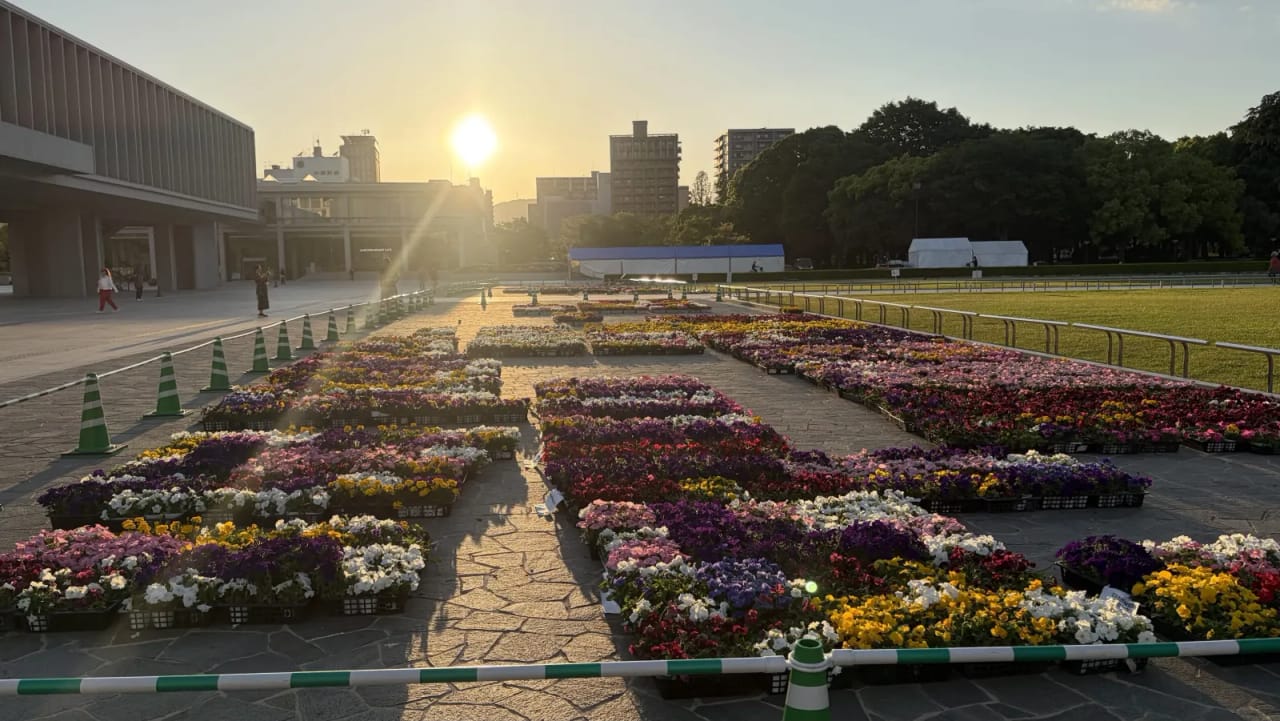
The peace park outside was very spacious, and decorated with beautiful flowers. There were some statues too. There also was an eternal flame dedicated to the victims. It was a bit thought provoking for me how different people perceived it. For the Japanese, it was a place to pray for the souls of the lost, so they lighted incense sticks and folded their hands to pray. For people of other places, it was more of a tourist attraction, and everyone wanted a selfie or a photo with it. Finding myself wanting to do both, was a feeling that was neither of pride nor of shame.
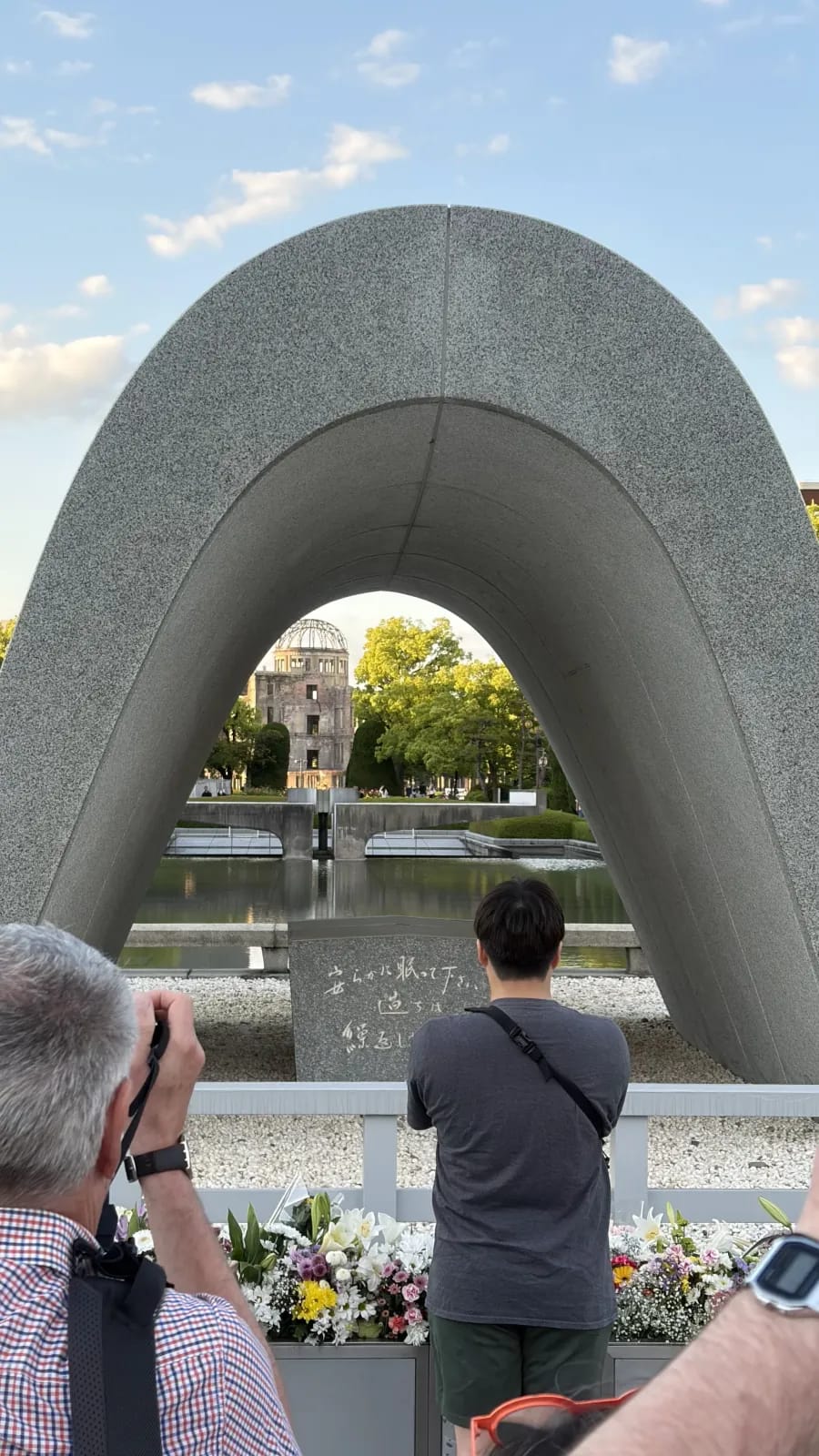
If one continues to walk, they will find the atomic bomb dome, which was the dome that was present during the explosion, and is still standing. I think it kinda reflects the persistence of humans against immense forces. And with that, I returned back to Hiroshima station to come back to Tokyo, marking the end of my trip.
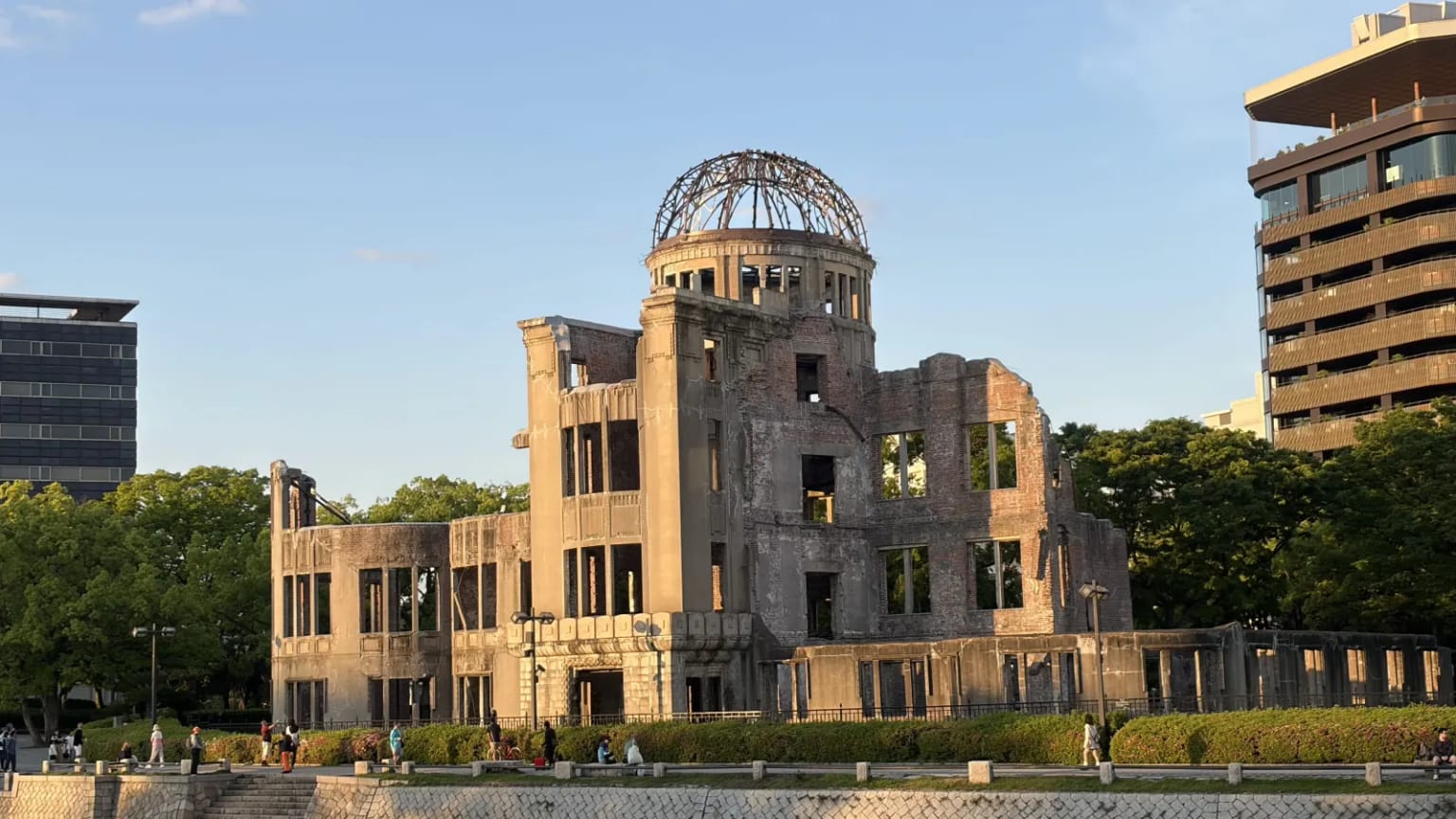
TODO:Summing up Hiroshima in just a couple of hours is totally not fair. There are a lot of other things to see, like the castle, shrines, a beautiful torii gate in the sea, etc. This definitely warrants a follow-up some other time
Final thoughts
I never expected my trip to be such a wonderful experience. I covered a lot of different types of places, ate a lot of different types of food, and got to chat with some lovely people along the way. In no way can I call this a journey of self-exploration or anything so grand, but in my own mind, it was in that league.
One thing I understand I could do better is not rely 100% on an AI agent, and do my own research on some crucial things before finalizing a plan. Also, not planning too much for a single day would be nice to have. Managing exhaustion and syncing my body clock with the world are the things that can make a plan more efficient. For a first solo trip, I would rate my experience and planning a solid 8.5/10.
Kyushu is now among the candidate places I would like to finally settle in. The beauty in its nature, waters, and wonders feels unmatched. In my 8 days, I barely covered it. In addition to the places I already mentioned in the sections above, I wasn't able to visit prefectures like Miyazaki and Saga. Even in the ones I visited, I had to skip places like Aso, Yufu, Hita, Kitakyushu and others. There's a whole part that is accessible by car, which is a lot more lush and beautiful, not to mention all the islands surrounding it. So in no way I can say my Kyushu trip has ended. I can only say that I started a chapter that I would love to see finished.
The end?